✓ Ankle sprains are common injuries, often occurring when the ankle rolls, twists, or turns in an awkward way.
✓ The R.I.C.E. method (Rest, Ice, Compression, Elevation) is crucial for immediate sprain management.
✓ Proper diagnosis by a medical professional is essential to rule out more severe injuries like fractures.
✓ Rehabilitation exercises are vital for restoring strength, flexibility, and balance, preventing future sprains.
How It Works
1
Assess the Injury
Immediately evaluate the severity of pain, swelling, and ability to bear weight. This initial assessment helps determine the urgency of medical care.
2
Apply R.I.C.E. Protocol
Implement Rest, Ice, Compression, and Elevation as soon as possible. This reduces swelling, pain, and helps protect the injured ligaments.
3
Seek Medical Evaluation
Consult a doctor for a proper diagnosis, especially if pain is severe, you cannot bear weight, or swelling is significant. They can confirm it's a sprain and not a fracture.
4
Begin Rehabilitation
Follow a prescribed rehabilitation program focusing on gentle range-of-motion exercises, strengthening, and balance training. This rebuilds ankle stability and prevents recurrence.
Understanding Ankle Sprains and Initial Assessment
Photo: cottonbro studio / Pexels
When you ask yourself "what to do for a sprained ankle," the very first step is to understand what an ankle sprain entails and how to initially assess its severity. An ankle sprain occurs when the strong ligaments that support the ankle stretch beyond their limits or tear. Ligaments are tough, fibrous tissues that connect bones to other bones. Most ankle sprains involve injuries to the ligaments on the outer side of the ankle, known as inversion sprains. Eversion sprains, affecting the inner ankle ligaments, are less common but often more severe. The severity of a sprain is typically graded from 1 to 3:
* **Grade 1 (Mild):** Slight stretching and microscopic tearing of the ligament fibers. You might experience mild tenderness and swelling, but you can usually walk with minimal pain.
* **Grade 2 (Moderate):** Partial tearing of the ligament. There will be noticeable swelling, bruising, and moderate pain. Walking is often painful and difficult, and the joint may feel somewhat unstable.
* **Grade 3 (Severe):** Complete tear of the ligament. This results in significant pain, substantial swelling, and bruising. You likely won't be able to bear weight on the foot, and the ankle will feel very unstable.
Upon injury, your immediate assessment should focus on several key indicators. Did you hear a pop or snap? This sound can sometimes indicate a more severe injury, potentially even a fracture. How quickly did swelling appear? Rapid, significant swelling often points to greater damage. Can you bear any weight on the injured foot? The ability to put even a little weight on the ankle suggests a milder sprain, while complete inability to bear weight is a red flag for a more serious injury, including a possible fracture that requires immediate medical attention. Observe the color of the skin; bruising can develop quickly, indicating internal bleeding. It's crucial to differentiate between a simple sprain and a more severe issue like a fracture, as ankle fracture treatment differs significantly. If you have any doubt about the severity, or if you experience intense pain, significant swelling, or cannot bear weight, it's always best to seek professional medical advice immediately. Early and accurate diagnosis is paramount for effective treatment and preventing long-term complications. Even seemingly minor sprains, if not properly managed, can lead to chronic ankle instability.
Immediate First Aid: The R.I.C.E. Method for Ankle Sprains
Photo: cottonbro studio / Pexels
Once you've made a preliminary assessment, the most critical immediate action for what to do for a sprained ankle is to implement the R.I.C.E. method. This acronym stands for Rest, Ice, Compression, and Elevation, and it's the cornerstone of acute injury management for soft tissue injuries like sprains. Applying R.I.C.E. promptly can significantly reduce pain, swelling, and inflammation, setting the stage for a smoother recovery.
**Rest:** The first step is to cease any activity that caused the injury and avoid putting weight on the affected ankle. Continuing to use an injured ankle can worsen the damage, increase pain, and prolong recovery. For the first 24-48 hours, rest is paramount. Crutches or an assistive device may be necessary to keep weight off the ankle, especially for moderate to severe sprains. Listen to your body; if an activity causes pain, stop.
**Ice:** Apply ice to the injured area as soon as possible. Cold therapy helps constrict blood vessels, reducing blood flow to the area, which in turn minimizes swelling and numbs the pain. Use an ice pack, a bag of frozen vegetables, or crushed ice wrapped in a thin towel to prevent direct skin contact, which can cause frostbite. Apply ice for 15-20 minutes at a time, every 2-3 hours, for the first 24-72 hours post-injury. Do not apply ice for longer periods or directly to the skin.
**Compression:** Compression helps to control swelling by preventing fluid buildup in the injured tissues. Use an elastic bandage (like an ACE wrap) and wrap it firmly but not too tightly around the ankle, starting from the toes and moving up towards the calf. Ensure the wrap is snug enough to provide support but not so tight that it causes numbness, tingling, increased pain, or discoloration of the toes. You should be able to comfortably slide a finger under the wrap. Remove the bandage before sleeping unless otherwise advised by a medical professional.
**Elevation:** Elevate the injured ankle above the level of your heart. This uses gravity to help drain excess fluid away from the injured area, further reducing swelling and throbbing pain. When lying down, prop your foot up on pillows. When sitting, use a footstool or stack of cushions. Try to keep the ankle elevated as much as possible, especially during the first 24-48 hours. Consistent elevation, combined with rest, ice, and compression, provides a powerful defense against excessive inflammation and pain, paving the way for the next stages of healing.
When to Seek Professional Medical Help and Diagnosis
Photo: Tima Miroshnichenko / Pexels
While the R.I.C.E. method is an excellent first response, knowing when to seek professional medical help is crucial for what to do for a sprained ankle. Not all ankle injuries are simple sprains, and misdiagnosis or inadequate treatment can lead to long-term complications such as chronic pain, instability, or recurrent sprains. It's imperative to consult a doctor if you experience any of the following:
* **Inability to bear weight:** If you cannot put any weight on your injured ankle immediately after the injury or after a few hours, it's a strong indicator of a more severe injury, possibly a fracture, and warrants immediate medical attention.
* **Severe pain:** Excruciating pain that doesn't subside with R.I.C.E. or over-the-counter pain relievers suggests a significant injury.
* **Significant swelling and bruising:** While some swelling and bruising are normal, rapid and extensive swelling or bruising that spreads beyond the ankle itself can indicate more serious damage.
* **Deformity:** Any visible deformity of the ankle joint or foot requires urgent medical evaluation.
* **Numbness or tingling:** These sensations could indicate nerve damage, which needs professional assessment.
* **No improvement after a few days:** If your symptoms don't start to improve within 2-3 days of consistent R.I.C.E. treatment, it's time to see a doctor.
* **Previous ankle injuries:** If you have a history of recurrent ankle sprains or chronic ankle instability, it's wise to get any new injury checked to prevent further damage.
During your medical visit, the doctor will perform a thorough physical examination, assessing your range of motion, stability, and tenderness points. They will likely use the Ottawa Ankle Rules, a set of guidelines to determine if X-rays are necessary. X-rays are crucial for ruling out fractures, as the symptoms of a severe sprain can closely mimic those of a broken bone. In some cases, if a fracture is suspected or if symptoms are atypical, further imaging like an MRI might be ordered to visualize soft tissues (ligaments, tendons, cartilage) more clearly. This is especially important for diagnosing high ankle sprains, which involve different ligaments and often require a longer recovery period. A proper diagnosis from a healthcare professional will guide your treatment plan, which may include bracing, physical therapy, or in rare cases, surgery. Adhering to their recommendations is key for a full and successful recovery.
Rehabilitation, Strengthening, and Preventing Recurrence
Photo: Towfiqu barbhuiya / Pexels
Once the initial acute phase of pain and swelling has subsided, the focus shifts to comprehensive rehabilitation. This is a critical component of what to do for a sprained ankle to ensure a full recovery and, perhaps more importantly, to prevent future re-injuries. Many people make the mistake of stopping rehabilitation once the pain disappears, but this often leaves the ankle vulnerable. A structured rehabilitation program, often guided by a physical therapist, aims to restore full range of motion, strength, proprioception (the body's sense of its position in space), and balance.
**Phased Rehabilitation:**
1. **Phase 1: Early Motion and Pain Control (Days 1-7, often overlapping with R.I.C.E.):** This phase focuses on reducing pain and swelling, protecting the injured ligaments, and gently restoring initial range of motion. Exercises might include:
* **Ankle Alphabet:** Gently moving your foot to 'draw' the letters of the alphabet in the air. This promotes non-weight-bearing motion.
* **Towel Stretches:** Sitting with your leg extended, loop a towel around the ball of your foot and gently pull your toes towards you to stretch the calf and Achilles tendon.
* **Weight-Bearing as Tolerated:** Gradually putting more weight on the ankle, initially with support if needed.
2. **Phase 2: Strengthening and Proprioception (Weeks 1-4, depending on severity):** Once pain and swelling are managed, the goal is to rebuild muscle strength around the ankle and improve balance. Examples include:
* **Resistance Band Exercises:** Using a resistance band to perform dorsiflexion, plantarflexion, inversion, and eversion exercises.
* **Calf Raises:** Standing on both feet, then progressing to single-leg calf raises.
* **Balance Board/Wobble Board:** Standing on an unstable surface to challenge and improve proprioception and ankle stability. Start with two feet, then progress to one foot.
* **Single-Leg Stance:** Standing on the injured leg for increasing durations, initially with support.
3. **Phase 3: Return to Activity (Weeks 4+, highly variable):** This phase focuses on sports-specific or activity-specific training, gradually introducing more dynamic movements, cutting, jumping, and running, as appropriate. It's crucial to progress slowly and listen to your body, avoiding any activities that cause pain. Ankle braces or taping may be recommended for support during this phase and when returning to sports.
**Preventing Recurrence:** The best way to prevent future ankle sprains is consistent adherence to your rehabilitation program and incorporating ankle-strengthening exercises into your regular routine. Wearing appropriate footwear, warming up properly before exercise, and being mindful of uneven surfaces are also vital. For individuals involved in sports, prophylactic bracing or taping can provide additional support and proprioceptive feedback, reducing the risk of re-injury. Remember, a fully recovered ankle is a strong and stable ankle, capable of supporting your activities without fear of another sprain.
Comparison
Feature
Mild Sprain (Grade 1)
Moderate Sprain (Grade 2)
Severe Sprain (Grade 3)
Pain Level
Mild
Moderate
Severe
Swelling
Slight
Noticeable
Significant
Bruising
Minimal/None
Present
Extensive
Weight Bearing
Possible with mild pain
Painful & difficult
Impossible/Extreme Pain
Ligament Damage
Stretched, microscopic tears
Partial tearing
Complete tear
Ankle Instability
None/Minimal
Mild to moderate
Significant
Recovery Time
2-4 weeks
4-8 weeks
8-12+ weeks, possibly surgery
What Readers Say
★★★★★
"After I rolled my ankle playing soccer, I immediately looked up what to do for a sprained ankle. Following the R.I.C.E. method and seeking a doctor's advice truly made a difference in my recovery. I was back on the field sooner than I expected."
Sarah J. · Austin, TX
★★★★★
"This guide was incredibly helpful when I twisted my ankle hiking. The clear steps on immediate care and when to see a doctor gave me peace of mind. The rehabilitation exercises were key to regaining my strength."
Mark D. · Miami, FL
★★★★★
"I used to just 'walk off' ankle sprains, but after reading this, I took my latest injury seriously. The detailed rehab section helped me strengthen my ankle properly, and I haven't had a recurrence since."
Emily R. · Denver, CO
★★★★★
"The R.I.C.E. instructions were spot-on and helped with the initial pain. While I still needed physical therapy, this article provided a great foundation for understanding my injury and what steps to take next. Very informative."
David L. · Seattle, WA
★★★★★
"As a runner, ankle health is paramount. This resource on what to do for a sprained ankle guided me through a swift and effective recovery from a nasty trail run incident. The emphasis on long-term prevention was particularly valuable."
Jessica M. · Chicago, IL
Frequently Asked Questions
How long does it take for a sprained ankle to heal?
The healing time for a sprained ankle varies greatly depending on its severity. A mild (Grade 1) sprain might heal in 2-4 weeks, a moderate (Grade 2) sprain in 4-8 weeks, and a severe (Grade 3) sprain can take 8-12 weeks or even longer, especially if surgery or extensive physical therapy is required. It's crucial to follow medical advice and not rush the recovery process to prevent re-injury.
Can I walk on a sprained ankle?
For a mild sprain, you might be able to walk with some discomfort, but it's generally advised to limit weight-bearing in the initial 24-48 hours to prevent further damage. For moderate or severe sprains, walking can be very painful or impossible, and you should use crutches or other assistive devices. Always prioritize rest and avoid activities that increase pain or swelling.
How do I know if my ankle is sprained or broken?
It can be difficult to tell the difference between a severe sprain and a fracture without medical imaging. Key indicators for a possible fracture include an inability to bear any weight on the foot, severe pain, noticeable deformity, or numbness/tingling. If you experience these symptoms, seek immediate medical attention for an X-ray to get a definitive diagnosis.
What is the cost of treating a sprained ankle?
The cost of treating a sprained ankle can vary widely. Simple, mild sprains treated with R.I.C.E. and over-the-counter pain relievers might only incur the cost of supplies (under $50). Moderate to severe sprains requiring doctor visits, X-rays, braces, and physical therapy could range from a few hundred to several thousand dollars, depending on insurance coverage, location, and the extent of treatment needed.
Is an ankle brace better than taping for a sprained ankle?
Both ankle braces and taping offer support and stability for a sprained ankle. Braces are often easier to apply, reusable, and can provide more consistent support for longer periods. Taping, while effective, requires specific application techniques and can lose effectiveness over time. The best choice depends on the individual's injury, activity level, and preference, often guided by a physical therapist or doctor.
Who should see a doctor for a sprained ankle?
Anyone experiencing severe pain, inability to bear weight, significant swelling or bruising, numbness, or any visible deformity should see a doctor immediately. Additionally, if symptoms do not improve within a few days of R.I.C.E. treatment, or if you have a history of recurrent ankle sprains, a medical evaluation is highly recommended to ensure proper healing and prevent chronic issues.
Are there any risks if I don't treat a sprained ankle properly?
Yes, improper treatment of a sprained ankle can lead to significant long-term problems. These include chronic ankle instability (feeling like your ankle frequently 'gives out'), persistent pain, recurrent sprains, development of arthritis in the ankle joint, and reduced athletic performance or ability to perform daily activities. Following a full rehabilitation program is crucial to mitigate these risks.
What are new advancements in sprained ankle treatment?
Recent advancements in sprained ankle treatment include improved diagnostic imaging (e.g., dynamic ultrasound to assess ligament laxity), biomechanical analysis to identify gait abnormalities contributing to sprains, and advanced rehabilitation techniques incorporating virtual reality for balance training. Biologic treatments like PRP (Platelet-Rich Plasma) injections are also being explored for severe ligament tears, though more research is needed.
Don't let an ankle sprain sideline you indefinitely. By understanding what to do for a sprained ankle, from immediate R.I.C.E. application to thorough rehabilitation, you can ensure a complete and lasting recovery. Take proactive steps to protect your ankle health and return to your activities with confidence.

 Photo: cottonbro studio / Pexels
 Photo: Tima Miroshnichenko / Pexels
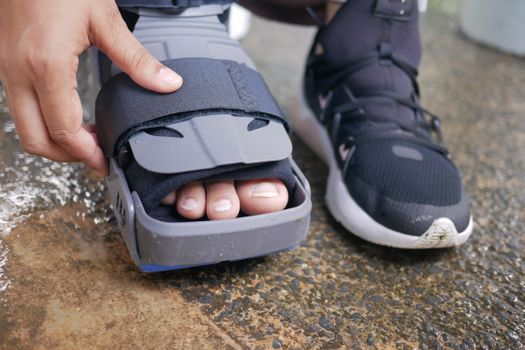 Photo: Towfiqu barbhuiya / Pexels