What Is Telemedicine Used For? Your Digital Healthcare Guide

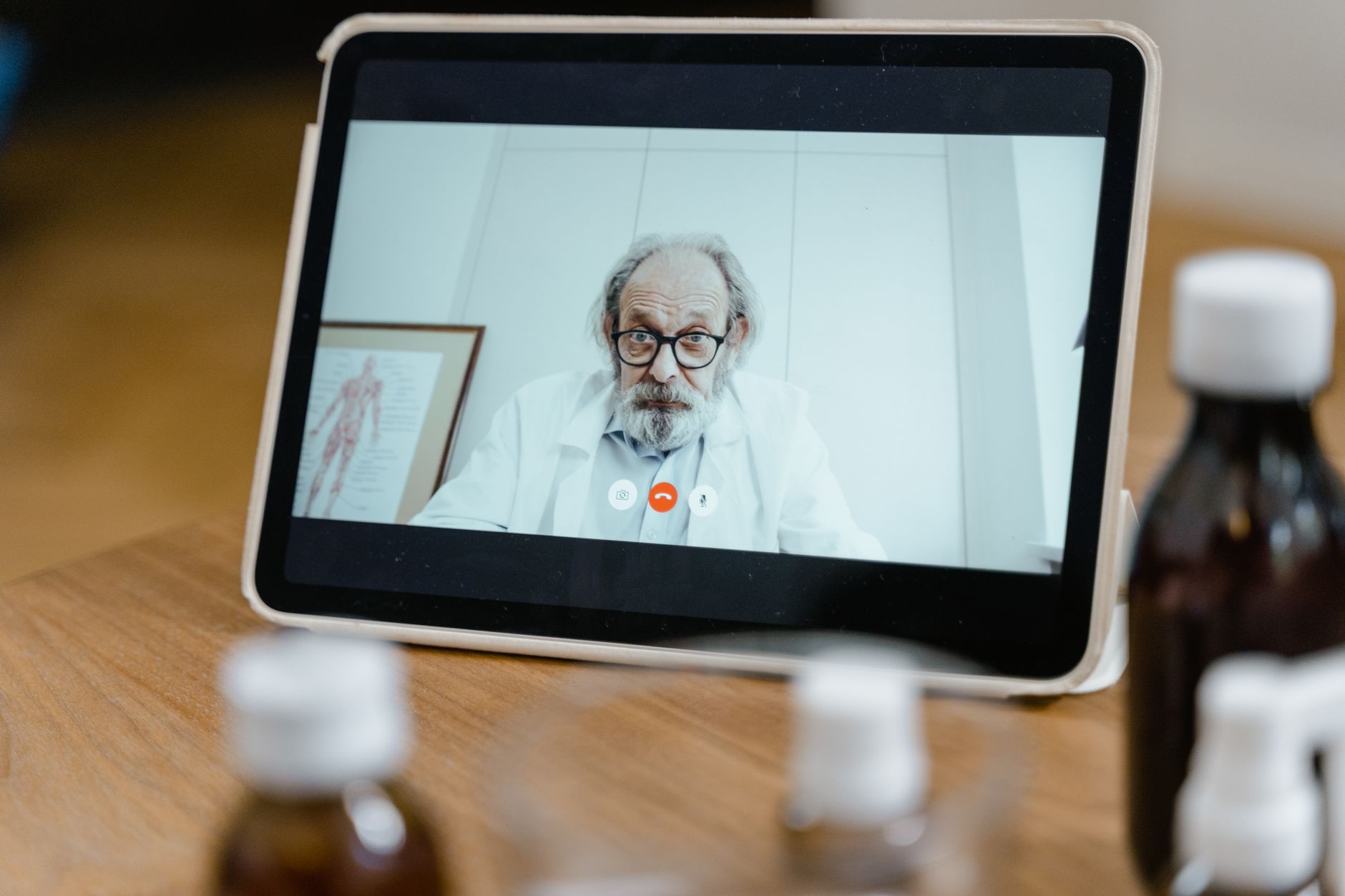
Elderly male doctor in white coat on a digital tablet screen during a virtual medical consultation.Photo: Tima Miroshnichenko / Pexels

What Is Telemedicine Used For? Your Digital Healthcare Guide

Unlock the power of virtual care, bringing expert medical consultations and support directly to you, wherever you are.

Explore Virtual Care

Key Takeaways

  • ✓ Telemedicine encompasses a wide range of services, from video consultations to remote monitoring.
  • ✓ It significantly improves access to specialists, especially in rural or underserved areas.
  • ✓ Common uses include managing chronic conditions, addressing acute illnesses, and mental health support.
  • ✓ Many insurance plans now cover telemedicine, making it an affordable option for many.

How It Works

1
Schedule Your Appointment

Choose a healthcare provider and book a virtual appointment online or via phone. You'll typically receive instructions on how to connect.

2
Connect Virtually

At your scheduled time, log into a secure platform via computer, tablet, or smartphone. You'll then connect with your doctor through video, phone, or chat.

3
Receive Care & Diagnosis

During the consultation, discuss your symptoms, medical history, and concerns with the provider. They will offer a diagnosis, treatment plan, or prescription if necessary.

4
Follow-Up & Next Steps

Your doctor may schedule follow-up virtual visits, order lab tests, or refer you to an in-person specialist. Your medical records are updated securely.

Understanding the Scope of Telehealth Services
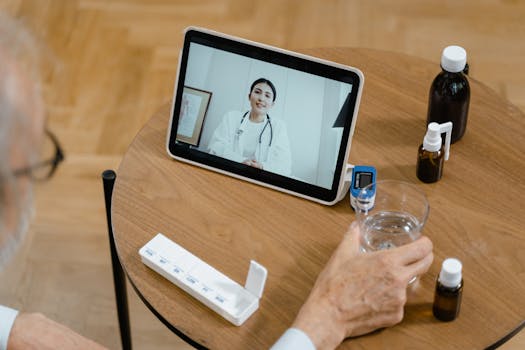
Senior adult having a virtual doctor consultation on a tablet with medications on the table.Photo: Tima Miroshnichenko / Pexels
Telemedicine, often used interchangeably with telehealth, represents a revolutionary shift in how healthcare is delivered, leveraging digital information and communication technologies to access healthcare services remotely and manage your health care. Far from being a niche offering, its scope has expanded dramatically, transforming into a comprehensive ecosystem of services that address a vast array of medical needs. When asking "what is telemedicine used for," it’s essential to understand that it extends beyond simple video calls. It encompasses a broad spectrum of applications, from routine check-ups and urgent care consultations to specialized medical and mental health support, making healthcare more accessible and convenient than ever before. At its core, telemedicine facilitates communication between patients and healthcare providers without the need for a physical visit. This can take many forms: live video conferencing for real-time interaction, 'store-and-forward' where medical data (like images or lab results) is sent for review by a specialist at a later time, and remote patient monitoring (RPM) which involves collecting personal health and medical data from an individual in one location and electronically transmitting that data to a provider in a different location for review. Each of these modalities plays a crucial role in expanding access to care, reducing wait times, and lowering healthcare costs for both patients and providers. One of the most significant benefits of telemedicine is its ability to bridge geographical gaps, particularly for individuals living in rural or underserved areas where access to medical specialists is limited. Patients can consult with top experts without traveling long distances, saving time, money, and reducing the stress associated with travel. This democratizes healthcare access, ensuring that quality care is not solely dependent on one's proximity to a major medical center. For example, a patient in a remote part of Montana can receive a consultation from a neurologist based in New York City, a scenario that would have been logistically challenging and prohibitively expensive just a few decades ago. The integration of telemedicine into primary care also allows for continuous care, enabling patients to maintain a consistent relationship with their doctors, which is vital for preventative health and chronic disease management. The advent of virtual urgent care has further cemented telemedicine's role in providing immediate, non-emergency medical attention, diverting many patients from overcrowded emergency rooms and offering a more efficient alternative for common ailments.

Common Conditions and Treatments Through Online Doctor Visits

Senior adult having a virtual doctor consultation on a tablet with medications on the table.Photo: Tima Miroshnichenko / Pexels
Delving deeper into "what is telemedicine used for," we find that online doctor visits have become incredibly versatile, capable of addressing a wide range of common conditions and offering effective treatment plans. This isn't just for minor ailments; it extends to managing chronic diseases, providing mental health support, and even offering preventative care. The convenience factor is immense, allowing patients to consult with healthcare professionals from the comfort of their home or office, eliminating travel time, parking hassles, and exposure to other sick individuals in waiting rooms. For acute, non-emergency conditions, telemedicine is particularly effective. Common colds, flu, allergies, sinus infections, urinary tract infections (UTIs), rashes, pink eye, and even minor sprains or strains can often be diagnosed and treated virtually. A doctor can assess symptoms through video, ask pertinent questions, and prescribe necessary medications directly to your pharmacy. This rapid response is invaluable for patients who need quick relief without the logistical burden of an in-person visit. Imagine waking up with a sore throat; instead of rearranging your day for an appointment, you can connect with a doctor during your lunch break and have a prescription sent within hours. Beyond immediate care, telemedicine plays a crucial role in chronic disease management. Patients with conditions such as diabetes, hypertension, asthma, and chronic pain often require regular check-ups, medication adjustments, and lifestyle counseling. Virtual visits allow these patients to maintain consistent contact with their care teams, monitor their progress, and discuss any concerns without frequent trips to the clinic. This continuity of care is vital for preventing complications and improving long-term health outcomes. Remote patient monitoring devices can even transmit vital signs directly to providers, allowing for proactive adjustments to treatment plans based on real-time data. This proactive approach helps patients stay on track with their health goals and reduces the likelihood of acute exacerbations. Furthermore, mental health services have seen a massive expansion through telemedicine. Therapy, counseling, psychiatric evaluations, and medication management for conditions like anxiety, depression, PTSD, and ADHD are widely available virtually. Many individuals find virtual mental health sessions to be more comfortable and less intimidating than in-person visits, fostering a greater willingness to seek and continue treatment. The ability to connect with a therapist from a private space can significantly reduce barriers to access, especially for those with social anxiety or mobility issues. This integration of mental and physical health services through a virtual platform represents a holistic approach to patient well-being, acknowledging the interconnectedness of mind and body.

Specialized Telemedicine Applications and Future Trends

Senior adult having a virtual doctor consultation on a tablet with medications on the table.Photo: Tima Miroshnichenko / Pexels
The question of "what is telemedicine used for" continues to evolve as technology advances and healthcare needs shift. Beyond the common applications, telemedicine is increasingly being utilized for specialized medical applications, pushing the boundaries of remote care and promising even greater accessibility and efficiency in the future. These specialized uses often involve more complex diagnostic and management strategies, demonstrating the robust capabilities of virtual healthcare platforms. One significant area of growth is tele-dermatology, where patients can send images of skin conditions to dermatologists for review and diagnosis. This is particularly beneficial for conditions requiring visual assessment, allowing specialists to provide expert opinions without an in-person consultation. Similarly, tele-radiology involves transmitting medical images (like X-rays, MRIs, and CT scans) to radiologists for interpretation, often across different geographical locations, ensuring that expert analysis is available even in facilities without on-site specialists. Tele-ophthalmology allows for remote screening and monitoring of eye conditions, especially important for managing diseases like diabetic retinopathy, which can lead to blindness if not caught early. These applications highlight how specific medical specialties can leverage digital tools to enhance diagnostic accuracy and expand patient reach. Another innovative application is tele-rehabilitation, enabling physical and occupational therapists to guide patients through exercises and recovery programs remotely. This is invaluable for patients recovering from surgery, injury, or stroke who may have difficulty traveling to a clinic. Through video calls, therapists can observe movements, provide real-time feedback, and adjust exercise plans, ensuring continuity of care and promoting adherence to recovery protocols. This personalized, remote guidance can significantly improve patient outcomes and reduce the burden of frequent in-person appointments. Looking to the future, telemedicine is poised for even greater integration with emerging technologies. Artificial intelligence (AI) and machine learning (ML) are being explored to assist with diagnostics, predict disease progression, and personalize treatment plans, further enhancing the capabilities of virtual care. Wearable technology and advanced remote patient monitoring devices will become even more sophisticated, providing continuous, real-time data to healthcare providers, enabling proactive interventions and preventing acute health crises. The expansion of 5G networks promises faster, more reliable connections, facilitating even higher-quality video consultations and enabling more complex remote procedures. Furthermore, virtual reality (VR) and augmented reality (AR) are being investigated for applications in remote surgical assistance, medical training, and even immersive therapy sessions. These advancements suggest a future where telemedicine isn't just an alternative but a foundational component of a truly integrated and patient-centric healthcare system. Exploring how virtual care is changing healthcare reveals the profound impact these innovations are having on patient well-being and access to specialized services.

Tips for a Successful Telemedicine Experience and Common Pitfalls to Avoid

Senior adult having a virtual doctor consultation on a tablet with medications on the table.Photo: Tima Miroshnichenko / Pexels
To maximize the benefits of telemedicine and ensure a positive experience, it's helpful to be prepared and aware of potential pitfalls. While virtual care offers unparalleled convenience, a little preparation can go a long way in making your online doctor visit as effective as an in-person one. Here are some essential tips for a successful telemedicine experience and common mistakes to avoid: **Tips for Success:** * **Test Your Technology:** Before your appointment, ensure your internet connection is stable, your camera and microphone are working, and your device is fully charged. This prevents technical glitches from cutting into your valuable consultation time. * **Choose a Private, Quiet Location:** Find a place where you won't be interrupted and can speak freely about your health concerns. Good lighting is also helpful for video consultations so your doctor can clearly see you. * **Prepare Your Information:** Have a list of your symptoms, their duration, any medications you're currently taking (including over-the-counter drugs and supplements), allergies, and relevant medical history readily available. This helps the doctor make an accurate assessment quickly. * **Write Down Questions:** Before the call, jot down any questions or concerns you have. This ensures you don't forget anything important during the consultation and get all your queries addressed. * **Take Notes During the Appointment:** Keep a pen and paper or a digital note-taking app handy to record key information, diagnoses, treatment plans, and follow-up instructions from your doctor. * **Clarify Next Steps:** Before ending the call, ensure you understand the treatment plan, prescription details, and any necessary follow-up actions, such as lab tests or specialist referrals. **Common Pitfalls to Avoid:** * **Ignoring Technical Requirements:** Don't wait until the last minute to check your equipment. A poor connection or non-functional camera can lead to a canceled or ineffective appointment. * **Multitasking During the Call:** Give your full attention to the doctor. Distractions can lead to missed information or an incomplete understanding of your condition and treatment. * **Being Unprepared:** Showing up to a virtual appointment without your medical history, current medications, or a clear idea of your symptoms can prolong the visit and hinder accurate diagnosis. * **Not Asking Questions:** Don't hesitate to ask for clarification if you don't understand something. It's your health, and you have a right to be fully informed. * **Assuming All Conditions Can Be Treated Virtually:** While telemedicine is versatile, some conditions require a physical examination or in-person procedures. Be open to an in-person referral if your doctor deems it necessary. * **Using Public Wi-Fi for Sensitive Information:** Always use a secure, private internet connection to protect your personal health information during virtual consultations. By following these tips and avoiding common mistakes, you can ensure that your telemedicine appointments are productive, efficient, and ultimately contribute positively to your health and well-being.

Comparison

FeatureTelemedicineIn-Person Clinic VisitEmergency Room
ConvenienceHigh (from anywhere)Medium (travel required)Low (urgent situations)
Wait TimeShort (scheduled or on-demand)Medium to LongVery Long (non-emergencies)
Cost (Out-of-Pocket)Often LowerStandard Co-pay/DeductibleHighest
Access to Specialists✓ (Wider geographical reach)✓ (Limited by location)✗ (Only for emergencies)
Physical ExamLimited (visual/patient description)✓ (Comprehensive)✓ (Comprehensive)
Privacy✓ (Secure platforms)✓ (Clinic setting)✓ (Hospital setting)
Common Illnesses✗ (Not ideal for minor issues)
Chronic Condition Mgmt.

What Our Readers Say

5 ★★★★★

"I used telemedicine for a persistent cough and was so impressed. The doctor quickly diagnosed a sinus infection and sent a prescription to my pharmacy. It saved me hours of waiting and travel time, making it incredibly convenient for my busy schedule."

5 ★★★★★

"Managing my diabetes used to mean frequent trips to the clinic, which was tough with my work schedule. Now, my endocrinologist monitors my progress via telemedicine, and we have regular video check-ins. It's truly revolutionized how I manage my health."

5 ★★★★★

"My therapist switched to virtual sessions during the pandemic, and I've continued them ever since. It's so much easier to fit into my week, and I feel just as connected and supported. Telemedicine has been a game-changer for my mental health journey."

4 ★★★★☆

"For a minor rash, telemedicine was perfect. The doctor was knowledgeable, and I got a diagnosis quickly. While I still prefer in-person for more serious issues, for routine care or urgent but non-emergency needs, it's an excellent option."

5 ★★★★★

"As a busy parent, getting to the doctor for my kids' minor illnesses was a challenge. With telemedicine, I can get quick advice and prescriptions for things like ear infections without disrupting our whole day. It's a lifesaver for our family."

Frequently Asked Questions

What types of medical conditions can be treated via telemedicine?
Telemedicine can address a broad spectrum of conditions, including common colds, flu, allergies, skin rashes, UTIs, minor injuries, and chronic disease management (diabetes, hypertension). It's also widely used for mental health services like therapy and psychiatric consultations. However, conditions requiring a physical exam or emergency interventions are best handled in person.
Is telemedicine as effective as an in-person visit?
For many conditions, yes. Studies show that telemedicine can be just as effective as in-person visits for diagnosis, treatment, and patient satisfaction, especially for routine follow-ups, chronic disease management, and mental health. For conditions requiring physical examination or emergency care, an in-person visit is often necessary.
How do I prepare for a telemedicine appointment?
Ensure you have a stable internet connection and a private, quiet space. Have your medical history, current medications, allergies, and a list of your symptoms ready. Also, prepare any questions you have for the doctor to make the most of your consultation time.
Is telemedicine covered by insurance, and how much does it cost?
Many insurance plans, including Medicare and Medicaid, now cover telemedicine services, often at the same co-pay as an in-person visit. Costs can vary depending on your insurance plan and the provider. It's always best to check with your insurance company directly for specific coverage details.
How does telemedicine compare to urgent care clinics?
Telemedicine offers greater convenience and often lower costs for non-emergency conditions, allowing you to consult a doctor from home. Urgent care clinics are better for conditions that might require immediate physical examination, lab tests, or minor procedures but are not life-threatening. For true emergencies, always go to an ER.
Who should consider using telemedicine?
Telemedicine is ideal for individuals seeking convenient access to care, those in rural areas with limited specialist access, people with chronic conditions needing regular monitoring, individuals seeking mental health support, and anyone with minor acute illnesses who wants to avoid an in-person clinic visit. It's also great for busy professionals and parents.
Is my personal health information secure during a telemedicine consultation?
Reputable telemedicine platforms are designed to be HIPAA-compliant, meaning they use secure, encrypted connections to protect your personal health information (PHI). Always ensure you are using a trusted and established telemedicine provider to safeguard your privacy.
What are the future trends for telemedicine?
The future of telemedicine involves greater integration with AI for diagnostics, expanded use of wearable technology for remote patient monitoring, and the application of VR/AR for immersive therapy and surgical assistance. Faster networks and continued innovation will further enhance its capabilities, making it an even more integral part of healthcare.

Understanding what is telemedicine used for empowers you to take control of your healthcare journey. Embrace the convenience, accessibility, and effectiveness of virtual care today to manage your health proactively and efficiently.

Topics: what is telemedicine used fortelehealth servicesonline doctor visitsvirtual healthcare benefitsremote medical care