What is Telemedicine Used For? Your Digital Healthcare Guide

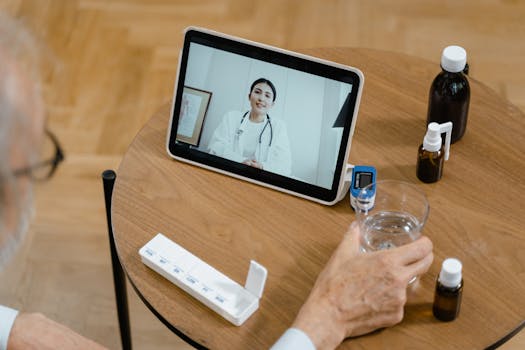
Senior adult having a virtual doctor consultation on a tablet with medications on the table.Photo: Tima Miroshnichenko / Pexels

What is Telemedicine Used For? Your Digital Healthcare Guide

Unlock the power of virtual care for convenient, accessible, and comprehensive medical support.

Explore Virtual Care

Key Takeaways

  • ✓ Telemedicine encompasses a wide range of services, not just video calls.
  • ✓ It significantly improves access to specialists, especially in rural areas.
  • ✓ Many insurance plans, including Medicare and Medicaid, now cover telemedicine.
  • ✓ Telemedicine can reduce healthcare costs and travel time for patients.

How It Works

1
Schedule Your Virtual Visit

Choose a provider and service, then book an appointment online or through an app. You'll typically receive instructions on how to connect.

2
Connect with Your Provider

At your appointment time, join a secure video call, phone call, or chat platform. Discuss your symptoms, medical history, and concerns.

3
Receive Diagnosis & Treatment

Your doctor will assess your condition, provide a diagnosis, and recommend a treatment plan. This might include prescriptions, referrals, or self-care advice.

4
Follow-Up & Continued Care

Depending on your needs, you might have follow-up virtual appointments or use remote monitoring devices. Your medical records are securely updated.

The Broad Spectrum of Telehealth Services and Applications
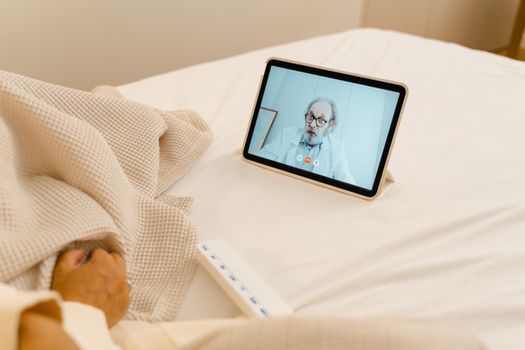
Patient in bed having a virtual consultation with a doctor via tablet.Photo: Tima Miroshnichenko / Pexels
Telemedicine, at its core, is the delivery of healthcare services and information using electronic communication technologies. While often associated with simple video calls to a doctor, its scope is far more expansive and continually growing. Understanding what is telemedicine used for requires appreciating its multifaceted nature, encompassing everything from routine primary care to highly specialized interventions. It's not just about convenience; it's about bridging geographical gaps, improving access for underserved populations, and enhancing the efficiency of the healthcare system as a whole. The COVID-19 pandemic significantly accelerated its adoption, revealing its critical role in maintaining continuity of care during unprecedented times. One of the most common applications is virtual consultations for general health concerns. This includes acute conditions like colds, flu, allergies, rashes, and minor infections. Instead of taking time off work, traveling to a clinic, and waiting in a waiting room, patients can connect with a physician from the comfort of their home or office. This saves time, reduces exposure to other illnesses, and often leads to quicker access to care. For chronic disease management, telemedicine offers invaluable support. Patients with conditions such as diabetes, hypertension, asthma, or heart disease can have regular check-ins with their specialists, discuss medication adjustments, review vital signs (often submitted via remote monitoring devices), and receive ongoing education and support. This proactive approach helps prevent complications and improves long-term health outcomes. Beyond general and chronic care, telemedicine plays a crucial role in mental health. Telepsychiatry and teletherapy services allow individuals to connect with psychiatrists, psychologists, and counselors for anxiety, depression, stress management, grief counseling, and other mental health challenges. The privacy and convenience of virtual mental health support can break down barriers to access, especially for those who live in areas with a shortage of mental health professionals or who may feel stigmatized by in-person visits. Specialist consultations are another major area where telemedicine shines. If you need to see a dermatologist for a skin condition, an endocrinologist for a hormonal issue, or a neurologist for a headache disorder, a virtual visit can often serve as an initial assessment or a follow-up. This is particularly beneficial for patients in rural areas who might otherwise have to travel long distances to access specialized care. Remote patient monitoring (RPM) is a sophisticated component of telemedicine. This involves using digital technologies to collect health data from individuals in one location and electronically transmit that information securely to healthcare providers in a different location for assessment and recommendations. RPM devices can track blood pressure, glucose levels, heart rate, oxygen saturation, weight, and more. This data provides doctors with a continuous, real-time picture of a patient's health, enabling early intervention and personalized care adjustments. For instance, a patient with congestive heart failure might use an RPM device to track their weight and blood pressure daily, alerting their care team to potential fluid retention before it becomes critical. Telepharmacy, tele-rehabilitation, and even telestroke programs are further examples of the diverse applications, demonstrating that telemedicine is not a singular service but a comprehensive umbrella covering many aspects of modern healthcare. Learn more about the future of healthcare technology.

Benefits and Accessibility: Why Telemedicine is Gaining Traction

Senior adult having a virtual doctor consultation on a tablet with medications on the table.Photo: Tima Miroshnichenko / Pexels
The burgeoning popularity of telemedicine isn't just a fleeting trend; it's a reflection of significant advantages it offers to both patients and healthcare providers. One of the primary benefits is unparalleled convenience. Patients no longer need to factor in travel time, parking, or waiting room delays. A virtual appointment can often be scheduled during a lunch break or from the comfort of one's home, reducing disruption to daily life and work schedules. This convenience is particularly impactful for individuals with mobility issues, chronic illnesses that make travel difficult, or parents balancing childcare responsibilities. Accessibility is another cornerstone of telemedicine's appeal. For millions of Americans living in rural or underserved areas, access to specialized medical care, or even primary care physicians, can be severely limited. Telemedicine effectively dismantles geographical barriers, allowing individuals to connect with top specialists and primary care providers regardless of their physical location. This democratization of healthcare access is vital for reducing health disparities and ensuring that everyone has an opportunity to receive timely and appropriate medical attention. Consider a patient in a remote town needing to see an oncologist; telemedicine can facilitate initial consultations, treatment plan discussions, and follow-up appointments without arduous travel. Cost-effectiveness is another significant driver. While the direct cost of a virtual visit might be comparable to an in-person one, the indirect savings for patients are substantial. Reduced travel expenses (gas, public transport, parking), fewer hours missed from work, and decreased need for childcare all contribute to a lower overall financial burden. For healthcare systems, telemedicine can optimize resource allocation, reduce emergency room visits for non-urgent conditions, and improve patient flow, leading to greater operational efficiency. Many insurance providers, including Medicare and Medicaid, have expanded their coverage for telemedicine services, making it an increasingly viable and affordable option for a broader population. This expanded coverage has been instrumental in mainstreaming virtual care. Furthermore, telemedicine enhances continuity of care. Patients can maintain relationships with their established providers, even if they move or if the provider is located a distance away. This consistent care from a familiar provider leads to better understanding of the patient's medical history, improved trust, and more personalized treatment plans. For chronic conditions, regular virtual check-ins and remote monitoring ensure that patients remain engaged in their health management, leading to better adherence to treatment protocols and proactive management of symptoms. The ability to quickly consult with a doctor for minor issues can also prevent conditions from escalating, thereby reducing the need for more intensive and costly interventions down the line. The digital nature of telemedicine also often facilitates easier sharing of medical records and seamless coordination among different healthcare providers, creating a more integrated and patient-centric healthcare experience.

Specific Medical Conditions and Specialties Utilizing Telemedicine Effectively

An elderly doctor in a white coat conducting an online medical consultation, focusing attentively.Photo: Tima Miroshnichenko / Pexels
The versatility of telemedicine means it can be effectively applied across a vast array of medical conditions and specialties, offering tailored solutions for diverse patient needs. Understanding what is telemedicine used for in specific contexts helps to illuminate its transformative potential. **Primary Care:** This is arguably the most widespread application. Telemedicine is excellent for managing common ailments like colds, flu, sore throats, sinus infections, allergies, urinary tract infections (UTIs), skin rashes, and minor injuries. It's also used for medication refills, chronic disease follow-ups (e.g., blood pressure checks, diabetes management), and general health counseling. For many routine concerns, a physical exam isn't strictly necessary, making virtual consultations highly efficient. **Mental Health:** Telepsychiatry and teletherapy have seen explosive growth. Conditions such as depression, anxiety disorders, PTSD, ADHD, bipolar disorder, and substance use disorders are frequently managed through virtual platforms. Patients can engage in individual therapy, couples counseling, family therapy, and medication management with psychiatrists, psychologists, and licensed therapists. The comfort of one's own environment can reduce the stigma often associated with seeking mental health care, improving engagement and adherence to treatment. **Dermatology:** Many skin conditions can be diagnosed and monitored effectively through high-resolution images and video calls. Rashes, acne, eczema, psoriasis, suspicious moles (for initial screening, though biopsies require in-person visits), and fungal infections are commonly assessed via telemedicine. Patients can upload photos before their appointment, giving the dermatologist valuable visual information. **Endocrinology:** Managing conditions like diabetes, thyroid disorders, and other hormonal imbalances often involves regular monitoring and medication adjustments. Telemedicine facilitates frequent check-ins, review of glucose logs or thyroid function tests, and dosage modifications without the need for an in-person visit every time. Remote patient monitoring devices for glucose tracking are particularly useful here. **Cardiology:** For stable chronic cardiac conditions such as hypertension, congestive heart failure, and post-MI care, telemedicine allows for regular follow-ups, medication management, and lifestyle counseling. Remote monitoring of blood pressure, heart rate, and weight is crucial. Alerts can be set up for concerning trends, enabling early intervention. **Gastroenterology:** Follow-up appointments for conditions like irritable bowel syndrome (IBS), Crohn's disease, ulcerative colitis, and acid reflux can often be conducted virtually. Discussions about symptoms, diet, and medication efficacy are well-suited for telemedicine. **Pediatrics:** For non-emergency issues in children, telemedicine offers immense relief to parents. Concerns like fevers, coughs, colds, rashes, pink eye, and behavioral issues can often be addressed virtually, saving a trip to the pediatrician's office and reducing exposure to other sick children. **Specialized Programs:** Beyond these general categories, telemedicine supports highly specialized areas. Telestroke programs enable neurologists to assess stroke patients remotely in emergency settings, guiding treatment decisions. Tele-rehabilitation allows physical and occupational therapists to guide exercises and monitor progress from a distance. Telepharmacy provides medication counseling and review. Even chronic pain management can incorporate virtual check-ins for medication adjustments and therapy. The common thread across these applications is the ability to gather necessary information, assess the patient, and provide guidance or treatment without requiring a physical presence for every interaction. Explore how technology is transforming patient care.

Navigating Telemedicine: Tips for a Successful Virtual Visit and Avoiding Pitfalls

Senior adult having a virtual doctor consultation on a tablet with medications on the table.Photo: Tima Miroshnichenko / Pexels
To truly leverage the power of telemedicine, it's essential to approach your virtual appointments strategically. A successful telemedicine experience is a collaborative effort between you and your provider. Here are some key tips for making the most of your virtual visit and avoiding common pitfalls: * **Prepare in Advance:** Just as you would for an in-person appointment, gather all relevant information. This includes a list of your current medications (with dosages), any allergies, your medical history, and specific questions or concerns you want to address. If you're discussing a rash or a visible symptom, consider taking clear photos in good lighting beforehand to share with your doctor. Write down your symptoms, when they started, and what makes them better or worse. * **Ensure Technical Readiness:** Before your appointment, test your internet connection, camera, and microphone. Make sure your device (smartphone, tablet, or computer) is fully charged or plugged in. Download any necessary apps or software well in advance and log in to the platform to familiarize yourself with it. Find a quiet, private space with good lighting where you won't be interrupted during your call. * **Be Specific About Your Symptoms:** During the visit, be as descriptive as possible about your symptoms. Since your doctor can't perform a physical exam in the traditional sense, your detailed descriptions are crucial. Explain the duration, severity, and any associated factors. Don't be afraid to ask questions for clarification. * **Understand Limitations:** While telemedicine is incredibly versatile, it has limitations. Certain conditions, like severe abdominal pain, chest pain, or symptoms requiring immediate physical examination (e.g., listening to heart/lungs, palpating an injury), are best handled in an emergency room or an in-person visit. Your provider will guide you if an in-person follow-up is necessary. Don't hesitate to seek emergency care if your symptoms warrant it. * **Confirm Next Steps and Prescriptions:** Before ending the call, ensure you understand the diagnosis, treatment plan, and any follow-up instructions. Confirm if a prescription has been sent to your preferred pharmacy and when you can expect it. Ask about when and how you should follow up, or if any tests are required. * **Data Security and Privacy:** Choose reputable telemedicine providers who prioritize patient data security. Ensure the platform used is HIPAA-compliant. Be mindful of your surroundings during the call to maintain privacy, especially if discussing sensitive health information. By following these tips, you can ensure your telemedicine visits are productive, efficient, and contribute positively to your health management. Telemedicine is a powerful tool when used appropriately and thoughtfully.

Comparison

FeatureTelemedicine VisitIn-Person VisitUrgent Care Clinic
ConvenienceHighLow to ModerateModerate
Accessibility (Rural Areas)HighLowModerate
Cost (Indirect Savings)HighLowModerate
Physical ExamLimitedComprehensiveComprehensive
Exposure to GermsLowHighHigh
Wait TimesLowModerate to HighModerate to High
Specialist AccessHighModerateLow

What Our Readers Say

5 ★★★★★

"I used telemedicine when my son had a nasty ear infection. The doctor quickly diagnosed it via video, sent a prescription to our pharmacy, and saved us a stressful trip to urgent care. It was a lifesaver!"

5 ★★★★★

"For my chronic diabetes management, telemedicine has been a game-changer. I have regular virtual check-ins with my endocrinologist, and we review my glucose readings. It's so much easier than taking time off work every month."

5 ★★★★★

"My therapist moved states, but thanks to telemedicine, I could continue our sessions without interruption. The continuity of care has made a huge difference in my mental health journey. Highly recommend it for therapy."

4 ★★★★☆

"I had a virtual visit for a persistent cough. The doctor was thorough, but ultimately recommended an in-person follow-up to listen to my lungs more closely. It was a good first step, but not a complete solution for my specific issue."

5 ★★★★★

"Living in a rural area, getting to a dermatologist was always a challenge. Telemedicine allowed me to get a professional opinion on a suspicious mole by sending photos, saving me a 4-hour drive. The convenience is unmatched."

Frequently Asked Questions

What common conditions is telemedicine used for?
Telemedicine is commonly used for a wide range of non-emergency conditions such as colds, flu, allergies, rashes, UTIs, minor injuries, medication refills, chronic disease management (diabetes, hypertension), and mental health conditions like anxiety and depression. It's ideal for situations where a physical exam isn't strictly necessary for diagnosis.
Is telemedicine secure and private?
Reputable telemedicine platforms are designed to be highly secure and compliant with HIPAA (Health Insurance Portability and Accountability Act) regulations, ensuring the privacy and confidentiality of your health information. Always check that the provider uses encrypted connections and secure data storage.
How do I prepare for a telemedicine appointment?
To prepare, ensure you have a stable internet connection, a charged device with a camera and microphone, and a quiet, private space. Gather your medical history, current medications, and a detailed list of your symptoms or questions. Test your technology beforehand to avoid technical glitches.
Does insurance cover telemedicine services?
Yes, many insurance plans, including Medicare, Medicaid, and most private insurers, now cover telemedicine services. Coverage can vary by plan and state, so it's always best to check with your specific insurance provider to understand your benefits and any potential co-pays.
How does telemedicine compare to an in-person doctor visit?
Telemedicine offers greater convenience, accessibility, and often lower indirect costs, making it ideal for routine check-ups, follow-ups, and minor illnesses. In-person visits are necessary for comprehensive physical exams, emergency situations, diagnostic tests like X-rays, and procedures requiring physical intervention. They complement each other.
Who should consider using telemedicine?
Anyone seeking convenient access to healthcare for non-emergency conditions, individuals in rural areas with limited access to specialists, people with chronic conditions requiring regular monitoring, those with mobility challenges, and individuals seeking mental health support can benefit significantly from telemedicine.
Are there any risks or downsides to telemedicine?
While generally safe, a potential downside is the inability to perform a hands-on physical exam, which can limit diagnosis for certain conditions. Technical issues like poor internet connection can also disrupt appointments. It's crucial for providers to know when to recommend an in-person follow-up.
What is the future outlook for telemedicine in the US?
The future of telemedicine in the US is bright and expansive. Expect continued growth in specialized services, integration with wearable tech for advanced remote monitoring, AI-powered diagnostics, and a more seamless blend with in-person care, creating a truly hybrid healthcare model that prioritizes patient needs and accessibility.

Understanding what is telemedicine used for empowers you to take control of your healthcare journey. Embrace the convenience, accessibility, and comprehensive care that virtual medicine offers to enhance your well-being. Explore telemedicine options today and experience the future of healthcare.

Topics: what is telemedicine used fortelehealth servicesvirtual doctor visitsonline medical consultationsremote patient monitoring