✓ Telemedicine encompasses a wide range of services, from virtual consultations to remote monitoring.
✓ It significantly improves access to specialized care, especially in rural or underserved areas.
✓ Common uses include managing chronic conditions, addressing urgent care needs, and mental health support.
✓ The legal and regulatory framework for telemedicine continues to evolve, enhancing patient safety and privacy.
How It Works
1
Schedule Your Appointment
Choose a telemedicine provider and book an appointment online or via phone. You'll typically select a time and date that works for you.
2
Connect Virtually
At your scheduled time, log into a secure platform using your computer, tablet, or smartphone. This will connect you with your healthcare provider.
3
Receive Consultation & Care
During the virtual visit, you'll discuss your symptoms and medical history. The doctor will provide a diagnosis, treatment plan, or prescription if needed.
4
Follow-Up & Next Steps
After the consultation, you may receive follow-up instructions, referrals, or prescriptions electronically. Your medical records will be updated accordingly.
Understanding the Scope of Remote Healthcare Services
Photo: www.kaboompics.com / Pexels
The question, "what is telemedicine used for?" opens the door to a vast and rapidly expanding landscape of healthcare delivery. Far from being a niche service, telemedicine has evolved into a comprehensive approach that integrates technology to provide medical care remotely. At its core, telemedicine leverages telecommunications and information technology to offer clinical healthcare at a distance. This can range from a simple phone call with a nurse to complex surgical monitoring performed by specialists hundreds of miles away. Understanding its full scope is crucial for anyone looking to optimize their healthcare journey in the modern era.
Historically, telemedicine's roots trace back to early telephone consultations and radio communications used to reach remote populations. However, the advent of high-speed internet, smartphones, and sophisticated medical devices has transformed it into a powerful, multifaceted tool. Today, it encompasses various modalities, including live video conferencing, store-and-forward messaging (e.g., sending images for dermatological review), and remote patient monitoring (RPM) using wearable sensors and connected devices. This technological backbone allows for a seamless and secure exchange of medical information, enabling providers to make informed decisions and patients to receive timely care.
One of the primary applications of telemedicine is in extending access to care. For individuals living in rural or underserved areas, where specialists might be scarce or distances prohibitive, telemedicine bridges geographical gaps. It allows them to consult with neurologists, cardiologists, or mental health professionals without the burden of extensive travel. This democratizes access to expert medical opinions, ensuring that quality care isn't solely dependent on one's postcode. Moreover, telemedicine significantly benefits those with mobility challenges, chronic illnesses, or immunocompromised conditions, for whom in-person visits can be physically demanding or pose health risks.
Beyond just access, telemedicine enhances convenience. Imagine receiving a prescription renewal or discussing minor symptoms with your doctor during your lunch break, without the need to take time off work, battle traffic, or sit in a waiting room. This level of flexibility is a game-changer for busy professionals, parents, and anyone seeking to integrate healthcare more smoothly into their daily lives. It reduces the logistical hurdles often associated with traditional appointments, leading to higher patient satisfaction and improved adherence to treatment plans. The ability to connect with a healthcare provider quickly can also prevent minor issues from escalating into more serious conditions, fostering proactive health management. The convenience extends to follow-up appointments, medication management, and even post-operative care, making the entire healthcare continuum more patient-centric. For more information on digital health, explore the latest digital health trends.
Specific Medical Conditions and Services Telemedicine Addresses
Photo: www.kaboompics.com / Pexels
Delving deeper into what telemedicine is used for reveals a broad spectrum of medical conditions and services that can be effectively managed virtually. It's not just for colds and coughs; telemedicine has proven its efficacy across numerous specialties, demonstrating its versatility and reliability. One of the most common applications is in primary care. Routine check-ups, medication refills, symptom evaluation for non-emergency conditions (like UTIs, allergies, or minor infections), and general health advice are all frequently handled through virtual consultations. This allows primary care physicians to manage their patient panels more efficiently and provides patients with quick access to their trusted doctors.
Mental health services have also seen a monumental shift towards telemedicine, often referred to as 'telemental health.' Therapy sessions, psychiatric evaluations, medication management for conditions like depression, anxiety, PTSD, and ADHD are widely conducted via video calls. This approach has proven particularly effective because it removes many barriers to access, such as stigma, travel difficulties, and the shortage of mental health professionals in certain areas. Patients often feel more comfortable opening up from the privacy of their own homes, fostering a more relaxed and productive therapeutic environment. The continuity of care offered by telemental health ensures that individuals receive consistent support, which is critical for managing chronic mental health conditions.
Chronic disease management is another significant area where telemedicine shines. For conditions such as diabetes, hypertension, asthma, and heart disease, regular monitoring and adjustments to treatment plans are essential. Telemedicine facilitates this through remote patient monitoring (RPM) devices that transmit vital signs, blood glucose levels, or blood pressure readings directly to healthcare providers. Doctors can then review this data, provide feedback, and modify medications or lifestyle recommendations without requiring the patient to visit the clinic. This proactive approach helps prevent complications, improves patient adherence, and empowers individuals to take a more active role in managing their health. It allows for real-time adjustments, catching potential issues before they become severe.
Beyond these, telemedicine is increasingly used for urgent care needs (for non-life-threatening conditions), specialist consultations (dermatology, endocrinology, neurology, etc., where visual assessment or discussion is sufficient), post-operative follow-ups, nutritional counseling, physical therapy consultations (with guided exercises), and even palliative care support. The ability to share images, videos, and real-time data securely means that a wide range of diagnostic and therapeutic processes can be initiated or monitored remotely. This comprehensive utility underscores telemedicine's role as a transformative force in healthcare, making it a viable and often preferable option for a multitude of health concerns.
The Benefits and Challenges of Integrating Telemedicine into Your Life
Photo: www.kaboompics.com / Pexels
The integration of telemedicine into daily life brings forth a myriad of benefits, profoundly impacting both individual patients and the broader healthcare system. One of the most celebrated advantages is the unparalleled convenience it offers. Patients can access care from virtually anywhere – their home, office, or even while traveling – eliminating the need for commutes, parking, and waiting room delays. This not only saves valuable time but also reduces associated costs like gas and childcare. For those with chronic conditions or limited mobility, this convenience translates into significantly improved access to consistent care, leading to better health outcomes and a higher quality of life. The flexibility allows individuals to schedule appointments that fit seamlessly into their existing routines, rather than disrupting them. Improving healthcare access is a core benefit.
Cost-effectiveness is another significant benefit. While the upfront investment in technology can be a factor for providers, for patients, telemedicine often translates to lower out-of-pocket expenses. Fewer missed workdays, reduced travel costs, and the potential for preventing emergency room visits by addressing issues earlier contribute to overall savings. Many insurance plans, including Medicare and Medicaid, now cover telemedicine services, further reducing financial barriers. From a systemic perspective, telemedicine can help optimize resource allocation, reducing the burden on overcrowded emergency rooms and clinics, and allowing healthcare facilities to focus on cases that truly require in-person attention.
However, it's equally important to acknowledge the challenges associated with telemedicine. The digital divide remains a significant hurdle. Not everyone has reliable access to high-speed internet, or the necessary devices (smartphones, computers) to participate in virtual appointments. Older adults, low-income populations, and those in remote areas are often disproportionately affected by this technological gap, potentially exacerbating existing health disparities. Addressing this requires sustained efforts to improve digital infrastructure and provide equitable access to technology and digital literacy training.
Another challenge revolves around privacy and data security. While telemedicine platforms are designed with robust security measures, the transmission of sensitive health information over the internet always carries inherent risks. Patients need assurance that their personal health information (PHI) is protected in accordance with HIPAA regulations and that the platforms used are secure against cyber threats. Providers, too, must ensure their systems are compliant and their staff are adequately trained in data protection protocols. The quality of the virtual interaction can also be a concern; while many conditions are well-suited for telemedicine, some require a physical examination that cannot be replicated virtually. Diagnoses for complex or acute conditions may necessitate an in-person follow-up, and the nuances of body language or subtle physical cues might be missed in a video consultation. Striking the right balance between virtual and in-person care is key to maximizing telemedicine's potential while mitigating its limitations.
Tips for a Successful Telemedicine Experience and Avoiding Common Pitfalls
Photo: www.kaboompics.com / Pexels
To maximize the benefits of telemedicine and ensure a smooth, effective virtual visit, patients can take several proactive steps. Preparing for your appointment is paramount. Just as you would for an in-person visit, compile a list of your symptoms, questions, and any concerns you wish to discuss. Be ready to articulate when your symptoms started, how severe they are, and what, if anything, makes them better or worse. Have a list of all medications you are currently taking, including dosage and frequency, as well as any allergies you may have. This organized approach ensures you cover all critical points and helps the provider make an accurate assessment. Additionally, having your health insurance information and pharmacy details readily available will streamline the administrative aspects of your visit.
Technical preparedness is equally crucial. Before your appointment, test your internet connection to ensure it's stable and fast enough for video conferencing. Charge your device (smartphone, tablet, or laptop) or ensure it's plugged in to avoid interruptions. Familiarize yourself with the telemedicine platform your provider uses; many offer test calls or tutorials. Find a quiet, private, and well-lit space where you won't be disturbed during your consultation. Good lighting ensures the doctor can see you clearly, which is particularly important for visual assessments like skin rashes or swelling. Using headphones can improve audio quality and enhance privacy, especially if you're in a shared space.
**Tips for a Successful Telemedicine Experience:**
* **Test Your Technology:** Ensure your internet, camera, and microphone are working well in advance.
* **Choose a Private Location:** Find a quiet, well-lit space where you feel comfortable discussing personal health matters.
* **Prepare Your Information:** Have a list of symptoms, questions, medications, and medical history ready.
* **Be Specific and Honest:** Clearly describe your symptoms and concerns; don't hold back relevant details.
* **Take Notes:** Jot down key instructions, diagnoses, and medication details during the call.
* **Clarify Doubts:** Don't hesitate to ask your provider to re-explain anything you don't understand.
* **Understand Follow-Up:** Know what the next steps are, whether it's a prescription, referral, or another appointment.
One common pitfall to avoid is treating a telemedicine visit like a casual chat. While convenient, it's still a professional medical appointment. Be focused, respectful of your provider's time, and prepared to engage actively in the discussion about your health. Another mistake is assuming that telemedicine is suitable for all emergencies. For severe symptoms like chest pain, sudden weakness, difficulty breathing, or severe bleeding, an in-person emergency room visit or calling 911 is always the appropriate course of action. Understand the limitations of virtual care and when it's necessary to seek immediate, hands-on medical attention. By following these tips and being mindful of its appropriate use, you can harness the full potential of telemedicine for your health needs.
Comparison
Feature
Telemedicine
In-Person Clinic Visit
Urgent Care Clinic
Convenience
High (from anywhere)
Low (travel, waiting time)
Medium (some wait, travel)
Access to Specialists
High (broader network)
Medium (local availability)
Low (generalist focus)
Cost (Patient OOP)
Often Lower
Variable, potentially higher
Medium to High
Physical Exam
Limited/Visual Only
Comprehensive
Basic to Moderate
Wait Time
Typically Short
Often Long
Short to Medium
Privacy
✓ (Secure Platforms)
✓ (Private Rooms)
✓ (Private Rooms)
Emergency Conditions
✗
✓
✓ (Non-life-threatening)
What Readers Say
★★★★★
"I used telemedicine for a persistent sinus infection, and it was incredibly efficient. The doctor diagnosed me quickly, sent a prescription to my pharmacy, and I felt better within days. It saved me a trip to the clinic and hours of waiting."
Sarah J. · Austin, TX
★★★★★
"As someone with a demanding job, I always struggled to fit in doctor's appointments. Telemedicine for my routine follow-ups has been a lifesaver. It’s amazing what is telemedicine used for – managing my chronic condition without disrupting my work schedule."
Mark D. · Denver, CO
★★★★★
"My therapist switched to virtual sessions, and it's been fantastic. I feel more comfortable talking from home, and the continuity of care has significantly improved my mental health. This direct result of telemedicine has truly changed my life for the better."
Emily R. · Miami, FL
★★★★★
"Telemedicine is great for minor issues and prescriptions. I did have one instance where the doctor recommended an in-person visit after our virtual chat because they needed to do a physical exam, which was understandable. Overall, very convenient."
David L. · Seattle, WA
★★★★★
"I used telemedicine to get a second opinion on a dermatology issue. Being able to send clear photos and discuss it with a specialist virtually, whom I wouldn't have had local access to, was invaluable. It prevented unnecessary travel and gave me peace of mind."
Jessica M. · Chicago, IL
Frequently Asked Questions
What types of conditions are best suited for telemedicine?
Telemedicine is ideal for non-emergency conditions such as colds, flu, allergies, rashes, urinary tract infections, medication refills, chronic disease management (diabetes, hypertension), mental health counseling, and post-operative follow-ups. Essentially, anything that doesn't require a physical hands-on examination can often be handled virtually.
Is telemedicine as effective as an in-person doctor's visit?
For many conditions, studies show telemedicine can be just as effective as in-person visits, especially for diagnosis, treatment planning, and monitoring. Its effectiveness depends on the specific condition; for issues requiring physical examination or emergency intervention, in-person care remains essential.
How do I get a prescription through telemedicine?
During your virtual consultation, if the healthcare provider determines a prescription is necessary, they can electronically send it directly to your preferred pharmacy. You will then receive a notification and can pick up your medication as usual, just like with an in-person visit.
Does insurance cover telemedicine services?
Most major insurance providers, including Medicare and Medicaid, now offer coverage for telemedicine services. Coverage details can vary by plan and state, so it's always best to check directly with your insurance provider or the telemedicine service before your appointment to understand your specific benefits and any potential co-pays.
How does telemedicine compare to urgent care clinics?
Telemedicine offers greater convenience and often lower costs for non-emergency issues that don't require physical examination. Urgent care clinics are better for conditions needing immediate, hands-on assessment like fractures, deep cuts, or severe infections, but typically involve waiting times and higher costs than virtual visits.
Who should consider using telemedicine?
Telemedicine is beneficial for busy individuals, those in rural areas with limited access to specialists, people with chronic conditions needing regular monitoring, individuals with mobility issues, and anyone seeking convenient and timely medical advice for non-emergency health concerns. It's a versatile tool for proactive health management.
Are my medical records and privacy protected during a telemedicine visit?
Yes, reputable telemedicine platforms are designed to be HIPAA-compliant, ensuring that your personal health information and medical records are kept private and secure. All communications are encrypted, and providers adhere to strict privacy protocols, just as they would in a traditional clinic setting.
What future trends can we expect in telemedicine?
Future trends include even greater integration with AI for diagnostics and personalized treatment plans, expanded use of wearables for continuous remote monitoring, virtual reality for therapy and rehabilitation, and a more seamless blend of in-person and virtual care, creating truly hybrid healthcare models.
Now that you understand what is telemedicine used for, take the next step towards convenient, accessible healthcare. Explore telemedicine options today and experience the future of medical care from the comfort of your home.
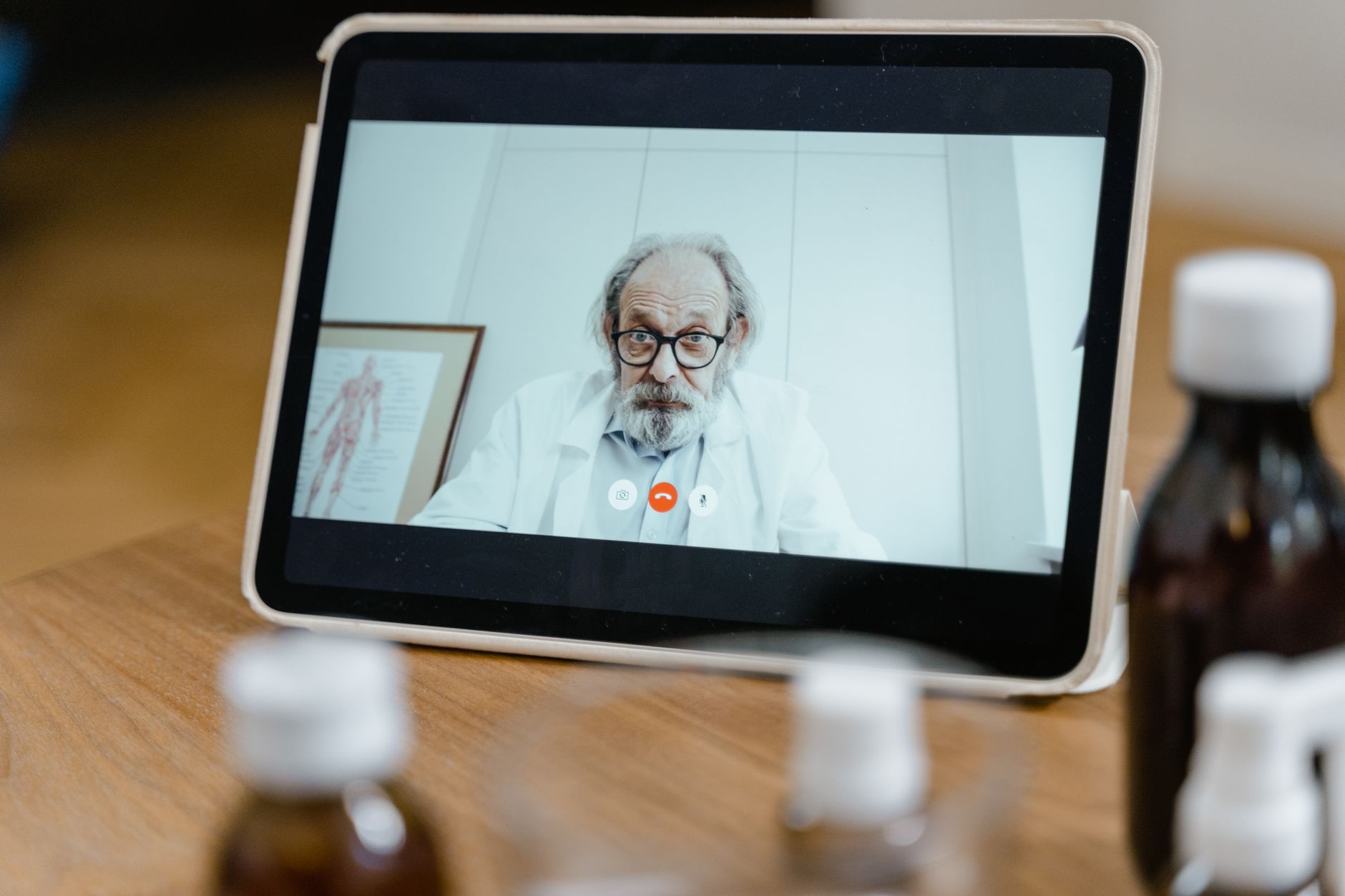
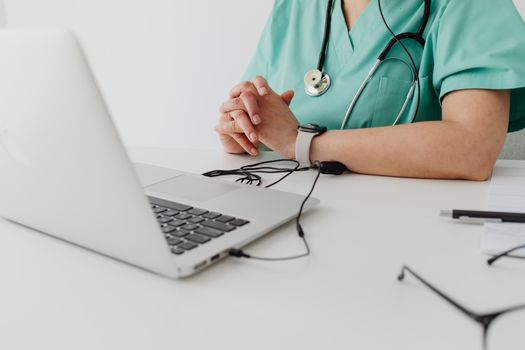 Photo: www.kaboompics.com / Pexels
 Photo: www.kaboompics.com / Pexels
 Photo: www.kaboompics.com / Pexels
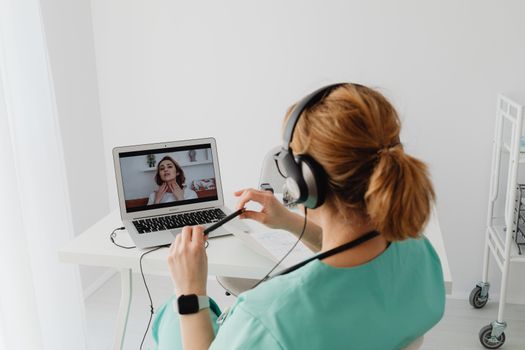 Photo: www.kaboompics.com / Pexels