What is Telehealth and How Does it Work? Your Complete Guide
what is telehealth

What is Telehealth and How Does it Work? Your Complete Guide

Explore the world of virtual healthcare, understanding its mechanisms and how it brings medical services directly to you.

Start Your Virtual Care Journey

Key Takeaways

  • ✓ Telehealth encompasses a broad range of digital health services, not just video calls.
  • ✓ It leverages information and communication technologies to provide healthcare remotely.
  • ✓ Common services include virtual visits, remote patient monitoring, and e-prescribing.
  • ✓ Telehealth aims to improve access to care, reduce costs, and enhance patient convenience.

How It Works

1
Scheduling Your Appointment

Patients typically schedule a virtual appointment through a provider's website, app, or by phone. You'll often receive instructions on how to prepare and connect.

2
Connecting with Your Provider

At the scheduled time, you'll connect with your healthcare provider via a secure video conferencing platform. This allows for real-time interaction, similar to an in-person visit.

3
Consultation and Diagnosis

During the virtual visit, the provider will discuss your symptoms, medical history, and may ask you to perform simple physical checks. They can then offer a diagnosis, treatment plan, or e-prescribe medication.

4
Follow-Up and Remote Monitoring

After the consultation, you might receive follow-up instructions or be asked to use remote monitoring devices for chronic conditions. Your provider can then track your progress digitally.

Understanding the Foundation: What Exactly is Telehealth?

Minimalist image depicting a laptop and stethoscope representing telemedicine and digital health. Photo: Tara Winstead / Pexels
In an increasingly digital world, the way we access essential services is constantly evolving, and healthcare is no exception. Telehealth has emerged as a transformative force, fundamentally reshaping the patient-provider relationship and expanding access to medical care far beyond traditional brick-and-mortar clinics. But what exactly is telehealth, and how does it differentiate itself from similar terms like telemedicine? At its core, telehealth refers to the broad array of technologies and services used to provide health care and health education remotely. It encompasses a much wider scope than just a video chat with your doctor. Think of telehealth as an umbrella term covering all health services delivered via telecommunication and digital information technologies. This can include live video conferencing for virtual doctor visits, often referred to as 'telemedicine,' but it also extends to remote patient monitoring (RPM) where vital signs and other health data are collected from a patient at home and securely transmitted to their healthcare provider. It includes 'store-and-forward' technology, where medical information like images or lab results are electronically transmitted to a specialist for later review, without a real-time interaction. Furthermore, telehealth embraces mobile health (mHealth) – the use of mobile devices, such as smartphones and tablets, to deliver health services and information. This could be anything from health apps that track fitness and diet to platforms that facilitate communication between patients and providers. The primary goal of telehealth is to improve patient access to care, especially for those in rural areas, individuals with mobility issues, or people with busy schedules who find it challenging to attend in-person appointments. It aims to reduce healthcare costs by minimizing travel, missed work, and emergency room visits for non-urgent conditions. Moreover, telehealth plays a crucial role in managing chronic diseases, allowing for continuous monitoring and timely interventions. During public health crises, as demonstrated recently, telehealth becomes an indispensable tool for maintaining continuity of care while minimizing exposure risks. It's not just about convenience; it's about creating a more resilient, accessible, and efficient healthcare system. The integration of telehealth into daily medical practice is a testament to its growing importance and effectiveness in modern healthcare delivery. Understanding these foundational aspects is key to appreciating the full potential of this innovative approach to health and wellness. Learn more about the evolution of digital health services.

The Mechanics of Telehealth: How Does It Actually Work?

Senior male doctor using laptop for telehealth consultation in office setting. Photo: Tima Miroshnichenko / Pexels
Delving deeper into the operational aspects, understanding how telehealth works involves recognizing the various technologies and processes that facilitate remote healthcare delivery. It's more than just a simple video call; it's a sophisticated system designed to mimic and even enhance aspects of traditional medical care. The core components typically include secure communication platforms, specialized medical devices, and robust data management systems, all working in concert to ensure privacy, accuracy, and effectiveness. Firstly, secure communication platforms are paramount. These are not standard video conferencing tools but rather HIPAA-compliant (Health Insurance Portability and Accountability Act) systems specifically designed for healthcare. They employ end-to-end encryption to protect sensitive patient information, ensuring that conversations and data exchanges remain confidential. Patients usually access these platforms via a secure link provided by their healthcare provider, often through a patient portal or a dedicated app. This ensures that only authorized individuals can participate in the virtual consultation. Secondly, the modalities of interaction vary. The most common is synchronous telehealth, which involves real-time communication. This includes live video consultations, where a doctor can see and speak with a patient, assess their demeanor, and even guide them through simple physical examinations (e.g., checking for swelling, assessing range of motion). It also covers phone consultations, which are particularly useful when visual cues are not essential or for follow-up discussions. Asynchronous telehealth, or 'store-and-forward,' is another crucial mechanism. Here, patient data – such as images of a skin rash, X-rays, or lab results – are collected and sent securely to a specialist for review at a later time. The specialist then provides their assessment, diagnosis, or recommendations back to the referring provider or patient. This is especially valuable for specialties like dermatology, radiology, and ophthalmology, reducing the need for patients to travel for initial specialist opinions. Thirdly, remote patient monitoring (RPM) plays a significant role in how telehealth works, particularly for chronic disease management. Patients are equipped with medical devices that automatically collect and transmit health data, such as blood pressure, glucose levels, heart rate, or oxygen saturation, to their healthcare team. These devices can range from wearable sensors to specialized home equipment. The data is then analyzed, often by AI-powered systems, and alerts are triggered if readings fall outside normal parameters. This allows providers to intervene proactively, adjust treatment plans, and prevent complications, significantly improving patient outcomes and reducing hospital readmissions. For instance, a diabetic patient can have their glucose levels monitored daily, allowing their endocrinologist to fine-tune insulin dosages without requiring frequent office visits. Finally, e-prescribing and digital health records are integral to the telehealth workflow. After a virtual consultation, providers can electronically send prescriptions directly to a patient's preferred pharmacy, streamlining the medication process. All interactions, diagnoses, and treatment plans are meticulously documented within the patient's electronic health record (EHR), ensuring continuity of care and easy access for future reference by authorized medical personnel. This comprehensive digital infrastructure ensures that telehealth is not just a temporary fix but a fully integrated and effective component of modern healthcare delivery.

Exploring the Diverse Applications and Benefits of Telehealth

Senior male doctor using laptop for telehealth consultation in office setting. Photo: Tima Miroshnichenko / Pexels
The versatility of telehealth extends across numerous medical disciplines and patient scenarios, making it a powerful tool for enhancing healthcare accessibility and efficiency. Its applications are far-reaching, demonstrating its capacity to deliver quality care in contexts previously limited to in-person interactions. From routine check-ups to specialized consultations and ongoing chronic disease management, telehealth is proving its worth. One of the most common applications is primary care. Patients can consult with their family doctor for common illnesses like colds, flu, allergies, or minor infections. They can also discuss medication refills, review lab results, and receive preventive health advice, all from the comfort of their home or office. This significantly reduces the burden on emergency rooms for non-urgent conditions and allows for quicker access to primary care. Mental health services have also seen a tremendous boost through telehealth. Telepsychiatry and teletherapy provide a discreet and convenient way for individuals to access counseling, psychotherapy, and medication management for conditions such as anxiety, depression, and PTSD. The virtual format often reduces the stigma associated with seeking mental health support and improves access for those in remote areas or with mobility challenges. Specialty care is another area where telehealth shines. Patients can connect with specialists like dermatologists, cardiologists, neurologists, and endocrinologists without the need for extensive travel. For instance, a dermatologist can review images of a skin condition submitted by a patient, or a neurologist can conduct follow-up assessments for a patient with a chronic neurological disorder. This is particularly beneficial for individuals living in rural or underserved areas where access to specialists is limited. Post-operative care and follow-up appointments are also effectively managed through telehealth, allowing surgeons to check on recovery progress, answer questions, and monitor incision sites without requiring the patient to return to the clinic. Beyond direct patient consultations, telehealth supports healthcare professionals through inter-provider consultations. This allows general practitioners in remote locations to quickly consult with specialists in urban centers, leveraging collective expertise to improve patient outcomes. Educational programs for patients and caregivers can also be delivered via telehealth platforms, providing vital information on disease management, healthy living, and medication adherence. The overarching benefits are clear: increased convenience for patients, reduced travel time and costs, improved access to specialized care, enhanced continuity of care, and better management of chronic conditions. It empowers patients by giving them greater control over their health journey and reduces the strain on healthcare systems by optimizing resource allocation. Discover how telehealth is revolutionizing chronic disease management.

Navigating Telehealth: Tips for Success and Common Pitfalls to Avoid
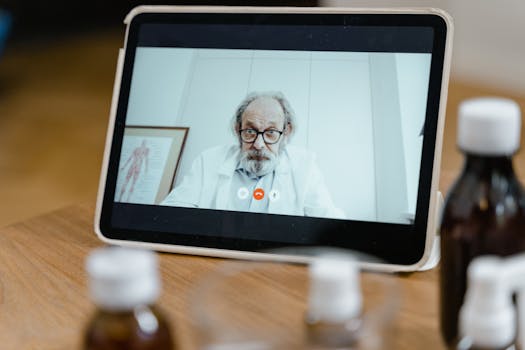
Elderly male doctor in white coat on a digital tablet screen during a virtual medical consultation. Photo: Tima Miroshnichenko / Pexels
While telehealth offers immense convenience and accessibility, a successful virtual healthcare experience often hinges on proper preparation and an awareness of potential pitfalls. Knowing how to maximize your telehealth appointment can ensure you receive the most effective care. **Tips for a Successful Telehealth Appointment:** * **Test Your Technology:** Before your appointment, ensure your internet connection is stable, your device (smartphone, tablet, or computer) is charged, and your microphone and camera are working. Familiarize yourself with the telehealth platform your provider uses. * **Find a Private and Quiet Space:** Choose a location free from distractions where you can speak openly about your health concerns without interruption. Good lighting is also helpful for video consultations. * **Prepare Your Information:** Have your medical history, current medications (including dosages), allergies, and any recent test results readily available. Write down your symptoms, when they started, and any questions you have for the doctor. * **Be Specific About Symptoms:** Clearly articulate your symptoms, their severity, and how they impact your daily life. The more detail you provide, the better your doctor can assess your condition. * **Ask for Clarification:** If you don't understand something, don't hesitate to ask your doctor to explain it again. Ensure you understand the diagnosis, treatment plan, and medication instructions. * **Know Your Pharmacy Information:** Have the name and address of your preferred pharmacy handy for e-prescriptions. * **Consider a Companion (if applicable):** For complex conditions or if you need help remembering details, having a trusted family member or friend join the call can be beneficial. **Common Pitfalls to Avoid:** * **Ignoring Technical Issues:** Don't wait until the last minute to troubleshoot. A poor connection or non-functional camera can disrupt or delay your appointment. * **Lack of Privacy:** Conducting a telehealth call in a public or noisy area can compromise confidentiality and make it difficult to hear or be heard. * **Being Underprepared:** Going into an appointment without a clear understanding of your symptoms or questions can lead to missed opportunities for diagnosis or treatment. * **Misrepresenting Symptoms:** While it might be tempting to downplay or exaggerate symptoms, honesty is crucial for an accurate diagnosis. * **Not Following Up:** If your doctor recommends further tests, specialists, or asks you to monitor certain symptoms, ensure you follow through and communicate any changes. * **Assuming All Conditions are Treatable Remotely:** While versatile, telehealth isn't suitable for all medical emergencies or conditions requiring a hands-on physical examination. Understand when an in-person visit is necessary. By following these tips and avoiding common mistakes, you can make the most of your telehealth appointments, ensuring you receive high-quality, convenient care.

Comparison

FeatureTelehealthIn-Person VisitUrgent Care Clinic
ConvenienceHighLow to ModerateModerate
AccessibilityHigh (remote areas, mobility issues)Moderate (geographic limitations)Moderate (geographic limitations)
Cost (Out-of-Pocket)Often LowerModerate to HighModerate to High
Wait TimesTypically ShorterVariable, often LongVariable, often Long
Physical ExamLimited (visual, patient-guided)ComprehensiveLimited to Moderate
Emergency Care✓ (non-life threatening)
Specialist AccessHigh (broader reach)Moderate (geographic dependent)
PrivacyHigh (secure platforms)High (private rooms)High (private rooms)

What Readers Say

"I was skeptical about what is telehealth and how does it work, but my virtual visit for a sinus infection was incredibly efficient. The doctor was thorough, and I got my prescription sent to my pharmacy within minutes, all without leaving my house."

Sarah J. · Austin, TX

"As someone with a chronic condition, remote patient monitoring through telehealth has been a game-changer. My doctor gets my daily readings, and I feel much more connected to my care team. It's truly revolutionized how I manage my health."

Mark P. · Denver, CO

"Getting a dermatology consultation via telehealth saved me hours of travel and waiting. I uploaded photos of my rash, and the specialist provided a diagnosis and treatment plan quickly. The convenience and expertise were outstanding."

Emily R. · Miami, FL

"My first telehealth appointment was for a follow-up. While I prefer in-person for initial visits, the virtual follow-up was perfect for discussing lab results and adjusting medication. It's a great option for routine check-ins."

David L. · Chicago, IL

"My therapist now offers telehealth sessions, and it's made such a difference. I can fit my appointments into my busy schedule without the commute, and the privacy of my own home makes me feel more comfortable opening up."

Jessica M. · Seattle, WA

Frequently Asked Questions

What is the primary difference between telehealth and telemedicine?

Telehealth is a broader term encompassing all health services delivered remotely using technology, including patient education, remote monitoring, and administrative meetings. Telemedicine specifically refers to clinical services provided remotely, like virtual doctor visits for diagnosis and treatment.

Is telehealth secure and private?

Yes, reputable telehealth platforms are designed to be HIPAA-compliant, meaning they use advanced encryption and security protocols to protect your personal health information. Your virtual consultations are as private as in-person visits.

How do I prepare for a telehealth appointment?

To prepare, ensure you have a stable internet connection and a charged device. Find a private, quiet space, gather your medical history and current medications, and list your symptoms and questions for the doctor. Test your camera and microphone beforehand.

Does insurance cover telehealth services?

Most major insurance providers, including Medicare and Medicaid, now cover telehealth services, especially after recent policy changes. It's always best to check with your specific insurance plan to understand your coverage and any potential co-pays.

When is an in-person visit necessary instead of telehealth?

In-person visits are necessary for medical emergencies (e.g., severe chest pain, major injuries), conditions requiring a physical examination (e.g., certain surgical consultations, detailed neurological exams), or diagnostic tests like X-rays or blood draws.

Who can benefit most from using telehealth?

Telehealth is highly beneficial for individuals in rural areas, those with limited mobility, busy professionals, people managing chronic conditions, and anyone seeking convenient access to routine medical care, mental health services, or specialist consultations.

Are telehealth diagnoses as accurate as in-person diagnoses?

For many common conditions and follow-up care, telehealth diagnoses can be just as accurate, especially when supported by detailed patient information and remote monitoring. However, for complex cases requiring physical examination or advanced diagnostics, an in-person visit may be more appropriate or required.

What does the future hold for telehealth?

The future of telehealth involves greater integration with AI for diagnostics and personalized care, expanded use of wearable technology for continuous monitoring, and increased accessibility across more medical specialties, making healthcare more proactive, preventive, and patient-centric.

Embrace the future of healthcare by understanding what is telehealth and how it works. This innovative approach offers unparalleled convenience and access, bringing quality medical care directly to you. Explore its potential to transform your health journey today.

Topics: what is telehealthhow does telehealth worktelemedicine explainedvirtual healthcareremote medical care
Leo List
Brampton weed
Adultwork EstrelaBet Vai de Bet R7 Bet Betão Galera Bet Rainbet Bet9ja Shop SportyBet BetKing Sisal Loto Foot Hollywoodbets YesPlay Odibets RushBet Jugabet BetWarrior BetCity MSport betPawa Fortebet