Unraveling What Causes High Blood Pressure (Hypertension)
June 25, 2026 15 min read 3,052 words
Understand the root causes of hypertension and take proactive steps towards a healthier, longer life.
Learn More Now
Understanding the Silent Threat: Primary (Essential) Hypertension
 Photo: Edward Jenner / Pexels
When we talk about
what causes high blood pressure, it's crucial to distinguish between primary and secondary hypertension. The vast majority of cases, approximately 90-95%, fall under the category of primary, or essential, hypertension. This term essentially means there isn't a single, identifiable medical cause for the elevated blood pressure. Instead, it's believed to develop gradually over many years due to a complex interplay of genetic predispositions, environmental factors, and lifestyle choices. Think of it as a cumulative effect, where various elements conspire over time to push your blood pressure into unhealthy ranges.
Genetics play a significant role. If your parents or close relatives have high blood pressure, your risk is inherently higher. This doesn't mean it's inevitable, but it does mean you carry a genetic susceptibility. Researchers are continually identifying specific genes that may contribute to hypertension, influencing everything from kidney function to blood vessel elasticity and the body's response to salt. However, genetics alone don't seal your fate. Lifestyle choices act as powerful modifiers, either exacerbating or mitigating these genetic risks.
Environmental factors are equally important. Chronic stress, for instance, can lead to temporary spikes in blood pressure. Over time, persistent stress can contribute to long-term hypertension by activating the body's 'fight or flight' response, which constricts blood vessels and increases heart rate. Similarly, exposure to certain pollutants or socioeconomic stressors can indirectly impact cardiovascular health. The modern diet, often high in processed foods, sodium, and unhealthy fats, is another major environmental contributor. Excessive sodium intake, in particular, can lead to fluid retention, increasing blood volume and subsequently blood pressure. Coupled with a sedentary lifestyle, where physical activity is minimal, the body's metabolic processes become less efficient, further straining the cardiovascular system.
Moreover, the aging process itself is a non-modifiable risk factor for primary hypertension. As we age, our arteries naturally stiffen and narrow, making them less elastic and more resistant to blood flow. This increased resistance requires the heart to pump harder, leading to higher blood pressure. While aging is inevitable, the rate at which our arteries stiffen can be influenced by lifestyle choices. A healthy lifestyle can slow down this process, offering protection against age-related hypertension. Understanding this multifaceted nature of primary hypertension is the first step toward effective prevention and management, empowering individuals to take control of the factors they can influence.
Identifying Secondary Hypertension: When There's an Underlying Cause
 Photo: Monstera Production / Pexels
Unlike primary hypertension, secondary hypertension is when high blood pressure is caused by an underlying medical condition or medication. While less common, accounting for about 5-10% of cases, identifying and treating the root cause of secondary hypertension can often normalize blood pressure or make it much easier to manage. This is why a thorough medical evaluation is essential when a diagnosis of hypertension is made, especially if it appears suddenly or at a young age, or if standard treatments aren't effective.
Kidney diseases are among the most common causes of secondary hypertension. The kidneys play a vital role in regulating blood pressure by controlling fluid and salt balance in the body, and by producing hormones that affect blood vessel constriction. Conditions like chronic kidney disease, renovascular hypertension (narrowing of the arteries to the kidneys), or polycystic kidney disease can impair these functions, leading to elevated blood pressure. When the kidneys can't effectively filter waste and excess fluid, blood volume increases, putting more pressure on artery walls. Similarly, problems with the renal arteries can reduce blood flow to the kidneys, prompting them to release hormones that constrict blood vessels throughout the body.
Adrenal gland disorders are another significant contributor. The adrenal glands, located atop the kidneys, produce hormones like aldosterone and cortisol. Conditions such as primary aldosteronism (Conn's syndrome), where the adrenal glands produce too much aldosterone, lead to increased sodium and water retention, and potassium loss, all of which elevate blood pressure. Cushing's syndrome, characterized by excessive cortisol production, can also cause hypertension. Pheochromocytoma, a rare tumor of the adrenal gland, releases bursts of adrenaline and noradrenaline, causing sudden and severe spikes in blood pressure.
Thyroid problems, specifically an overactive thyroid (hyperthyroidism) or an underactive thyroid (hypothyroidism), can also impact blood pressure. Hyperthyroidism can increase heart rate and the force of heart contractions, leading to higher systolic blood pressure. Hypothyroidism, on the other hand, can increase peripheral vascular resistance and cause fluid retention, contributing to elevated blood pressure. Other endocrine disorders, such as acromegaly (excess growth hormone), can also be linked to hypertension.
Certain medications can also cause or worsen high blood pressure. These include oral contraceptives, some decongestants, NSAIDs (nonsteroidal anti-inflammatory drugs) like ibuprofen and naproxen, some antidepressants, corticosteroids, and certain immunosuppressants. Illicit drugs like cocaine and amphetamines are also notorious for causing severe hypertension. Even some herbal supplements can interfere with blood pressure regulation. Sleep apnea, a condition where breathing repeatedly stops and starts during sleep, is another increasingly recognized cause of secondary hypertension. The repeated drops in blood oxygen levels and increased inflammation associated with sleep apnea can damage blood vessels and contribute to high blood pressure. Treating the underlying sleep apnea often helps bring blood pressure under control. Identifying and addressing these specific causes is a critical step in managing and potentially reversing secondary hypertension, highlighting the importance of a comprehensive medical assessment.
Lifestyle Factors: Your Role in Managing Blood Pressure
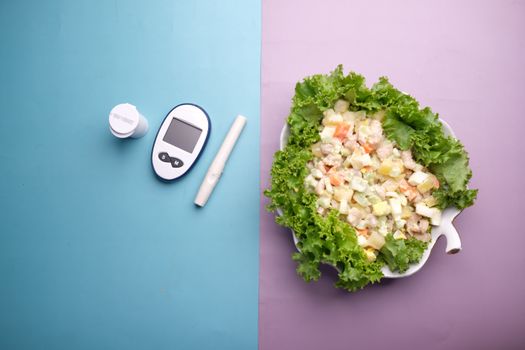 Photo: Towfiqu barbhuiya / Pexels
While genetics and certain medical conditions contribute to
what causes high blood pressure, lifestyle factors are arguably the most powerful and modifiable determinants of your blood pressure health. These are the aspects of your daily life that you have direct control over, and making positive changes can significantly lower your risk of developing hypertension or help manage an existing diagnosis. Understanding these connections empowers you to take proactive steps towards better cardiovascular well-being.
Diet is a cornerstone of blood pressure management. A diet high in sodium is a primary culprit. Sodium causes your body to retain fluid, which increases blood volume and, consequently, the pressure against your artery walls. The average American diet often far exceeds recommended sodium limits, largely due to processed foods, restaurant meals, and cured meats. Conversely, a diet rich in potassium, found in fruits, vegetables, and some dairy, helps balance sodium levels and relax blood vessel walls. The DASH (Dietary Approaches to Stop Hypertension) diet, emphasizing fruits, vegetables, whole grains, lean protein, and low-fat dairy while limiting saturated and trans fats, cholesterol, and sodium, is a prime example of a heart-healthy eating pattern.
Physical inactivity is another major risk factor. Regular exercise makes your heart stronger and more efficient at pumping blood, which reduces the force on your arteries. It also helps manage weight, reduce stress, and improve insulin sensitivity, all of which contribute to healthier blood pressure levels. Even moderate physical activity, like brisk walking for 30 minutes most days of the week, can make a significant difference. Sedentary lifestyles, characterized by prolonged sitting, are associated with a higher risk of hypertension, independent of other exercise habits.
Obesity and being overweight are strongly linked to high blood pressure. The more you weigh, the more blood you need to supply oxygen and nutrients to your tissues. As blood volume increases, so does the pressure on your artery walls. Additionally, excess weight can lead to increased heart rate and reduced blood vessel elasticity. Fat cells, particularly those around the abdomen, are metabolically active and can release hormones that affect blood pressure regulation. Losing even a small amount of weight can have a profound positive impact on blood pressure readings.
Excessive alcohol consumption can also raise blood pressure. While moderate alcohol intake (up to one drink per day for women, two for men) might have some cardiovascular benefits for certain individuals, drinking too much can significantly increase blood pressure. Alcohol can temporarily increase heart rate and may interfere with medications. Over time, heavy drinking can damage blood vessels and lead to chronic hypertension. Limiting or avoiding alcohol is a crucial step for many in controlling their blood pressure.
Finally, chronic stress, while not a direct cause of long-term hypertension in the same way diet or inactivity are, can contribute significantly. Stress hormones like cortisol and adrenaline temporarily constrict blood vessels and increase heart rate. If stress is ongoing, these temporary spikes can lead to artery damage and inflammation, potentially contributing to long-term high blood pressure. Effective stress management techniques, such as meditation, yoga, deep breathing exercises, and spending time in nature, are vital components of a holistic approach to blood pressure control. By focusing on these controllable lifestyle elements, individuals can dramatically improve their blood pressure health and reduce their risk of serious cardiovascular complications.
Preventative Measures and Managing Your Blood Pressure Risks
 Photo: Andrea Piacquadio / Pexels
Understanding what causes high blood pressure is only half the battle; the other half is actively working to prevent it or manage it effectively. The good news is that many of the risk factors for hypertension are modifiable, meaning you have the power to make changes that can dramatically improve your cardiovascular health. Proactive steps, often involving simple yet consistent lifestyle adjustments, can help you maintain healthy blood pressure levels and significantly reduce your risk of serious complications like heart attack, stroke, and kidney disease.
Here are key preventative measures and management strategies:
* **Regular Blood Pressure Monitoring:** This is paramount, especially since hypertension often has no noticeable symptoms. Get your blood pressure checked at least once every two years, or more frequently if you have risk factors or a family history. Home blood pressure monitors can be invaluable for tracking your readings between doctor's visits and providing a more accurate picture of your average blood pressure over time.
* **Embrace a Heart-Healthy Diet:** Focus on the DASH diet principles. Increase your intake of fruits, vegetables, whole grains, and lean proteins. Drastically reduce processed foods, sugary drinks, and foods high in saturated and trans fats. Pay close attention to sodium content – aim for less than 2,300 milligrams (mg) per day, and ideally less than 1,500 mg if you have hypertension or are at high risk. Opt for fresh ingredients and season with herbs and spices instead of salt.
* **Prioritize Physical Activity:** Aim for at least 150 minutes of moderate-intensity aerobic exercise or 75 minutes of vigorous-intensity aerobic exercise per week, spread throughout the week. This could include brisk walking, jogging, cycling, swimming, or dancing. Incorporate strength training at least two days a week. Even small increases in activity, like taking the stairs or parking further away, contribute to better health.
* **Maintain a Healthy Weight:** If you're overweight or obese, losing even 5-10% of your body weight can significantly lower blood pressure. Combine dietary changes with increased physical activity for sustainable weight loss. Consult with a healthcare professional or a registered dietitian for personalized guidance.
* **Limit Alcohol Intake:** If you drink alcohol, do so in moderation. For healthy adults, this means up to one drink per day for women and up to two drinks per day for men. One drink is typically defined as 12 ounces of beer, 5 ounces of wine, or 1.5 ounces of 80-proof distilled spirits.
* **Quit Smoking:** Smoking directly damages blood vessel walls, hardens arteries, and increases blood pressure. Quitting smoking is one of the most impactful things you can do for your overall health, including your blood pressure. Seek support from your doctor or cessation programs.
* **Manage Stress Effectively:** Chronic stress can contribute to high blood pressure. Identify your stressors and develop healthy coping mechanisms such as mindfulness, meditation, yoga, deep breathing exercises, spending time in nature, or engaging in hobbies you enjoy. Adequate sleep is also crucial for stress management and overall health.
* **Get Enough Quality Sleep:** Poor sleep quality or insufficient sleep can contribute to high blood pressure. Aim for 7-9 hours of quality sleep per night. If you suspect you have a sleep disorder like sleep apnea, consult your doctor for diagnosis and treatment.
* **Adhere to Medical Advice:** If you've been diagnosed with hypertension, it's crucial to follow your doctor's recommendations, including taking prescribed medications as directed. Do not stop or adjust medication without consulting your healthcare provider, even if your blood pressure readings improve. Regular follow-up appointments are essential to monitor your condition and adjust treatment as needed.
By integrating these strategies into your daily life, you can take significant control over your blood pressure, reducing your risk of developing hypertension and protecting your long-term cardiovascular health. Remember, consistency is key, and even small, sustainable changes can lead to profound improvements over time.
