
Understanding Your Blood Test Results: A Comprehensive Guide
understanding your blood test results

Understanding Your Blood Test Results: A Comprehensive Guide

Unlock the secrets of your health data and gain confidence in discussions with your healthcare provider about your well-being.

Start Learning Now

Key Takeaways

  • ✓ Blood tests offer a snapshot of your internal health, revealing crucial information about organ function, nutrient levels, and potential diseases.
  • ✓ Common tests like CBC, CMP, and lipid panels provide insights into blood cell counts, metabolic functions, and cardiovascular risk.
  • ✓ Normal ranges can vary slightly based on age, sex, and laboratory, so always discuss results with your doctor.
  • ✓ Empowering yourself with knowledge about your blood work fosters proactive health management and better communication with medical professionals.

How It Works

1
Receive Your Results

After your blood draw, your samples are analyzed in a lab. Your doctor will typically review the results first and then share them with you, often through an online patient portal or during a follow-up appointment.

2
Identify Key Markers

Your blood test report will list various components (e.g., glucose, cholesterol, white blood cells) along with their measured values. Familiarize yourself with the names of the tests performed.

3
Compare to Reference Ranges

Each marker will have a 'normal' or 'reference' range provided, often with high/low indicators. Compare your values to these ranges to see if they fall within expected parameters.

4
Discuss with Your Doctor

Always discuss your results with your healthcare provider. They can provide personalized interpretation, explain any deviations from normal, and recommend next steps based on your overall health history.

Demystifying the Complete Blood Count (CBC) and Its Health Implications

Detailed microscopic imagery of microorganisms at high magnification. Photo: turek / Pexels
The Complete Blood Count, or CBC, is one of the most common and informative blood tests performed, offering a broad snapshot of your overall health. It measures several components of your blood, providing vital clues about various conditions, from infections and inflammation to anemia and even certain cancers. Understanding the CBC involves looking at three main types of blood cells: red blood cells, white blood cells, and platelets. Each plays a distinct role in your body's function, and abnormalities in their counts can signal underlying issues. Red Blood Cells (RBCs) are responsible for carrying oxygen from your lungs to the rest of your body and transporting carbon dioxide back to the lungs. Key measurements related to RBCs in a CBC include the Red Blood Cell Count itself, Hemoglobin (the protein in RBCs that carries oxygen), and Hematocrit (the percentage of your blood volume made up of RBCs). Low levels of these often indicate anemia, a condition characterized by insufficient oxygen delivery to tissues, leading to fatigue, weakness, and shortness of breath. Anemia can stem from various causes, including iron deficiency, vitamin B12 deficiency, chronic diseases, or blood loss. Conversely, abnormally high RBC counts, a condition known as polycythemia, can indicate dehydration, lung disease, or other rare disorders, and can increase the risk of blood clots. Your doctor will consider your symptoms and other test results to pinpoint the exact cause of any RBC irregularities. White Blood Cells (WBCs), also known as leukocytes, are the body's primary defense against infection and disease. A CBC measures the total WBC count and often includes a 'WBC differential,' which breaks down the count into five major types: neutrophils, lymphocytes, monocytes, eosinophils, and basophils. Each type has a specific role in the immune response. An elevated total WBC count (leukocytosis) often points to an infection, inflammation, or stress. It can also be a sign of more serious conditions like leukemia. Conversely, a low total WBC count (leukopenia) can be caused by viral infections, bone marrow problems, autoimmune diseases, or certain medications, leaving you more vulnerable to infections. The differential helps narrow down the cause; for example, high neutrophils often suggest bacterial infection, while high lymphocytes might indicate a viral infection. Consulting your physician about these specifics is crucial for accurate diagnosis and treatment. Platelets are tiny cell fragments essential for blood clotting. When you get a cut, platelets rush to the site to form a plug, stopping the bleeding. A CBC measures your platelet count. A low platelet count (thrombocytopenia) can increase your risk of bruising and bleeding, potentially caused by viral infections, certain medications, autoimmune disorders, or bone marrow issues. A high platelet count (thrombocytosis) can also be problematic, increasing the risk of blood clots, and may be a sign of inflammation, infection, or a bone marrow disorder. Understanding these basic components of the CBC empowers you to have more informed conversations with your doctor about your health status and potential concerns.

Interpreting Metabolic Panels: CMP and Lipid Profiles

A lab technician wearing gloves uses a centrifuge for blood analysis in a modern laboratory setting. Photo: www.kaboompics.com / Pexels
Beyond the CBC, metabolic panels offer critical insights into your body's chemical balance and organ function. The Comprehensive Metabolic Panel (CMP) is a powerful diagnostic tool that assesses kidney function, liver function, electrolyte balance, and blood sugar levels. It typically includes 14 different tests, providing a broad overview of your metabolic health. Key components of the CMP include glucose, which measures your blood sugar level and is crucial for diagnosing and monitoring diabetes. High glucose levels can indicate insulin resistance or diabetes, while low levels can lead to hypoglycemia. Electrolytes like sodium, potassium, chloride, and bicarbonate are vital for nerve and muscle function, hydration, and maintaining the body's pH balance. Imbalances can be caused by dehydration, kidney issues, heart problems, or certain medications. For instance, abnormal potassium levels can affect heart rhythm, making their monitoring essential. Calcium is also part of the CMP, playing a role in bone health, nerve transmission, and muscle contraction; abnormal levels can point to kidney disease, parathyroid issues, or nutritional deficiencies. Kidney function is assessed through tests like Blood Urea Nitrogen (BUN) and creatinine. These are waste products filtered by the kidneys. Elevated BUN and creatinine levels can indicate impaired kidney function, dehydration, or other kidney-related problems. Liver function is evaluated through liver enzymes such as Alanine Aminotransferase (ALT), Aspartate Aminotransferase (AST), Alkaline Phosphatase (ALP), and bilirubin. Elevated levels of these enzymes can signal liver inflammation, damage, or disease, potentially caused by hepatitis, fatty liver disease, alcohol abuse, or medication side effects. While a single abnormal value might not always be cause for alarm, persistent elevations warrant further investigation by your healthcare provider. The CMP provides a holistic view of several interconnected systems, making it invaluable for monitoring chronic conditions and assessing overall organ health. Another crucial metabolic panel is the Lipid Panel, which measures the fats (lipids) in your blood, providing essential information about your risk for cardiovascular disease. The main components of a lipid panel are Total Cholesterol, Low-Density Lipoprotein (LDL) cholesterol, High-Density Lipoprotein (HDL) cholesterol, and Triglycerides. Total cholesterol is the sum of all cholesterol in your blood. LDL cholesterol is often referred to as 'bad' cholesterol because high levels can lead to plaque buildup in your arteries (atherosclerosis), increasing your risk of heart attack and stroke. Conversely, HDL cholesterol is considered 'good' cholesterol because it helps remove excess cholesterol from your body, protecting against heart disease. Higher HDL levels are generally desirable. Triglycerides are another type of fat in your blood; high levels, often linked to diet, obesity, and lack of exercise, can also increase the risk of heart disease and pancreatitis. Understanding your lipid profile is a cornerstone of preventative cardiology. Lifestyle modifications, and sometimes medication, are often recommended to manage abnormal lipid levels and mitigate cardiovascular risks. Regular monitoring allows you and your doctor to track your progress and adjust strategies as needed, ensuring a proactive approach to heart health.

Beyond the Basics: Hormones, Nutrients, and Specialized Markers
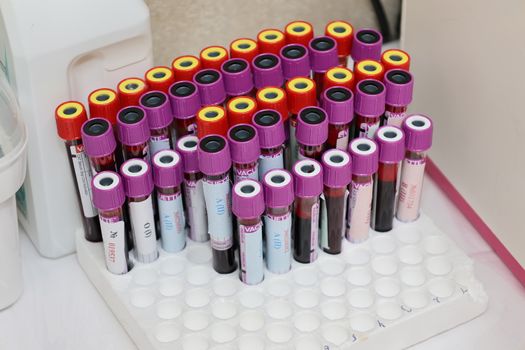
Rows of blood vials in a laboratory setting, ready for analysis. Photo: Tahir Xəlfə / Pexels
While CBCs and CMPs cover foundational aspects of health, many other specialized blood tests delve deeper into specific bodily functions, nutrient levels, and hormonal balances. These tests are often ordered when specific symptoms arise or when a doctor suspects a particular deficiency or condition. Understanding these advanced markers can be just as crucial as the basic panels in piecing together a complete picture of your health. One significant category involves hormonal tests. Hormones are chemical messengers that regulate virtually every process in your body, from metabolism and mood to growth and reproduction. For example, thyroid-stimulating hormone (TSH) is a primary indicator of thyroid function. Abnormal TSH levels, along with free T3 and free T4, can diagnose hypothyroidism (underactive thyroid), leading to fatigue, weight gain, and depression, or hyperthyroidism (overactive thyroid), causing anxiety, weight loss, and rapid heartbeat. Sex hormones like estrogen, progesterone, and testosterone are also frequently tested, especially in cases of infertility, menstrual irregularities, or symptoms related to menopause or andropause. Imbalances in these hormones can have wide-ranging effects on physical and mental well-being, and their proper interpretation requires careful consideration of individual circumstances. Nutrient deficiencies are incredibly common and can profoundly impact health, often manifesting with subtle symptoms. Blood tests for vitamins and minerals are vital for identifying these gaps. Vitamin D, for instance, is crucial for bone health, immune function, and mood regulation. Low levels are prevalent, especially in regions with less sun exposure, and can contribute to fatigue, muscle weakness, and increased risk of infections. Iron levels, beyond what's indicated in a CBC's hemoglobin, can be assessed through tests like ferritin (which reflects iron stores), total iron-binding capacity (TIBC), and transferrin saturation. These provide a more detailed picture of iron status and help differentiate between various types of anemia or iron overload conditions. Similarly, Vitamin B12 and folate levels are essential for nerve function and red blood cell production; deficiencies can lead to neurological symptoms and specific types of anemia. Addressing these deficiencies through diet or supplementation can significantly improve energy levels and overall health. Discussing your dietary habits with your doctor can help identify potential nutrient shortfalls. Specialized markers also include inflammatory markers like C-Reactive Protein (CRP) and Erythrocyte Sedimentation Rate (ESR). Elevated levels of CRP or ESR can indicate inflammation somewhere in the body, which might be due to infection, autoimmune diseases (like rheumatoid arthritis or lupus), or chronic inflammatory conditions. While non-specific, these markers can guide further diagnostic testing. For individuals at risk of specific conditions, cancer markers (tumor markers) like PSA (for prostate cancer) or CA-125 (for ovarian cancer) may be monitored. It's important to remember that these markers are not diagnostic on their own; elevated levels often warrant further imaging or biopsy for confirmation. Similarly, tests for autoimmune diseases, such as antinuclear antibodies (ANA), are used to screen for conditions where the immune system mistakenly attacks the body's own tissues. Understanding the purpose and limitations of these specialized tests allows for more targeted health management and early intervention, providing a deeper understanding of your body's intricate systems and potential vulnerabilities.

Common Pitfalls and Pro Tips for Understanding Your Blood Test Results

Female dentist explaining dental x-ray to a male patient in a modern clinic. Photo: Gustavo Fring / Pexels
Navigating your blood test results can be complex, and it's easy to fall into common pitfalls that can lead to unnecessary anxiety or misunderstanding. One of the biggest mistakes people make is self-diagnosing based solely on internet searches. While online resources can provide general information, they cannot replace the personalized interpretation of a trained medical professional. Reference ranges provided on lab reports are statistical averages, and a value slightly outside this range doesn't automatically mean something is seriously wrong. Many factors, including diet, hydration, medication, time of day, and even recent exercise, can influence results. For example, strenuous activity before a blood draw can temporarily elevate muscle enzymes, or dehydration can concentrate blood components, making some values appear higher. **Pro Tips for Effective Interpretation:** * **Always Review with Your Doctor:** This is paramount. Your doctor understands your medical history, lifestyle, and other medications you may be taking, all of which are crucial for accurate interpretation. They can explain what specific numbers mean in the context of your overall health. * **Ask Questions:** Don't hesitate to ask your doctor to clarify anything you don't understand. Ask what each test measures, why it was ordered, what your results mean, and what the next steps are if any values are abnormal. * **Keep a Record:** Maintain a personal health journal or a digital file of your blood test results over time. This allows you to track trends and see how your numbers change, which can be more informative than a single snapshot. * **Understand 'Normal' Isn't Always 'Optimal':** While falling within the reference range is generally good, some individuals might feel better or have better long-term health outcomes with values in the optimal part of the range rather than just the 'normal' range. Discuss this nuance with your doctor, especially for markers like Vitamin D or cholesterol. * **Prepare for Your Appointment:** Before discussing results, jot down any questions or concerns you have. This ensures you cover all your bases and get the most out of your consultation. * **Don't Panic Over Single Aberrations:** A single abnormal result, especially if it's only slightly outside the normal range, often warrants re-testing or monitoring rather than immediate alarm. Transient issues or lab variations can occur. Your doctor will advise if further action is needed. * **Consider the Full Picture:** No single blood test result tells the whole story. Your doctor will integrate your blood work with your physical exam, symptoms, lifestyle, and other diagnostic tests to form a comprehensive diagnosis and treatment plan.

Comparison

Blood Test TypePrimary FocusKey MarkersCommon Use Cases
Complete Blood Count (CBC)Overall blood cell healthRBC, WBC, Platelets, Hemoglobin, HematocritAnemia, Infection, Inflammation
Comprehensive Metabolic Panel (CMP)Organ function & chemical balanceGlucose, Electrolytes, Kidney/Liver EnzymesDiabetes, Kidney/Liver disease, Hydration
Lipid PanelCardiovascular risk assessmentTotal Cholesterol, LDL, HDL, TriglyceridesHeart disease risk, Atherosclerosis
Thyroid PanelThyroid gland functionTSH, Free T3, Free T4Hypothyroidism, Hyperthyroidism
Vitamin D TestBone health & immune function25-hydroxyvitamin DVitamin D deficiency, Osteoporosis

What Readers Say

"This guide made understanding my blood test results so much clearer. I used to just nod along with my doctor, but now I can ask informed questions about my CBC and cholesterol levels. It's truly empowering!"

Sarah J. · Austin, TX

"As someone with pre-diabetes, interpreting my CMP results is critical. This article broke down glucose and electrolyte information in an easy-to-digest way, helping me better manage my diet."

Mark T. · Miami, FL

"I was concerned about my low iron, and this guide helped me understand the difference between hemoglobin and ferritin. After applying the advice, my doctor confirmed my iron levels are improving."

Jessica L. · Seattle, WA

"Very thorough overview. While some medical terms are still a bit complex, the explanations for CBC and lipid panels were excellent. I particularly appreciated the tips on what questions to ask my doctor."

David P. · Denver, CO

"My doctor recommended I educate myself more about my health. This resource on understanding your blood test results is a fantastic starting point, covering everything from basic panels to specialized hormone tests."

Emily R. · Chicago, IL

Frequently Asked Questions

What is the most important thing to remember when understanding your blood test results?

The most important thing is to always discuss your results with your healthcare provider. While this guide provides general information, only your doctor can interpret your specific results in the context of your personal medical history, symptoms, and overall health, and recommend appropriate next steps.

Should I worry if a single value is slightly outside the normal range?

Not necessarily. A single value slightly outside the reference range doesn't always indicate a serious problem. Many factors, including hydration, diet, stress, medications, and even the time of day, can affect blood test results. Your doctor will determine if further investigation or monitoring is needed.

How can I prepare for my doctor's appointment to discuss blood test results?

To make the most of your appointment, review your results beforehand if possible and jot down any questions or concerns you have. Ask your doctor to explain any unfamiliar terms, what specific numbers mean for you, and what the recommended next steps are.

Are blood tests expensive, and are they usually covered by insurance?

The cost of blood tests varies widely depending on the specific tests ordered and your insurance plan. Most routine blood tests are covered by health insurance, especially when ordered by a doctor for diagnostic or preventative purposes. It's always best to check with your insurance provider for coverage details.

How do blood tests compare to other diagnostic tools like imaging or physical exams?

Blood tests provide a biochemical snapshot of your internal health, revealing information about organ function, nutrient levels, and disease markers. Imaging (like X-rays, MRIs) shows structural details, and physical exams assess outward signs and symptoms. They are complementary tools, with each offering unique insights that contribute to a comprehensive diagnosis.

Who should be regularly checking their blood test results?

Anyone concerned about their health, especially those with chronic conditions, family history of certain diseases, or on long-term medications, should regularly review their blood test results with their doctor. Routine check-ups often include standard blood panels for general health monitoring.

Are there any risks associated with getting a blood test?

Blood tests are generally very safe. Minor risks include slight pain or bruising at the needle site, lightheadedness, or, rarely, infection. These risks are minimal, and the diagnostic benefits of blood tests far outweigh them for most individuals.

What future trends are emerging in blood test diagnostics?

Future trends include less invasive testing methods (e.g., liquid biopsies for cancer detection), more personalized interpretations using AI and genetic data, and point-of-care testing for quicker results. These advancements aim to make diagnostics more accessible, precise, and integrated into proactive health management.

Empower yourself with knowledge by understanding your blood test results. This guide is a starting point, but always remember that personalized medical advice from your doctor is invaluable for navigating your unique health journey.

Topics: understanding your blood test resultsinterpreting blood workblood test interpretationcommon blood markershealth diagnostics
Leo List
Brampton weed
Adultwork