Understanding High Blood Pressure Readings: Your Guide
understanding high blood pressure readings

Understanding High Blood Pressure Readings: Your Guide

Empower yourself with clear insights into your blood pressure numbers for better health management.

Start Learning Now

Key Takeaways

  • ✓ Blood pressure is measured in millimeters of mercury (mmHg) and represented by two numbers: systolic (top) and diastolic (bottom).
  • ✓ Normal blood pressure is typically considered to be less than 120/80 mmHg.
  • ✓ High blood pressure (hypertension) often has no symptoms, making regular monitoring crucial.
  • ✓ Consistent high readings require medical evaluation to prevent serious health complications.

How It Works

1
Measure Accurately

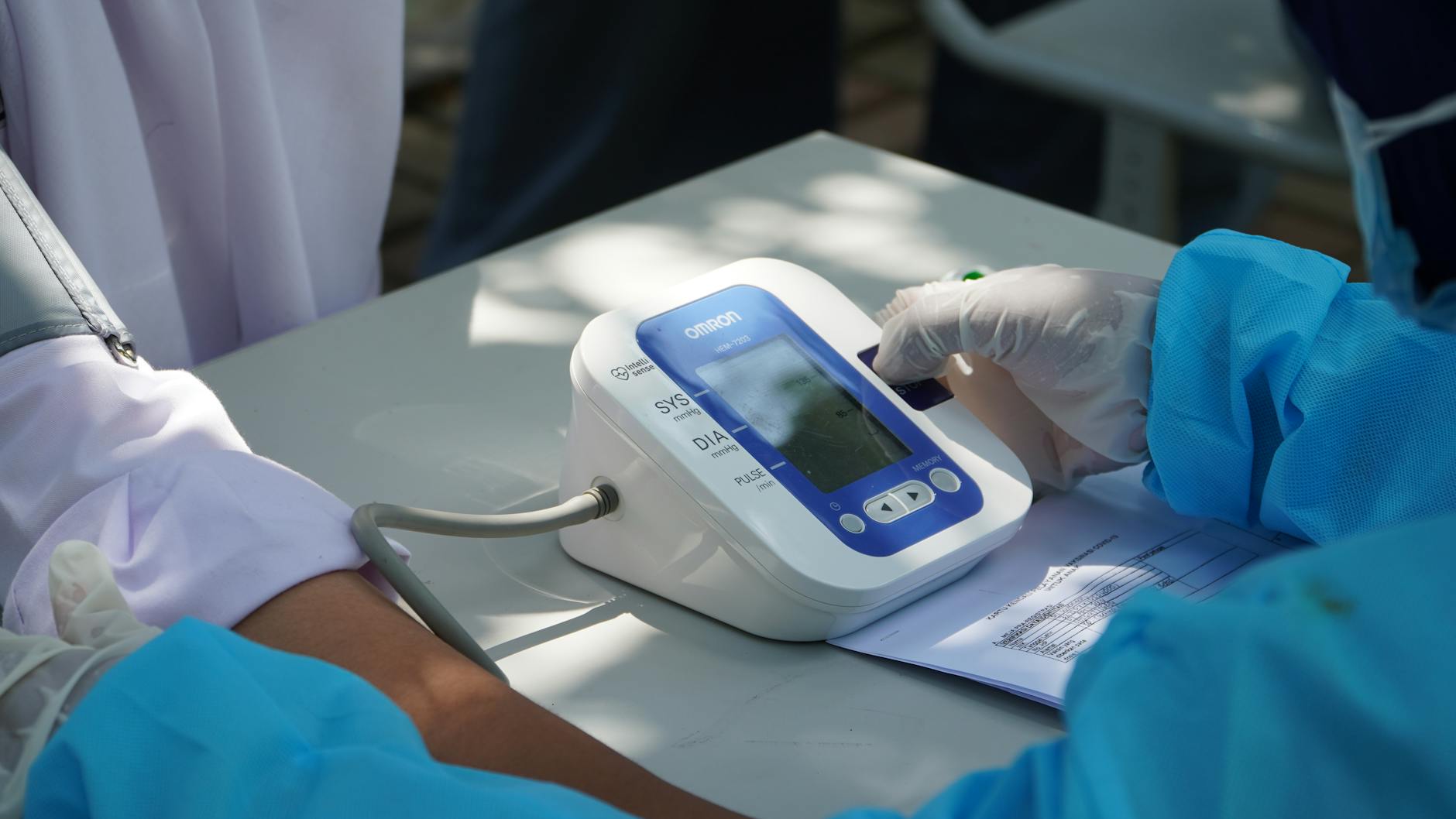
Use a validated home blood pressure monitor correctly. Ensure you are relaxed, seated, and have followed preparation guidelines.

2
Record Your Readings

Keep a consistent log of your measurements, including date, time, and both systolic and diastolic numbers. This helps identify patterns.

3
Interpret the Numbers

Compare your readings to established guidelines for normal, elevated, and hypertensive stages. Understand what each number signifies for your heart.

4
Consult Your Doctor

Share your recorded readings with your healthcare provider. They will help you understand the implications and develop a personalized management plan.

Demystifying Blood Pressure Numbers: Systolic and Diastolic Explained

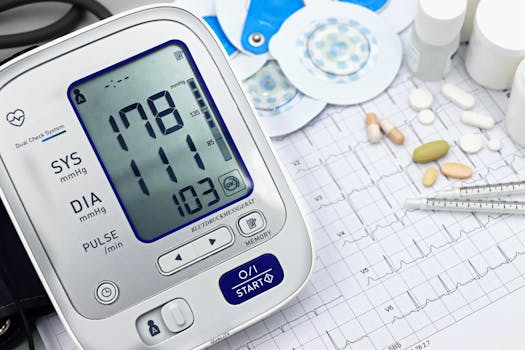
When you get your blood pressure checked, you're given two numbers, often expressed as a fraction, like 120/80 mmHg. For many, these numbers can seem like an arbitrary code, but understanding these high blood pressure readings is foundational to managing your cardiovascular health. The top number is your systolic pressure, and the bottom number is your diastolic pressure. Let's break down what each signifies. Systolic blood pressure, the first and higher number, measures the pressure in your arteries when your heart beats, pushing blood out into your body. Think of it as the 'peak' pressure your arteries experience. A healthy systolic reading indicates that your heart is efficiently pumping blood without excessive force that could strain your blood vessels. Elevated systolic pressure can be a significant indicator of cardiovascular risk, even if your diastolic pressure is within a normal range. This is particularly true for older adults, as systolic hypertension becomes more common with age due to the stiffening of arteries. Diastolic blood pressure, the second and lower number, measures the pressure in your arteries when your heart rests between beats. This is the 'resting' pressure, indicating how well your arteries relax and allow blood to flow smoothly when the heart is refilling. A healthy diastolic reading suggests that your arteries are flexible and not under constant, undue tension. Historically, diastolic pressure was often considered the primary indicator of hypertension. While both numbers are crucial, modern understanding recognizes the importance of both systolic and diastolic pressures in assessing overall cardiovascular risk. High diastolic pressure can also indicate increased risk for heart disease and stroke. It's important to remember that a single high reading doesn't automatically mean you have hypertension. Blood pressure naturally fluctuates throughout the day due to various factors like stress, physical activity, caffeine intake, and even temperature. What's more critical is a consistent pattern of elevated readings over time. This is why healthcare professionals often recommend multiple readings taken at different times and under similar conditions, especially when monitoring at home. Understanding the difference between systolic and diastolic pressure, and what each represents, is the first step towards a more informed approach to your health. Don't hesitate to ask your doctor for clarification if any of your readings are unclear or cause concern. They can provide personalized insights based on your overall health profile and risk factors, guiding you on the best course of action for maintaining optimal blood pressure levels.

Interpreting Blood Pressure Categories: What Do Your Numbers Mean?

Once you have your blood pressure numbers, the next crucial step in understanding high blood pressure readings is to interpret them within established medical categories. These categories provide a standardized framework for assessing cardiovascular risk and guiding treatment decisions. The American Heart Association (AHA) and American College of Cardiology (ACC) provide comprehensive guidelines, which are widely used in the United States. Familiarizing yourself with these ranges is essential for anyone monitoring their blood pressure. **Normal Blood Pressure:** A reading of less than 120/80 mmHg is considered normal. If your readings consistently fall within this range, it indicates a healthy cardiovascular system. Continue to maintain a heart-healthy lifestyle, including a balanced diet, regular exercise, and avoiding smoking, to keep your blood pressure in this optimal zone. **Elevated Blood Pressure:** This category applies when your systolic pressure is between 120-129 mmHg and your diastolic pressure is less than 80 mmHg. Elevated blood pressure is not yet high blood pressure, but it's a warning sign. It means you're at an increased risk of developing hypertension in the future. Doctors typically recommend lifestyle modifications at this stage, such as dietary changes (reducing sodium intake), increasing physical activity, and managing stress. Monitoring your blood pressure more frequently is also advisable. **High Blood Pressure (Hypertension) Stage 1:** This stage is diagnosed when systolic pressure consistently ranges from 130-139 mmHg or diastolic pressure ranges from 80-89 mmHg. At this point, your doctor will likely recommend lifestyle changes, and in some cases, medication may be considered, especially if you have other cardiovascular risk factors like diabetes or kidney disease. Regular follow-up and consistent monitoring are crucial to prevent progression. **High Blood Pressure (Hypertension) Stage 2:** This is a more severe form of hypertension, characterized by consistent systolic readings of 140 mmHg or higher, or diastolic readings of 90 mmHg or higher. Individuals in Stage 2 hypertension almost always require a combination of lifestyle changes and blood pressure medication to bring their numbers under control. The risk of heart attack, stroke, and other serious complications is significantly elevated at this stage, making aggressive management imperative. **Hypertensive Crisis:** This is a medical emergency. If your blood pressure suddenly exceeds 180/120 mmHg, you should seek immediate medical attention. If you experience symptoms like chest pain, shortness of breath, back pain, numbness/weakness, vision changes, or difficulty speaking, call 911 immediately. Even without symptoms, a reading this high warrants urgent evaluation by a doctor. Understanding these categories empowers you to have informed conversations with your healthcare provider and actively participate in your blood pressure management plan. Remember, these are guidelines, and your doctor will consider your individual health profile for diagnosis and treatment.

Factors Influencing Your Readings: Beyond Just the Cuff

While the blood pressure cuff provides the immediate numbers, understanding high blood pressure readings requires acknowledging the myriad of factors that can influence them. It's not just about the moment the cuff inflates; your lifestyle, environment, and even your emotional state play a significant role. Being aware of these influences helps in obtaining more accurate readings and in interpreting them correctly, rather than panicking over a single outlier. **Lifestyle Choices:** Your daily habits have a profound impact. A diet high in sodium, saturated fats, and cholesterol can directly contribute to elevated blood pressure. Conversely, a diet rich in fruits, vegetables, whole grains, and lean proteins (like the DASH diet) can help lower it. Lack of regular physical activity is another major contributor to hypertension. Exercise strengthens your heart, making it more efficient at pumping blood and reducing the force on your arteries. Smoking and excessive alcohol consumption are also well-known culprits that damage blood vessels and raise blood pressure significantly. Quitting smoking and moderating alcohol intake are among the most impactful changes you can make. **Stress and Emotions:** Stress, anxiety, and even excitement can cause a temporary spike in blood pressure. This is often referred to as 'white coat hypertension' if it only occurs in a medical setting due to nervousness. While these spikes are usually temporary, chronic stress can contribute to long-term hypertension. Learning stress management techniques, such as mindfulness, meditation, deep breathing exercises, or engaging in hobbies, can be beneficial for both your mental well-being and your blood pressure. **Medications and Medical Conditions:** Certain medications can affect blood pressure. These include over-the-counter decongestants, some pain relievers (NSAIDs), oral contraceptives, and even some herbal supplements. Always inform your doctor about all medications and supplements you are taking. Furthermore, underlying medical conditions like kidney disease, thyroid disorders, sleep apnea, and diabetes can directly impact blood pressure regulation. Managing these conditions effectively is crucial for blood pressure control. **Environmental and Positional Factors:** Simple things like cuff size, arm position, recent activity, or even a full bladder can skew readings. Using a cuff that's too small or too large, not resting for a few minutes before a reading, talking during the measurement, or having your arm unsupported can all lead to inaccurate results. Always follow proper measurement techniques. Even the time of day can influence readings, with blood pressure typically lower at night and rising in the morning. Consistent measurement times can help track patterns more effectively. **Age and Genetics:** While not modifiable, age is a significant factor. Blood pressure tends to increase with age as arteries stiffen. Genetics also play a role; if close family members have hypertension, your risk may be higher. While you can't change these factors, knowing about them emphasizes the importance of proactive monitoring and management. By considering all these influences, you gain a more holistic picture of your blood pressure health, allowing for more accurate interpretation and effective management strategies.

Monitoring at Home: Tips for Accurate Readings and Avoiding Common Mistakes

Regular home blood pressure monitoring is a powerful tool for understanding high blood pressure readings and managing your health. It provides a more comprehensive picture of your blood pressure trends than occasional clinic visits, helping to detect 'white coat hypertension' or 'masked hypertension' (normal in clinic, high at home). However, the accuracy of home readings hinges on proper technique and avoiding common pitfalls. Here are essential tips for getting reliable measurements: **1. Choose the Right Monitor:** * **Automatic Cuff-Style Monitor:** Opt for an automatic, cuff-style bicep (upper arm) monitor. Wrist and finger monitors are generally less accurate and not recommended by most medical professionals for routine monitoring. * **Validation:** Ensure your monitor has been clinically validated for accuracy. Look for labels from organizations like the American Medical Association (AMA) or other reputable bodies. * **Cuff Size:** Use the correct cuff size. A cuff that's too small will give artificially high readings, while one that's too large will yield artificially low ones. Measure your arm circumference and choose accordingly. **2. Prepare for Your Reading:** * **Avoid Stimulants:** Do not consume caffeine, alcohol, or tobacco for at least 30 minutes before measuring. * **Empty Bladder:** A full bladder can slightly increase blood pressure. Use the restroom before taking a reading. * **Rest:** Sit quietly for at least 5 minutes before taking your blood pressure. Avoid talking during this time and during the measurement itself. **3. Proper Positioning:** * **Seated Position:** Sit upright in a chair with your back supported and your feet flat on the floor, uncrossed. * **Arm Placement:** Rest your arm on a flat surface, such as a table, so that the cuff is at heart level. If your arm is hanging down or held up, it can affect the reading. * **Cuff Application:** Place the cuff directly on your bare skin, not over clothing. Ensure it's snug but not too tight – you should be able to slide two fingers underneath. **4. Take Multiple Readings:** * **Consistency:** Take your blood pressure at the same time each day, usually in the morning before medication and in the evening. * **Multiple Measurements:** Take two or three readings, one minute apart, and record the average. Discard any readings that are significantly different from the others. **5. Keep a Detailed Log:** * **Record Everything:** Note the date, time, systolic, and diastolic readings. Some monitors have built-in memory, but a written log or app can be helpful for tracking trends. * **Share with Doctor:** Bring your log to every doctor's appointment. This data is invaluable for your healthcare provider in diagnosing and managing hypertension. **Common Mistakes to Avoid:** * **Not resting:** Rushing into a reading after activity or stress. * **Incorrect cuff size:** Leads to consistently inaccurate numbers. * **Talking or moving:** Any movement or speech during measurement can elevate readings. * **Arm position:** Arm not at heart level or unsupported. * **Measuring over clothing:** Interferes with cuff compression. * **Only taking one reading:** A single reading can be an outlier; averages are more reliable. By diligently following these guidelines, you can ensure that your home blood pressure readings are as accurate as possible, providing meaningful data for you and your healthcare team to make informed decisions about your cardiovascular health.

Comparison

Blood Pressure CategorySystolic (mmHg)Diastolic (mmHg)Action Recommended
NormalLess than 120Less than 80Maintain healthy lifestyle
Elevated120-129Less than 80Lifestyle changes, monitor
Hypertension Stage 1130-13980-89Lifestyle changes, possibly meds
Hypertension Stage 2140 or higher90 or higherLifestyle changes, medication
Hypertensive CrisisHigher than 180Higher than 120Emergency medical attention

What Readers Say

"This article finally made understanding my high blood pressure readings simple! The explanations of systolic vs. diastolic and the category chart are incredibly clear. I feel much more confident discussing my numbers with my doctor now."

Sarah J. · Austin, TX

"As someone recently diagnosed with hypertension, I was overwhelmed. This guide broke down all the crucial information, from proper home monitoring to the factors influencing my readings. Truly a lifesaver for navigating my health."

Mark D. · Miami, FL

"After reading this, I realized I was making several mistakes with my home blood pressure monitor. Correcting my technique led to more consistent and accurate readings, which helped my doctor adjust my medication more effectively."

Emily R. · Chicago, IL

"The information provided here is comprehensive and well-organized. While some medical terms are complex, the article does a good job of simplifying them. I particularly appreciated the section on lifestyle factors and their impact."

David L. · Seattle, WA

"I shared this article with my parents who are both monitoring their blood pressure. They found it extremely helpful, especially the tips for accurate home measurements. It's a great resource for anyone looking to understand their numbers better."

Jessica M. · Denver, CO

Frequently Asked Questions

What is the most important number in a blood pressure reading?

Both systolic (top number) and diastolic (bottom number) blood pressure are important indicators of cardiovascular health. While systolic pressure is often a stronger predictor of risk, especially for older adults, both numbers are used together to categorize blood pressure and assess overall risk. Your doctor considers both in context with your other health factors.

My blood pressure is sometimes high, sometimes normal. Do I have hypertension?

Occasional high readings don't automatically mean you have hypertension. Blood pressure fluctuates. Hypertension is diagnosed based on consistent elevated readings over time, often taken on separate occasions. If you have fluctuating readings, discuss them with your doctor, who may recommend home monitoring to establish a pattern.

How often should I check my blood pressure at home?

If you have normal blood pressure, occasional checks are sufficient. If you have elevated blood pressure or hypertension, your doctor will advise on frequency, which could be daily or several times a week. It's often recommended to take readings at the same time each day (e.g., morning and evening) and take multiple readings each session.

Are home blood pressure monitors accurate, and how much do they cost?

Yes, many home blood pressure monitors are very accurate, especially upper-arm cuff models that have been clinically validated. They typically range in price from $30 to $100, making them an affordable tool for managing your health. It's crucial to choose a validated monitor with the correct cuff size for reliable results.

How does 'white coat hypertension' differ from true hypertension?

'White coat hypertension' refers to elevated blood pressure readings that occur only in a medical setting, likely due to anxiety or stress, but are normal at home. True hypertension involves consistently high blood pressure readings in all settings. Home monitoring is key to distinguishing between the two, as white coat hypertension usually doesn't require medication.

Who should be concerned about understanding high blood pressure readings?

Everyone should understand their blood pressure readings, but it's especially critical for individuals over 40, those with a family history of hypertension, people who are overweight or obese, individuals with diabetes or kidney disease, and anyone experiencing symptoms that could be related to high blood pressure. Proactive understanding empowers better health management.

What are the risks of ignoring consistently high blood pressure readings?

Ignoring consistently high blood pressure readings can lead to severe health complications. Uncontrolled hypertension significantly increases the risk of heart attack, stroke, heart failure, kidney disease, vision loss, and sexual dysfunction. Early understanding and management are vital to prevent these long-term consequences and maintain overall well-being.

What are emerging technologies for monitoring blood pressure?

Beyond traditional cuffs, researchers are developing wearable devices like smartwatches with blood pressure monitoring capabilities, continuous blood pressure sensors, and even smartphone apps that use optical sensors. While promising, many are still in development or require further validation for medical accuracy. Always consult your doctor before relying solely on unvalidated technologies.

Empower yourself by mastering the art of understanding high blood pressure readings. This knowledge is your first and most vital step towards proactive health management, allowing you to work effectively with your healthcare provider to protect your heart and ensure a healthier future.

Topics: understanding high blood pressure readingsblood pressure numbers explainedhypertension interpretationmonitor blood pressure at homenormal blood pressure range
Leo List

DK Escorts LU Escorts AT Escorts SE Escorts FI Escorts CH Escorts DE Escorts HR Escorts IE Escorts GR Escorts CZ Escorts NO Escorts BE Escorts FR Escorts SI Escorts IL Escorts NL Escorts PL Escorts HU Escorts ES Escorts IT Escorts PT Escorts SK Escorts RO Escorts ZA Escorts UY Escorts US Escorts UK Escorts NZ Escorts AU Escorts
Brampton weed
Adultwork EstrelaBet Vai de Bet R7 Bet Betão Galera Bet Rainbet Bet9ja Shop SportyBet BetKing Sisal Loto Foot Hollywoodbets YesPlay Odibets RushBet Jugabet BetWarrior BetCity MSport betPawa Fortebet