Top Telemedicine Companies for Mental Health: Your Guide
telemedicine companies for mental health

Top Telemedicine Companies for Mental Health: Your Guide

Navigate the landscape of virtual mental health care to find the right support for your well-being, conveniently and effectively.

Find Your Match

Key Takeaways

  • ✓ Telemedicine for mental health offers convenience, accessibility, and often lower costs than traditional in-person care.
  • ✓ Services include therapy, medication management, and psychiatric evaluations, all conducted virtually.
  • ✓ Many platforms accept insurance, but coverage varies significantly.
  • ✓ Choosing the right platform depends on your specific needs, budget, and preferred type of care.
  • ✓ State licensing laws dictate where therapists can practice, impacting provider availability.

How It Works

1
Sign Up & Assessment

You'll typically create an account and complete an initial questionnaire about your mental health history and current needs. This helps the platform understand your requirements.

2
Provider Matching

Based on your assessment, the platform will match you with licensed therapists or psychiatrists. You often have the option to review profiles and choose your preferred provider.

3
Virtual Sessions

Connect with your chosen provider through secure video calls, phone calls, or messaging within the platform. Sessions are scheduled at your convenience.

4
Ongoing Support

Continue with regular sessions, receive medication management if needed, and access resources. Your care plan is tailored and adjusted as your needs evolve.

The Rise of Online Mental Health Services: Accessibility and Convenience
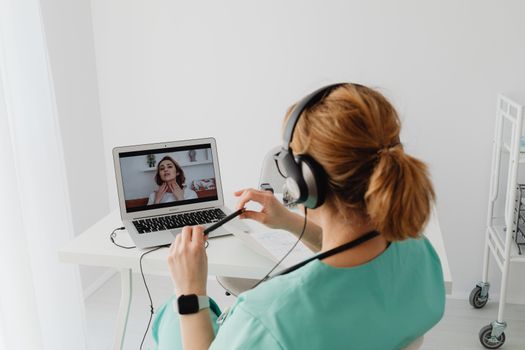
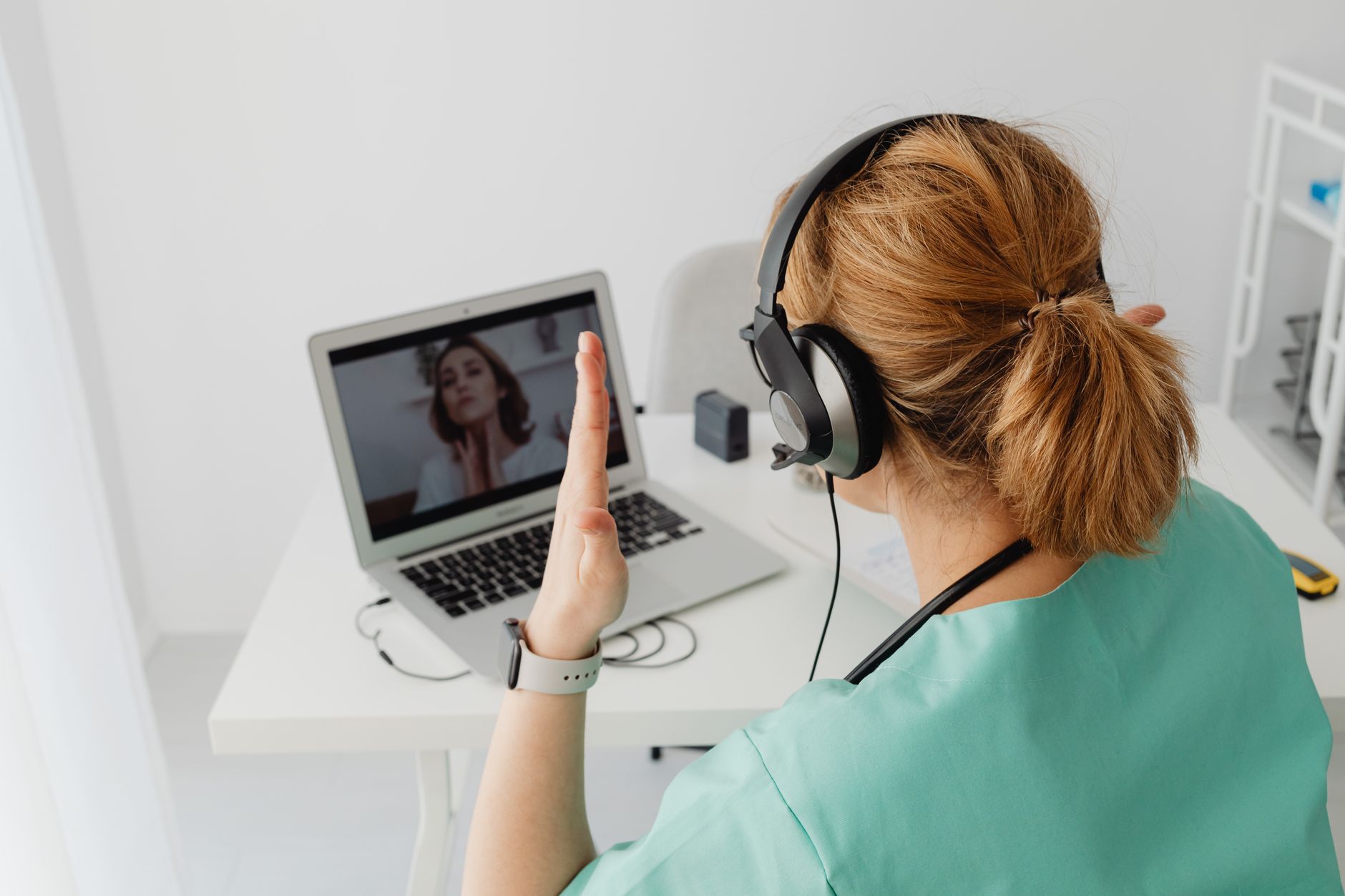
A doctor conducting an online consultation with a patient via laptop in a modern office setting. Photo: www.kaboompics.com / Pexels
The landscape of mental healthcare has undergone a profound transformation in recent years, largely driven by the advent and widespread adoption of telemedicine. For millions of Americans, traditional in-person therapy or psychiatric visits presented significant barriers: geographical distance from providers, rigid scheduling conflicts with work or family commitments, the stigma associated with seeking mental health support, and often, the sheer difficulty of finding a qualified professional accepting new patients. Telemedicine companies for mental health have emerged as a powerful solution, dismantling many of these obstacles and democratizing access to crucial care. At its core, online mental health services leverage digital communication technologies – video conferencing, secure messaging, and phone calls – to connect patients with licensed mental health professionals from the comfort and privacy of their own homes. This shift is not merely about convenience; it's about fundamentally rethinking how mental healthcare is delivered to make it more inclusive and responsive to modern life. Imagine being able to attend a therapy session during your lunch break without the commute, or having a psychiatric consultation from a rural area where specialists are scarce. These are the realities that telemedicine has brought to the forefront. The benefits extend beyond just convenience. For individuals with mobility issues, chronic illnesses, or social anxiety, the virtual format can be a lifeline, making it possible to engage in therapy when an in-person visit would be overwhelming or impossible. Furthermore, the discreet nature of online platforms can reduce the perceived stigma, encouraging more people to seek help who might otherwise hesitate. Many platforms also offer a wider pool of providers, increasing the chances of finding a therapist who specializes in specific conditions or shares cultural understandings, which is vital for effective treatment. This expanded access is particularly critical in the US, where mental health provider shortages are prevalent in many regions. The ability to connect with a therapist across state lines (within legal and licensing frameworks) significantly broadens options for patients. The integration of technology also allows for innovative approaches, such as digital tools for mood tracking, journaling, and homework assignments between sessions, enhancing the overall therapeutic process. This holistic approach ensures that care isn't confined to a single session but is an ongoing, integrated part of a patient's life. The flexibility offered by these platforms is unparalleled, allowing individuals to schedule sessions that genuinely fit into their busy lives, rather than having to rearrange their entire schedule to accommodate an appointment. This adaptability is key to maintaining consistent engagement with therapy, which is crucial for positive outcomes. The evolution of these services has also led to more sophisticated matching algorithms, ensuring that patients are paired with providers whose expertise and therapeutic style align with their needs, fostering a stronger therapeutic alliance from the outset. For a deeper dive into the broader impact of virtual care, explore the benefits of telehealth services in general.

Navigating Your Options: Types of Services and Provider Specialties

Medical professional consulting a patient online via laptop for telehealth services. Photo: www.kaboompics.com / Pexels
When exploring telemedicine companies for mental health, it's crucial to understand the diverse range of services offered and the types of professionals you might encounter. Not all platforms are created equal, and your specific needs will dictate which service is the best fit. Generally, online mental health platforms can be categorized by the primary services they provide: therapy/counseling, medication management/psychiatry, or a combination of both. **Online Therapy and Counseling:** This is perhaps the most common offering. Platforms connect you with licensed therapists, counselors, or psychologists who provide talk therapy. These professionals hold various credentials such as Licensed Professional Counselors (LPC), Licensed Marriage and Family Therapists (LMFT), Licensed Clinical Social Workers (LCSW), or Doctors of Psychology (PsyD). They specialize in a wide array of therapeutic approaches, including Cognitive Behavioral Therapy (CBT), Dialectical Behavior Therapy (DBT), psychodynamic therapy, humanistic therapy, and more. Online therapy is ideal for individuals dealing with anxiety, depression, stress, relationship issues, grief, trauma, and personal growth. The format typically involves scheduled video sessions, but some platforms also offer asynchronous messaging or phone calls for greater flexibility. The goal is to provide a safe, confidential space to explore thoughts, feelings, and behaviors, develop coping mechanisms, and work towards personal goals. The ability to choose a therapist based on their specific therapeutic approach is a significant advantage, as different modalities resonate with different individuals. For instance, someone struggling with negative thought patterns might benefit greatly from a CBT-focused therapist, while another seeking deeper self-exploration might prefer a psychodynamic approach. Many platforms allow you to filter providers by their specialties, ensuring a more tailored match. **Online Psychiatry and Medication Management:** For those who require medication to manage their mental health conditions, online psychiatry services are invaluable. Psychiatrists are medical doctors (MDs) who specialize in mental health and are qualified to diagnose mental health disorders, prescribe medication, and manage ongoing treatment. Some platforms also employ Psychiatric Nurse Practitioners (PMHNPs) who can also prescribe medication under certain circumstances and state regulations. These services are essential for conditions like severe depression, bipolar disorder, schizophrenia, and other conditions that often benefit from pharmacological intervention. Online psychiatric appointments typically involve an initial assessment, medication prescription, and regular follow-up appointments to monitor efficacy and side effects. It's important to note that while some platforms offer both therapy and psychiatry, others specialize in one or the other. If you anticipate needing medication, ensure the platform you choose has licensed psychiatrists or PMHNPs available in your state. The integration of medication management with therapy can offer a comprehensive approach to mental wellness, addressing both the biological and psychological aspects of mental health conditions. Some platforms excel at coordinating this integrated care, ensuring seamless communication between your therapist and psychiatrist. The convenience of managing prescriptions and follow-ups virtually can significantly improve adherence to treatment plans, leading to better long-term outcomes. Furthermore, the ability to receive psychiatric care remotely can be life-changing for individuals in areas with limited access to in-person psychiatrists, which is a common issue in many parts of the US. This expanded access ensures that critical medication management is not delayed or forgone due to geographical barriers, making a real difference in patient well-being.

Key Considerations When Choosing a Telehealth Mental Health Platform

Person holding tablet with VPN connection screen for secure internet browsing. Photo: Dan Nelson / Pexels
Selecting the right telemedicine company for mental health can feel daunting given the multitude of options available. To make an informed decision, it's crucial to evaluate several key factors that align with your personal needs and circumstances. Prioritizing these considerations will help you find a platform that offers effective, accessible, and sustainable support. **Cost and Insurance Coverage:** This is often the primary concern for many individuals. Online mental health platforms vary widely in their pricing models. Some operate on a subscription basis, offering unlimited messaging or a set number of live sessions per month for a flat fee. Others charge per session, similar to traditional therapy. It's imperative to check if the platform accepts your health insurance. Many major insurance providers are increasingly covering telehealth services, but coverage can differ significantly based on your specific plan and the platform's network. Always verify your benefits directly with your insurance company and the platform before committing. Some platforms also offer financial aid or sliding scale fees for those with limited income, so inquire about these options. Understanding the total out-of-pocket cost, including co-pays and deductibles, is essential for budgeting your mental health care. The transparency of pricing and insurance acceptance varies greatly between platforms, so thorough research is key. Don't hesitate to ask for a detailed breakdown of costs before signing up. The long-term financial commitment should also be considered; a platform that seems affordable initially might become expensive over time if it doesn't align with your insurance or offers limited sessions. **Provider Licensing and Specializations:** Ensure that all mental health professionals on the platform are fully licensed and credentialed in your state. Licensing requirements vary by state, and a therapist licensed in one state cannot legally provide services to a client residing in another state unless they are also licensed there or operate under specific interstate compacts. Look for platforms that clearly display their providers' credentials and licensing information. Beyond basic licensing, consider the therapist's specializations. Do they have experience with the specific issues you're facing (e.g., PTSD, eating disorders, LGBTQ+ issues, couples therapy)? A good match in specialization can significantly impact the effectiveness of your treatment. Many platforms allow you to browse provider profiles, read their bios, and even watch introductory videos to get a sense of their approach and personality. The therapeutic relationship is paramount, so finding a provider with whom you feel comfortable and understood is crucial. Don't be afraid to try a different provider if the first match doesn't feel right. The flexibility of online platforms often makes switching providers easier than in traditional settings. For more information on finding the right fit, consider resources on choosing a mental health provider. **Platform Technology and User Experience:** A seamless and secure user experience is vital for effective online therapy. Evaluate the platform's interface – is it intuitive, easy to navigate, and reliable? Key features to look for include secure video conferencing with good audio and video quality, a user-friendly scheduling system, secure messaging capabilities, and robust privacy protections. The platform should be HIPAA-compliant, ensuring the confidentiality of your health information. Technical glitches can disrupt sessions and detract from the therapeutic process, so a stable and well-maintained platform is essential. Read reviews about the platform's technical reliability and customer support. Will you be able to easily access your sessions, communicate with your provider, and manage your account without frustration? Some platforms offer additional features like journaling tools, mood trackers, or educational resources, which can enhance your overall experience. Consider whether you prefer a mobile app or a web-based interface, and ensure the platform supports your preferred device. A positive technological experience contributes significantly to the overall effectiveness and satisfaction with online mental health services, reducing potential stressors and allowing you to focus entirely on your well-being. The ease of use can directly impact your consistency in engaging with therapy, which is a major factor in achieving positive outcomes. A clunky or unreliable platform can quickly become a barrier to consistent care.

Maximizing Your Online Therapy Experience: Tips and Common Pitfalls

Elderly man meditating on yoga mat indoors, promoting healthy lifestyle. Photo: Mikhail Nilov / Pexels
Engaging in online therapy can be incredibly effective, but like any new experience, there are ways to optimize it and common pitfalls to avoid. By being proactive and mindful, you can ensure you get the most out of your virtual mental health journey. **Tips for a Successful Online Therapy Experience:** * **Create a Dedicated Space:** Designate a quiet, private, and comfortable area for your sessions where you won't be interrupted. This helps create a sense of boundary and focus, mimicking the privacy of an in-person office. Ensure good lighting and a stable internet connection. * **Test Your Tech:** Before each session, quickly check your internet connection, camera, microphone, and speakers. A few minutes of preparation can prevent technical disruptions that can derail a session. * **Be Open and Honest:** Just as in traditional therapy, the more transparent you are with your therapist, the more effectively they can help you. Don't hold back on sharing your thoughts, feelings, and experiences. * **Set Goals:** Discuss your therapeutic goals with your provider early on. Having clear objectives can help guide your sessions and provide a sense of direction and progress. * **Engage Between Sessions:** Many platforms offer tools for journaling, mood tracking, or homework assignments. Utilizing these resources can deepen your self-awareness and reinforce what you've learned in therapy. * **Communicate Needs:** If something isn't working – whether it's the scheduling, the therapist's approach, or the platform itself – communicate your concerns. Therapists are there to help, and platforms often have customer support for technical issues. * **Stay Consistent:** Regular attendance is key to progress. Try to stick to a consistent schedule for your sessions. **Common Pitfalls to Avoid:** * **Multitasking During Sessions:** Resist the urge to check emails, scroll social media, or do other tasks during your therapy session. This diminishes your engagement and the effectiveness of the therapy. * **Ignoring Technical Issues:** Don't suffer in silence with poor audio or video. Address technical problems immediately with your therapist or platform support. A clear connection is vital for effective communication. * **Expecting Instant Solutions:** Therapy is a process, not a quick fix. Be patient with yourself and the therapeutic journey. Progress often happens gradually. * **Not Researching Providers:** Don't just pick the first available therapist. Take the time to read profiles, understand their specialties, and ensure they are a good match for your needs and personality. * **Neglecting Privacy:** While platforms are generally secure, be mindful of your surroundings. Ensure no one can overhear your session, especially if you're in a shared living space. * **Over-reliance on Messaging:** While messaging can be helpful, it often lacks the nuance and depth of live video or phone sessions. Ensure you're getting enough real-time interaction if that's what you need. * **Forgetting Follow-Up:** If you're receiving medication management, be diligent about follow-up appointments and reporting any side effects or changes in your condition. This ensures your treatment plan remains safe and effective. By being aware of these tips and pitfalls, you can significantly enhance your experience with telemedicine companies for mental health, making your journey towards improved well-being as smooth and productive as possible.

Comparison

FeatureBetterHelp (Best for Therapy)Teladoc (Best for Integrated Care)Amwell (Good for Psychiatry)
Primary FocusTherapy (individual, couples, teen)Broad Telehealth (inc. MH)Broad Telehealth (inc. MH)
Provider MatchingAlgorithm-based, easy switchingSelect from available providersSelect from available providers
Cost ModelSubscription (weekly/monthly)Per session (varies by provider)Per session (varies by provider)
Insurance AcceptanceLimited direct insurance, offers superbillsWidely acceptedWidely accepted
Medication ManagementLimited via separate serviceYes, integrated psychiatryYes, integrated psychiatry
Communication MethodsVideo, phone, chat, messagingVideo, phoneVideo, phone
Geographic Coverage (US)All 50 states (provider dependent)All 50 states (provider dependent)All 50 states (provider dependent)

What Readers Say

"Finding a therapist through BetterHelp was a game-changer. I travel a lot for work, and being able to have consistent sessions from anywhere has made a huge difference in managing my anxiety. My therapist is wonderful and truly understands my unique challenges."

Sarah J. · Austin, TX

"As someone with a demanding job, scheduling in-person psychiatry appointments was nearly impossible. Teladoc allowed me to connect with a psychiatrist who helped me with medication management, all from my home office. The convenience is unmatched."

Mark D. · Seattle, WA

"I was skeptical about online therapy, but after a few months with Talkspace, I've seen significant improvement in my depression. My therapist helped me develop coping strategies that have genuinely changed my daily life. It's so much more accessible than I imagined."

Emily R. · Miami, FL

"Amwell has been a good option for me, especially for quick consultations. Sometimes the provider matching takes a little longer than I'd like, but the quality of care once connected is generally very high. It's a solid choice for virtual mental health."

David L. · Denver, CO

"After my son struggled with social anxiety, we tried TeenCounseling. The platform connected him with a therapist who really clicked with him. He's much more confident now, and as a parent, I appreciate the secure and convenient access to specialized care for teenagers."

Jessica P. · Chicago, IL

Frequently Asked Questions

Are telemedicine companies for mental health as effective as in-person therapy?

Numerous studies and meta-analyses have shown that online therapy and psychiatry are as effective as traditional in-person care for a wide range of mental health conditions, including anxiety, depression, and PTSD. The key to effectiveness lies more in the therapeutic relationship and consistent engagement than in the mode of delivery.

Is my privacy protected when using online mental health platforms?

Reputable telemedicine companies for mental health are legally required to be HIPAA-compliant, meaning they must adhere to strict privacy and security regulations to protect your personal health information. They use encrypted platforms and secure communication channels to ensure confidentiality. Always verify a platform's privacy policy before signing up.

How do I choose the best telemedicine company for my specific needs?

Start by identifying your primary needs: do you need therapy, medication management, or both? Consider your budget and insurance coverage. Research platforms for provider availability in your state, their specializations, and their communication methods (video, phone, chat). Read reviews and compare pricing structures to find the best fit.

How much do telemedicine mental health services cost, and is it covered by insurance?

Costs vary significantly, ranging from $60 to $200+ per session or $200-$400+ per month for subscriptions. Many platforms accept insurance, but coverage depends on your specific plan and the platform's network. It's crucial to contact your insurance provider directly to verify your benefits for telehealth mental health services.

What's the difference between online therapy and online psychiatry?

Online therapy (or counseling) is provided by licensed therapists, counselors, or psychologists who offer talk therapy to help you process emotions, develop coping skills, and address behavioral patterns. Online psychiatry is provided by medical doctors (psychiatrists) or psychiatric nurse practitioners who can diagnose mental health conditions, prescribe medication, and manage pharmacological treatment.

Who should consider using telemedicine companies for mental health?

Telemedicine is an excellent option for individuals seeking convenient, accessible, and flexible mental health support. This includes people with busy schedules, those living in rural areas with limited access to providers, individuals with mobility challenges, or anyone who prefers the comfort and privacy of receiving care from home. It's suitable for a wide range of conditions, from stress and anxiety to depression and trauma.

Are there any risks associated with online mental health care?

While generally safe and effective, potential risks include technical glitches disrupting sessions, limitations in handling severe crises (though most platforms have protocols for emergencies), and the potential for a less personal connection for some individuals. It's important to ensure the platform is HIPAA-compliant and that providers are licensed in your state to mitigate risks.

What are the future trends for telemedicine companies in mental health?

The future of telemedicine for mental health is likely to see further integration of AI for personalized care, enhanced digital tools for self-management and progress tracking, expansion of specialized services (e.g., virtual reality therapy), and continued efforts to improve insurance coverage and interstate licensing for broader access. The focus will remain on making mental healthcare more personalized, preventative, and universally accessible.

Embrace the future of mental wellness by exploring the diverse offerings of telemedicine companies for mental health. Take the first step towards convenient, effective, and personalized care that fits your life. Your journey to better mental health is just a click away.

Topics: telemedicine companies for mental healthonline therapy platformsvirtual psychiatry servicestelehealth mental health USremote mental healthcare
Leo List

DK Escorts LU Escorts AT Escorts SE Escorts FI Escorts CH Escorts DE Escorts HR Escorts IE Escorts GR Escorts CZ Escorts NO Escorts BE Escorts FR Escorts SI Escorts IL Escorts NL Escorts PL Escorts HU Escorts ES Escorts IT Escorts PT Escorts SK Escorts RO Escorts ZA Escorts UY Escorts US Escorts UK Escorts NZ Escorts AU Escorts
Brampton weed
Adultwork EstrelaBet Vai de Bet R7 Bet Betão Galera Bet Rainbet Bet9ja Shop SportyBet BetKing Sisal Loto Foot Hollywoodbets YesPlay Odibets RushBet Jugabet BetWarrior BetCity MSport betPawa Fortebet