✓ Women often experience heart attack symptoms differently than men, making diagnosis challenging.
✓ Chest pain may not be the most prominent symptom for women; fatigue, shortness of breath, and nausea are common.
✓ Delay in seeking medical attention is more common in women due to misinterpretation of symptoms.
✓ Heart disease is the leading cause of death for women in the United States.
How It Works
1
Understand the Atypical
Traditional heart attack symptoms often focus on men. Learn to recognize the more subtle and varied signs women experience.
2
Listen to Your Body
Pay close attention to new or unusual discomforts, especially those that are sudden, severe, or persistent, even if they seem minor.
3
Don't Delay Seeking Help
If you suspect a heart attack, call 911 immediately. Every minute counts in preventing severe heart damage.
4
Communicate Clearly
When speaking with emergency responders or doctors, clearly describe all your symptoms, even those you think are unrelated.
The Critical Difference: Why Women's Symptoms Vary
Photo: Michelle Leman / Pexels
For decades, much of the research and public awareness campaigns surrounding heart attacks focused on the classic symptoms predominantly experienced by men: crushing chest pain radiating down the left arm. While women can and do experience these same symptoms, it’s increasingly recognized that their presentation is often more subtle, diffuse, and can be easily mistaken for other, less serious conditions. This difference isn't merely anecdotal; it's rooted in physiological variations and how heart disease progresses in women. Women are more likely to have blockages in the smaller arteries that supply blood to the heart, a condition known as small vessel heart disease or coronary microvascular dysfunction, compared to men who more commonly experience blockages in the larger coronary arteries. This distinction can lead to different symptom presentations. The perception of heart disease as a 'man's disease' has also historically contributed to a lack of awareness among both the public and some medical professionals regarding the unique manifestations of cardiac events in women. This awareness gap can lead to delays in diagnosis and treatment, which are critical factors in heart attack outcomes. Early intervention significantly improves survival rates and reduces the extent of heart damage. Therefore, understanding these differences is not just important; it is potentially life-saving. Recognizing that a woman's symptoms might not fit the 'textbook' male presentation is the first step towards better diagnosis and care. It challenges the traditional narrative and emphasizes the need for a more inclusive understanding of cardiovascular health. This section will delve into the nuances of why these differences exist, exploring factors such as hormonal influences, anatomical variations in coronary arteries, and the impact of comorbidities like diabetes, which can affect women's heart health differently. By shedding light on these underlying reasons, we aim to empower women and their loved ones to be more vigilant and informed advocates for their health. The goal is to move beyond the stereotype and embrace a comprehensive view of heart attack symptoms that truly reflects the diverse experiences of all individuals, ensuring that no symptom is dismissed simply because it doesn't align with outdated perceptions. This deeper understanding is crucial for improving patient outcomes and reducing the disproportionate impact of heart disease on women.
Beyond Chest Pain: Common Atypical Symptoms in Women
Photo: Cedric Fauntleroy / Pexels
While some women will experience classic chest pain during a heart attack, many others will report a range of less obvious, or 'atypical,' symptoms that can be easily dismissed or attributed to other conditions like stress, indigestion, or flu. These symptoms often develop gradually, come and go, or manifest as vague discomfort rather than sharp, intense pain. The most frequently reported atypical symptoms in women include unusual fatigue, sleep disturbances, shortness of breath, indigestion, and anxiety. Unusual fatigue, for instance, is not just feeling tired; it's an overwhelming exhaustion that can occur even after adequate rest, making everyday tasks feel monumental. This fatigue can appear days or even weeks before a heart attack. Shortness of breath, often without chest pain, can feel like you've just run a marathon when you've only walked a few steps, or it might manifest as difficulty catching your breath even at rest. Nausea, vomiting, or indigestion-like pain can be particularly misleading, as they are commonly associated with gastrointestinal issues. However, when these symptoms are accompanied by other signs, or are persistent and unexplained, they warrant immediate medical attention. Pain in the jaw, neck, back, or arm (either or both, not just the left) can also signal a heart attack in women. This pain might be dull, aching, or pressure-like, rather than sharp. Some women describe it as an uncomfortable pressure or tightness in the back, rather than a distinct pain. Lightheadedness or dizziness, often accompanied by sweating, can also be a warning sign. These symptoms can be particularly concerning because they are so general and can be confused with a multitude of other conditions, leading to dangerous delays in seeking emergency care. It is crucial for women to understand that these symptoms, even in the absence of severe chest pain, can indicate a serious cardiac event. The key is to recognize when these symptoms are new, unusual, severe, or persistent for *you*. Trusting your instincts and seeking prompt medical evaluation, even if you're unsure, is paramount. Healthcare providers are increasingly trained to recognize these atypical presentations, but patients must also be empowered to voice their concerns clearly and specifically. This knowledge can bridge the gap between subtle symptoms and life-saving diagnosis, emphasizing that heart attacks in women are not always a dramatic, sudden event, but can unfold with a more insidious and varied symptom profile.
Recognizing Subtle Warning Signs and When to Act
Photo: RDNE Stock project / Pexels
Beyond the more prominent atypical symptoms, women frequently report a constellation of subtle warning signs that can precede a heart attack by days, weeks, or even months. These often include sleep disturbances, anxiety, and a general feeling of unease or 'not feeling right.' Sleep disturbances, such as difficulty falling asleep, waking up frequently, or experiencing restless sleep, can be a subtle indicator that the body is under stress due to cardiovascular issues. Similarly, unexplained anxiety or a feeling of impending doom, not tied to any specific event, has been reported by some women prior to a heart attack. These more diffuse symptoms are particularly challenging to identify as heart-related because they are so common in daily life and can be attributed to stress, hormonal changes, or other non-cardiac conditions. However, when these subtle signs accompany other persistent or unusual symptoms, or when they represent a significant change from a woman's normal health baseline, they should not be ignored. The concept of 'prodromal symptoms' – symptoms that appear days or weeks before a major event – is particularly relevant for women's heart health. Research suggests that a significant percentage of women experience prodromal symptoms leading up to a heart attack, with fatigue, sleep disturbance, and shortness of breath being among the most common. Understanding these early warning signs can provide a critical window for intervention. The challenge lies in distinguishing these from everyday discomforts. A good rule of thumb is to consider the context: Are these symptoms new? Are they worsening? Are they interfering with daily activities? Do they occur in combination with other potential heart attack symptoms? If the answer to any of these is yes, it's time to seek medical advice. When to act is perhaps the most crucial takeaway. If you experience any severe, sudden, or persistent symptoms that could indicate a heart attack, even if they don't fit the 'classic' mold, call 911 immediately. Do not drive yourself to the hospital. Emergency medical services (EMS) personnel can begin treatment on the way and are equipped to manage potential complications. Describing your symptoms clearly and mentioning any family history of heart disease or personal risk factors can help medical professionals quickly assess your situation. Remember, it's always better to be safe than sorry. Prompt action can literally save your life and minimize heart damage. Don't be afraid to voice your concerns or feel like you're overreacting; advocacy for your own health is vital. Early recognition and rapid response are the cornerstones of effective heart attack management in women, dramatically improving outcomes and reducing long-term health impacts. Understanding your body's signals is paramount.
Risk Factors and Prevention Strategies for Women
Photo: Ahmet Kurt / Pexels
While recognizing the symptoms of a heart attack in women is critical, understanding and managing unique risk factors is equally important for prevention. Many traditional risk factors for heart disease, such as high blood pressure, high cholesterol, obesity, and diabetes, affect both men and women. However, certain conditions and lifestyle factors disproportionately impact women or present unique challenges in their cardiovascular health. Pregnancy complications, for instance, such as preeclampsia, gestational diabetes, and preterm birth, can significantly increase a woman's lifetime risk of heart disease. Autoimmune diseases like lupus and rheumatoid arthritis, which are more prevalent in women, also raise the risk. Menopause, with its associated decline in estrogen, plays a role in increasing cardiovascular risk, although hormone replacement therapy is not universally recommended for heart disease prevention. Smoking is another critical risk factor, and studies show that women who smoke may face an even higher risk of heart disease than men who smoke. Mental health conditions, particularly depression and chronic stress, are more common in women and can contribute to heart disease development and worsen outcomes after a heart attack.
Prevention strategies for women encompass a holistic approach:
* **Regular Check-ups:** Ensure annual physicals and screenings for blood pressure, cholesterol, and blood sugar. Discuss your family history and any personal risk factors with your doctor.
* **Healthy Lifestyle:** Adopt a heart-healthy diet rich in fruits, vegetables, whole grains, and lean proteins. Limit saturated and trans fats, sodium, and added sugars. Aim for at least 150 minutes of moderate-intensity aerobic exercise or 75 minutes of vigorous-intensity exercise per week, combined with muscle-strengthening activities.
* **Manage Stress:** Incorporate stress-reduction techniques like meditation, yoga, deep breathing exercises, or spending time in nature. Address any underlying mental health concerns with professional help.
* **Quit Smoking:** If you smoke, seek support to quit immediately. This is one of the most impactful steps you can take for your heart health.
* **Manage Chronic Conditions:** Work closely with your healthcare provider to effectively manage conditions like diabetes, high blood pressure, and high cholesterol.
* **Understand Your Unique Risks:** Discuss pregnancy complications, autoimmune conditions, and menopause with your doctor to tailor your prevention plan. Be aware of the signs of these conditions and how they might impact your heart health over time.
Empowering women with this knowledge allows for proactive management of their cardiovascular health, moving beyond just symptom recognition to comprehensive prevention. By addressing these specific risk factors and adopting preventive measures, women can significantly reduce their risk of heart disease and improve their overall well-being. This proactive stance is essential for long-term health and vitality.
Comparison
Symptom Category
Common in Men
Common in Women (Often Atypical)
Severity
Chest Discomfort
Crushing, central, radiates to left arm
Pressure, tightness, aching, or burning; may be subtle or absent
Varies from mild to severe
Pain Location
Left arm, jaw, neck
Back, jaw, neck, stomach, both arms
Diffuse or localized
Other Symptoms
Sweating, shortness of breath
Unusual fatigue, shortness of breath, nausea/vomiting, lightheadedness, anxiety, sleep disturbance
Often vague or flu-like
Onset
Often sudden, during exertion
Can be gradual, come and go, days/weeks prior
Can be sudden or insidious
What Our Readers Say
5★★★★★
"This article was a wake-up call for me. I experienced extreme fatigue and jaw pain for days and dismissed it as stress. After reading this, I went to the ER and found out I was having a heart attack. It saved my life."
Sarah J.Austin, TX
5★★★★★
"My mother always talked about chest pain, so I never thought my nausea and back pain could be heart-related. This information is crucial for every woman to know. I'm sharing it with all my friends."
Maria P.Miami, FL
5★★★★★
"I had a heart attack at 45, and my main symptom was overwhelming exhaustion and shortness of breath. Doctors initially thought it was anxiety. This article perfectly describes the challenges women face in getting diagnosed."
Emily R.Denver, CO
4★★★★☆
"Very informative. While I hope I never need this knowledge, it's reassuring to understand the less obvious signs. It makes me feel more prepared and less likely to ignore subtle body signals."
Linda K.Chicago, IL
5★★★★★
"As a healthcare professional, I appreciate the depth and accuracy of this article. It highlights the critical need for broader awareness of atypical symptoms in women, which is often overlooked in traditional medical education."
Jessica M.Seattle, WA
Frequently Asked Questions
What are the most common symptoms of a heart attack in women?
While some women experience chest pain, the most common symptoms include unusual fatigue, shortness of breath, nausea, vomiting, indigestion, and pain in the back, neck, jaw, or either arm. These symptoms can be subtle and may come and go.
Is it possible to have a heart attack without chest pain?
Yes, absolutely. Many women experience a heart attack without significant chest pain. Their symptoms are often more diffuse and can include overwhelming fatigue, shortness of breath, dizziness, or flu-like symptoms. This is a critical distinction to understand.
What should I do if I think I'm having a heart attack?
If you suspect you are having a heart attack, even if symptoms are subtle, call 911 immediately. Do not try to drive yourself to the hospital. Emergency responders can begin treatment on the way and are equipped to handle critical situations.
How do women's heart attack symptoms compare to men's?
Men typically experience crushing chest pain radiating to the left arm. While women can have this, they are more likely to have atypical symptoms like fatigue, shortness of breath, nausea, and pain in the jaw, back, or neck, sometimes without any chest discomfort.
Why are women's heart attack symptoms often misdiagnosed?
Women's symptoms are often misdiagnosed because they don't fit the 'classic' male presentation. They can be mistaken for anxiety, indigestion, or stress. Lack of awareness among both patients and some medical professionals contributes to these delays in diagnosis.
Who is at higher risk for a heart attack in women?
Women with risk factors such as high blood pressure, high cholesterol, diabetes, obesity, a family history of heart disease, smoking, and certain conditions like preeclampsia or autoimmune diseases are at higher risk.
Are there any specific tests for heart disease in women?
While standard tests like EKGs, stress tests, and angiograms are used, women may sometimes require additional imaging or specialized tests to detect small vessel disease, which is more common in women and can be missed by traditional methods.
What is the future outlook for heart attack diagnosis in women?
The future outlook is promising, with increasing research focusing on women-specific heart disease. Growing awareness, improved diagnostic tools, and tailored treatment protocols aim to reduce misdiagnosis and improve outcomes for women.
Empower yourself and the women in your life by understanding the unique symptoms of a heart attack in women. Early recognition and prompt action can make all the difference in saving a life and preserving heart health. Don't hesitate to seek emergency medical attention if you suspect a problem.
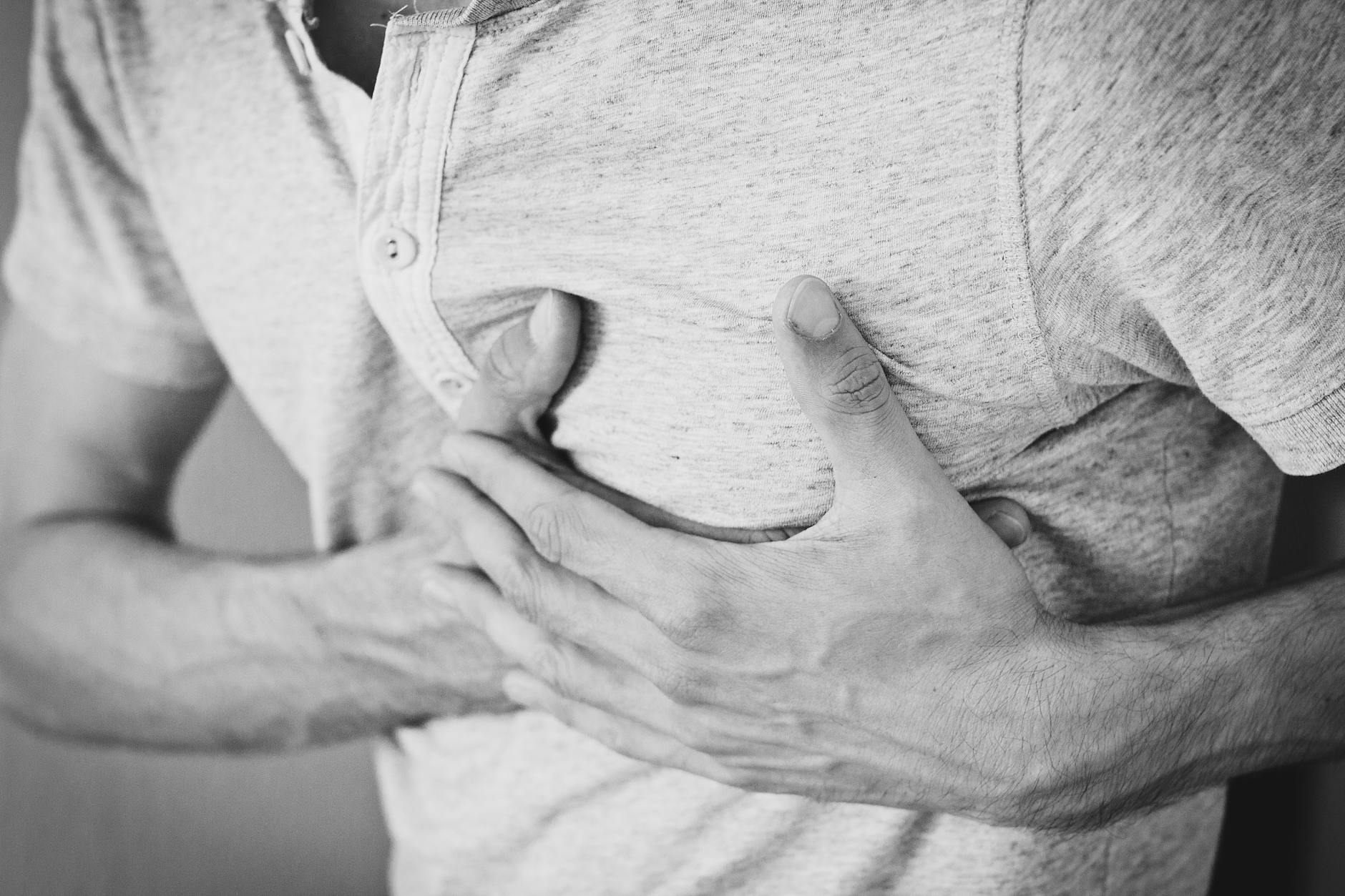
 Photo: freestocks.org / Pexels
 Photo: Michelle Leman / Pexels
 Photo: Cedric Fauntleroy / Pexels
 Photo: RDNE Stock project / Pexels
 Photo: Ahmet Kurt / Pexels