
Recognizing the Unique Symptoms of Heart Attack in Women
symptoms of heart attack in women

Recognizing the Unique Symptoms of Heart Attack in Women

Empower yourself with crucial knowledge about female heart attack signs for immediate, life-saving action.

Learn More Now

Key Takeaways

  • ✓ Women often experience heart attack symptoms differently than men, with less classic chest pain.
  • ✓ Fatigue, shortness of breath, and nausea are common, yet frequently overlooked, symptoms in women.
  • ✓ Delay in seeking medical attention is more common in women due to misinterpretation of symptoms.
  • ✓ Heart disease is the leading cause of death for women in the United States.

How It Works

1
Understand the Differences

Familiarize yourself with how heart attack symptoms can manifest uniquely in women, moving beyond the typical 'Hollywood heart attack' portrayal. This knowledge is your first line of defense.

2
Listen to Your Body

Pay close attention to persistent or unusual changes in your body, such as unexplained fatigue, discomfort, or shortness of breath. These subtle signals can be critical indicators.

3
Act Promptly

If you suspect you or someone you know is experiencing heart attack symptoms, do not hesitate. Call 911 immediately, even if symptoms seem mild or ambiguous.

4
Advocate for Yourself

Be prepared to clearly articulate your symptoms to medical professionals. Women sometimes face challenges in getting their heart attack symptoms recognized and treated effectively.

Understanding the Nuances: Why Women's Heart Attack Symptoms Differ

Young woman resting at home, wrapped in a blanket and feeling unwell, conveying a sense of illness or discomfort. Photo: Pavel Danilyuk / Pexels
For decades, the classic image of a heart attack has been dominated by a man clutching his chest, often accompanied by excruciating pain radiating down the left arm. While this can indeed be a symptom, it paints an incomplete and potentially dangerous picture, particularly for women. The physiological differences between men and women, including hormonal variations, smaller coronary arteries, and differing pain perceptions, mean that heart attacks in women frequently present with more subtle, varied, and often less dramatic symptoms. This distinction is not merely academic; it has profound implications for diagnosis and timely treatment, directly impacting survival rates and long-term health outcomes. Women are more likely to experience a heart attack without the crushing chest pain often associated with the condition. Instead, their symptoms can be more diffuse, mimic other common ailments, and might even come and go, leading to dangerous delays in seeking medical help. Recognizing these nuances is paramount. One significant reason for these differences lies in the type of heart disease women often develop. While men are more prone to blockages in the major coronary arteries (obstructive coronary artery disease), women frequently experience blockages in the smaller arteries that branch off the main ones (microvascular disease) or a condition called spontaneous coronary artery dissection (SCAD), which affects younger, otherwise healthy women. These conditions can cause pain and discomfort that is less localized and more akin to general discomfort or fatigue, making it harder to identify as cardiac in origin. Furthermore, women's bodies process pain differently, sometimes attributing discomfort to stress, anxiety, or even indigestion. The cultural narrative surrounding heart attacks has also played a role, with both patients and healthcare providers sometimes overlooking cardiac symptoms in women, assuming they are less susceptible or that their symptoms are psychosomatic. This bias contributes to the critical delay in seeking care. Educating ourselves and our healthcare providers about these distinct presentations is a crucial step in bridging the diagnostic gap and ensuring that women receive the rapid, appropriate care they need during a cardiac event. The journey to better heart health for women begins with a comprehensive understanding of these unique symptomatic profiles. Learn more about heart health risks.

The Less Obvious Signs: Beyond Chest Pain in Female Heart Attacks

Young woman using an inhaler, demonstrating telemedicine healthcare indoors. Photo: Tima Miroshnichenko / Pexels
While some women do experience chest pain during a heart attack, it's often not the primary or most severe symptom. Instead, women commonly report a range of less obvious signs that can be easily dismissed or attributed to other conditions. One of the most frequently cited atypical symptoms is unusual or extreme fatigue. This isn't just everyday tiredness; it's a profound, sudden, and overwhelming exhaustion that can occur days or even weeks before a heart attack. It might make simple tasks feel monumental, or it could feel like an inexplicable drain on energy, even after adequate rest. This type of fatigue can be particularly insidious because women, especially those balancing work, family, and other responsibilities, are often accustomed to feeling tired and might rationalize it away. Shortness of breath, even without exertion, is another critical symptom that women often experience. This might manifest as feeling winded after light activity, or struggling to catch your breath while resting. It can sometimes be accompanied by a feeling of pressure or tightness in the chest, but often, the shortness of breath itself is the most prominent complaint. This can be mistaken for asthma, bronchitis, or even anxiety, further delaying recognition of a cardiac event. Nausea, vomiting, and indigestion-like symptoms are also surprisingly common in women experiencing a heart attack. These gastrointestinal complaints can be particularly misleading, as they are frequently associated with less serious issues like acid reflux, a stomach bug, or food poisoning. However, if these symptoms appear suddenly, are severe, or are accompanied by other unusual sensations, they warrant immediate medical attention. Discomfort in other areas, such as the jaw, neck, back, or arms (especially the right arm, which is less common in men), can also indicate a heart attack in women. This pain might not be sharp or crushing; instead, it could be described as a dull ache, pressure, or a strange discomfort. It can be intermittent, making it even harder to pinpoint as a heart issue. For example, some women report discomfort in the upper back that feels like a pulled muscle, or a strange pressure in the jaw that intensifies over time. The key is to recognize when these symptoms are unusual for you, persistent, or come on suddenly. Any combination of these symptoms, especially if new or worsening, should trigger a call to 911. The subtlety of these signs underscores the importance of women becoming highly attuned to their bodies and advocating for their health when something feels wrong.

Critical Risk Factors and Prevention Strategies for Women's Heart Health
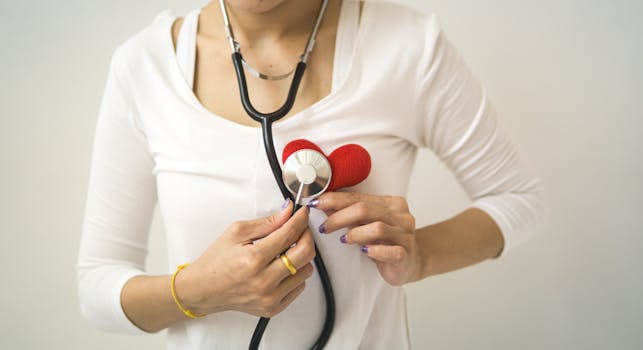
Unrecognizable female wearing white shirt while standing on white background with diaphragm of stethoscope on red handmade heart in room Photo: Puwadon Sang-ngern / Pexels
While understanding the unique symptoms of heart attack in women is vital, it's equally important to be aware of the specific risk factors that disproportionately affect women and to implement effective prevention strategies. Many traditional risk factors for heart disease, such as high blood pressure, high cholesterol, and obesity, apply to both men and women. However, certain conditions and lifestyle factors have a more pronounced impact on women's cardiovascular health or are unique to them. For instance, diabetes significantly increases the risk of heart disease in women more than in men, often leading to more severe complications. Similarly, mental stress and depression have been shown to affect women's hearts more profoundly, potentially contributing to higher rates of heart attacks. Chronic stress can lead to inflammation and damage to artery walls, increasing the risk of plaque buildup. Beyond these, several female-specific conditions elevate heart attack risk. Preeclampsia, a condition characterized by high blood pressure during pregnancy, significantly increases a woman's risk of heart disease later in life. Gestational diabetes, another pregnancy-related condition, also heightens future cardiovascular risk. Autoimmune diseases like lupus and rheumatoid arthritis, which are more prevalent in women, can cause inflammation that damages blood vessels and increases heart disease risk. The use of certain birth control pills, especially in older women who smoke, can also increase the risk of blood clots and heart attacks. Even menopause, with its associated hormonal changes, can contribute to an increase in LDL ('bad') cholesterol and blood pressure, making women more vulnerable to heart disease. Prevention strategies for women must therefore be comprehensive and tailored. Regular monitoring of blood pressure, cholesterol, and blood sugar levels is crucial, starting from a younger age, especially if there's a family history of heart disease or if women have experienced pregnancy complications. Adopting a heart-healthy lifestyle, including a balanced diet rich in fruits, vegetables, and whole grains, and low in saturated fats and processed foods, is fundamental. Regular physical activity, aiming for at least 150 minutes of moderate-intensity exercise per week, strengthens the heart and improves overall cardiovascular function. Stress management techniques, such as meditation, yoga, or spending time in nature, are particularly important for women given the impact of stress on female heart health. Quitting smoking is perhaps the single most impactful step a woman can take to reduce her heart disease risk. Additionally, women should have open conversations with their healthcare providers about their specific risk factors, including their reproductive history and any autoimmune conditions, to develop a personalized prevention plan. Explore more about managing chronic conditions.

When to Call 911: Don't Delay, Act Today!

Focused female doctor with eyeglasses and stethoscope talking on the phone for medical consultation. Photo: www.kaboompics.com / Pexels
The most critical takeaway regarding symptoms of heart attack in women is the absolute necessity of immediate action. Hesitation can be fatal. If you experience any of the symptoms discussed – whether it's persistent fatigue, unexplained shortness of breath, unusual discomfort in your chest, back, jaw, or arms, or sudden nausea and vomiting – do not try to tough it out, wait for symptoms to pass, or drive yourself to the hospital. These delays are dangerously common among women, often because they don't recognize their symptoms as heart-related or fear being seen as overreacting. However, early intervention is paramount in limiting heart damage and improving survival rates. Here’s why immediate action is crucial and what you should do: * **Time is Muscle:** During a heart attack, blood flow to a part of the heart is blocked, causing heart muscle tissue to die. The faster blood flow is restored, the less damage occurs. Every minute counts. * **Call 911 Immediately:** This is the most important step. Emergency medical services (EMS) personnel are trained to recognize heart attack symptoms, provide initial treatment, and transport you quickly and safely to the nearest appropriate hospital. They can perform life-saving interventions en route. * **Do Not Drive Yourself:** Driving yourself or having a friend/family member drive you can lead to delays, and your condition could worsen while in transit, making it unsafe. * **Chew an Aspirin (if advised):** If you are not allergic to aspirin and have been advised by a medical professional or dispatcher, chew a regular-strength aspirin (325 mg) or four low-dose aspirins (81 mg each). Aspirin helps prevent blood clots from forming or getting larger, potentially reducing heart damage. * **Stay Calm and Rest:** While waiting for EMS, try to stay as calm as possible and rest. Avoid any physical exertion. * **Inform Others:** If you are with someone, let them know what's happening. If you are alone, try to unlock your front door for EMS. Recognizing the symptoms is only half the battle; acting on them immediately is the other, equally vital, half. Trust your instincts. If something feels wrong, it's always better to err on the side of caution. Your life could depend on it.

Comparison

Symptom TypeCommon in Men (Classic)Common in Women (Atypical)
Chest PainSevere, crushing, central chest pain, radiating to left armMild pressure, tightness, or discomfort; sometimes no chest pain at all
FatigueLess common as primary symptomUnusual, profound, unexplained fatigue, days or weeks prior
Shortness of BreathOften accompanies chest painCan occur with or without chest pain, even at rest
Nausea/VomitingLess frequentCommon, often mistaken for indigestion or flu
Pain LocationLeft arm, jaw, neckJaw, neck, upper back, shoulder, either arm (especially right)
SweatingCold sweat, often profuseCan be present, sometimes described as 'stress sweat'
General FeelingSudden, intense onsetDiffuse discomfort, feeling 'unwell', anxiety, lightheadedness

What Readers Say

"This article was a lifesaver. I had been dismissing my extreme fatigue and jaw pain as stress, but after reading this, I realized they were symptoms of heart attack in women. I went to the ER and was diagnosed with a mild heart attack, thankfully caught early."

Sarah J. · Austin, TX

"My mother experienced a heart attack last year, and her only symptom was severe back pain. This article perfectly explains why women's symptoms are different and how important it is to recognize them. Every woman needs to read this."

Maria P. · Miami, FL

"I always thought a heart attack meant crushing chest pain. When I started feeling nauseous and unusually tired for days, I almost ignored it. This resource made me call my doctor, and it turned out to be a cardiac event. Early detection saved me."

Jessica L. · Chicago, IL

"While very informative, I wish there was more emphasis on what to do if you're alone when symptoms strike. The information about atypical symptoms in women is crucial, and it's a great starting point for understanding heart health."

Emily R. · Denver, CO

"As a physician, I frequently see women present with these less common heart attack symptoms. This article does an excellent job of distilling complex medical information into actionable knowledge, reinforcing the need for vigilance and prompt medical attention."

Dr. A. Khan · New York, NY

Frequently Asked Questions

What are the most common symptoms of heart attack in women?

The most common symptoms of heart attack in women include unusual or extreme fatigue, shortness of breath, nausea/vomiting, and discomfort in the chest, back, neck, jaw, or either arm. Unlike men, women may not experience intense chest pain as their primary symptom, making these other signs crucial to recognize.

Can women have a heart attack without chest pain?

Yes, absolutely. Many women experience heart attacks with little to no chest pain. Their symptoms are often more subtle and can be mistaken for other conditions like indigestion, flu, or anxiety. This is why understanding the full range of potential symptoms is so important for women.

What should I do if I suspect I'm having a heart attack?

If you suspect you or someone else is having a heart attack, the most important step is to call 911 immediately. Do not attempt to drive yourself to the hospital. Emergency responders can provide critical care on the way, which can significantly improve outcomes.

Are there specific risk factors for heart attack that are unique to women?

Yes, women have unique risk factors such as preeclampsia, gestational diabetes, and certain autoimmune diseases like lupus, which can increase their risk of heart disease. Mental stress and depression also tend to affect women's hearts more profoundly than men's.

How do women's heart attack symptoms compare to men's?

While men often experience classic crushing chest pain, symptoms in women can be more varied and less dramatic. They frequently report fatigue, shortness of breath, nausea, and discomfort in the back, jaw, or arms, rather than just the chest. This difference often leads to diagnostic delays in women.

Who is most at risk for experiencing atypical heart attack symptoms?

While any woman can experience atypical symptoms, older women, women with diabetes, and women with microvascular disease (a type of heart disease affecting smaller arteries) are particularly prone to these less obvious signs. However, it's vital for all women to be aware.

Is anxiety often mistaken for heart attack symptoms in women?

Yes, anxiety and panic attacks share some symptoms with heart attacks, such as shortness of breath, chest tightness, and lightheadedness. This overlap can lead to confusion. However, it's always safer to assume the worst and seek medical attention to rule out a cardiac event, especially if symptoms are new or severe.

What are emerging trends in women's heart health research?

Current research is focusing on better understanding the unique physiological and hormonal factors influencing women's heart disease, improving diagnostic tools tailored for women, and exploring gender-specific treatment approaches. There's also a strong emphasis on raising awareness among both women and healthcare providers about atypical symptoms.

Empowering yourself with knowledge about the symptoms of heart attack in women is a proactive step towards safeguarding your health. Don't underestimate subtle signs; listen to your body and act swiftly. Your informed decision could save a life – perhaps even your own.

Topics: symptoms of heart attack in womenfemale heart attack signswomen's heart healthcardiac arrest womenatypical heart attack symptoms
Leo List
Brampton weed
Adultwork