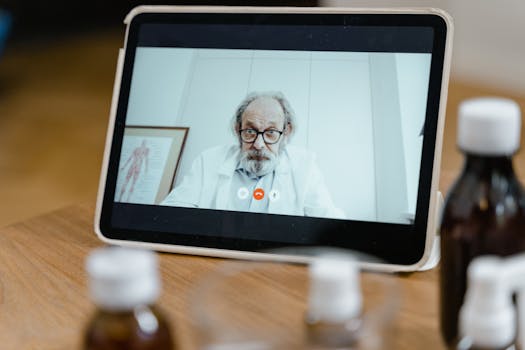
Online Doctor Consultation for UTI: Fast Relief, Expert Care
August 5, 2026 15 min read 3,076 words
Experience convenient, confidential, and effective UTI treatment from the comfort of your home, without the wait or hassle.
Start Your Consultation Now
Understanding UTIs: Symptoms, Causes, and Why Timely Treatment Matters
Urinary Tract Infections (UTIs) are among the most common bacterial infections, impacting millions of Americans each year. While often considered a minor inconvenience, particularly for women who are disproportionately affected, UTIs can lead to serious complications if left untreated. Understanding the symptoms, common causes, and the critical importance of timely intervention is the first step towards effective management and prevention.
Typically, a UTI occurs when bacteria, most commonly Escherichia coli (E. coli) from the bowel, enter the urethra and begin to multiply in the bladder. While less common, infections can also occur in other parts of the urinary system, including the kidneys (pyelonephritis) or ureters. Women are at a higher risk due to their shorter urethra, which provides a shorter pathway for bacteria to reach the bladder. Other risk factors include sexual activity, certain types of birth control, menopause, kidney stones, a compromised immune system, and prior UTI history.
Recognizing the symptoms is crucial for prompt action. Common signs of a UTI include a strong, persistent urge to urinate, a burning sensation during urination (dysuria), passing frequent, small amounts of urine, cloudy urine, urine that appears red, bright pink, or cola-colored (a sign of blood in the urine), strong-smelling urine, and pelvic pain in women – especially in the center of the pelvis and around the area of the pubic bone. For men, symptoms might also include rectal pain. If the infection spreads to the kidneys, more severe symptoms can develop, such as back or flank pain, fever, chills, and nausea or vomiting. These symptoms warrant immediate medical attention, as kidney infections can be serious.
The urgency of treating a UTI cannot be overstated. While many people might consider waiting to see if symptoms resolve on their own, this approach carries significant risks. Untreated UTIs can escalate from a simple bladder infection (cystitis) to a kidney infection (pyelonephritis), which is much more severe and requires more intensive treatment. Kidney infections can lead to permanent kidney damage or even sepsis, a life-threatening response to infection. Furthermore, recurrent UTIs can indicate underlying health issues that need addressing. For pregnant women, UTIs pose risks to both mother and baby, making immediate treatment essential.
Given the potential for rapid progression and serious complications, seeking prompt medical advice is paramount. This is precisely where modern solutions like an
online doctor consultation for UTI prove invaluable. Instead of enduring discomfort or risking complications while waiting for an in-person appointment, individuals can connect with a licensed healthcare provider quickly and conveniently from their home or office. This accessibility ensures that diagnosis and treatment, typically antibiotics for bacterial infections, can begin without delay, halting the infection's progression and providing much-needed relief. Early intervention not only alleviates symptoms faster but significantly reduces the risk of the infection spreading and causing more severe health problems. This proactive approach to healthcare empowers patients to take control of their well-being and receive expert care when they need it most, preventing a minor issue from becoming a major health crisis. Understanding these fundamentals empowers individuals to make informed decisions about their health and leverage available resources for effective management.
The Benefits of Telehealth for UTI Treatment: Convenience Meets Care
In today's fast-paced world, convenience and efficiency are highly valued, especially when it comes to healthcare. The rise of telehealth has revolutionized how individuals access medical services, and for conditions like urinary tract infections, an online doctor consultation for UTI stands out as a particularly beneficial option. This modern approach offers a compelling alternative to traditional in-person visits, merging the need for timely medical attention with the demands of a busy lifestyle.
One of the most significant advantages of telehealth for UTI treatment is unparalleled convenience. Imagine waking up with the uncomfortable symptoms of a UTI – the burning, the frequent urge to urinate, the pelvic discomfort. Traditionally, this would mean calling your primary care physician, explaining your symptoms to a receptionist, potentially waiting days for an appointment, taking time off work or other obligations, driving to the clinic, enduring waiting room delays, and then finally seeing a doctor. With an online consultation, this entire process is streamlined. You can connect with a licensed doctor from the comfort of your home, office, or even while traveling, often within minutes or hours, not days. This eliminates travel time, parking hassles, and exposure to other illnesses in a waiting room, making it an ideal solution for those with mobility issues, limited transportation, or simply a packed schedule.
Beyond convenience, online consultations offer a level of privacy and discretion that many patients appreciate, particularly for sensitive health concerns like UTIs. Some individuals may feel embarrassed discussing their symptoms in a traditional clinical setting or with a receptionist. Telehealth platforms provide a secure and confidential environment where you can speak openly and honestly with a medical professional without the perceived judgment or lack of privacy that can sometimes accompany in-person visits. This comfort can lead to more accurate symptom reporting and, consequently, a more precise diagnosis and treatment plan.
Cost-effectiveness is another compelling benefit. While the exact cost varies depending on your insurance coverage and the specific telehealth provider, online consultations are often more affordable than urgent care visits or emergency room visits, which are frequently sought for acute UTI symptoms when a primary care doctor is unavailable. By avoiding the overheads associated with a physical clinic, telehealth providers can sometimes offer services at a lower price point, making quality healthcare more accessible to a broader population. Moreover, the time saved by not traveling and not taking extensive time off work also translates into financial savings.
Furthermore, the speed of access to care is critical for UTIs. As discussed, untreated UTIs can quickly escalate into more serious kidney infections. Telehealth ensures that you can receive a professional diagnosis and a prescription for antibiotics, if needed, often on the same day you experience symptoms. This rapid intervention is key to preventing the infection from worsening, alleviating discomfort sooner, and promoting a quicker recovery. For those who frequently experience UTIs or need quick refills, the efficiency of an online consultation is a game-changer. The ability to get immediate professional guidance and treatment initiation from a qualified healthcare provider truly underscores why telehealth has become such a valuable resource for managing common conditions like UTIs, providing a blend of convenience, privacy, and timely medical attention that traditional models often struggle to match.
What to Expect During Your Online Doctor Consultation for UTI
Embarking on an online doctor consultation for a UTI might feel different from a traditional in-person visit, but the core objective remains the same: to receive an accurate diagnosis and an effective treatment plan from a qualified medical professional. Understanding what to expect can help ease any anxieties and ensure you get the most out of your virtual appointment. The process is designed to be straightforward, efficient, and thorough, mirroring the quality of care you'd receive in a clinic but with added convenience.
Your consultation typically begins even before you speak with a doctor. Most telehealth platforms require you to complete a comprehensive online questionnaire. This form is crucial as it gathers vital information about your symptoms, medical history, allergies, current medications, and any previous experiences with UTIs. Be as detailed and accurate as possible; this information allows the doctor to build a preliminary understanding of your condition and prepares them for your virtual interaction. Think of it as the digital equivalent of filling out forms in a doctor's waiting room, but at your own pace and in your own space.
Once your information is submitted, you'll be connected with a board-certified physician. The method of connection can vary depending on the platform and your preference – it could be via a secure video call, a phone call, or even a text-based chat. Video consultations are often preferred as they allow the doctor to visually assess certain cues, though for UTIs, a detailed verbal description of symptoms is usually sufficient. During this interaction, the doctor will review the information you provided and ask follow-up questions to clarify your symptoms. They might inquire about the onset of symptoms, their severity, any changes, and other relevant factors. Be prepared to describe your discomfort, frequency of urination, any burning sensation, and the appearance or smell of your urine. This is your opportunity to communicate all your concerns clearly and openly.
Based on this comprehensive assessment, the doctor will then formulate a diagnosis. For uncomplicated UTIs, which are the majority of cases, a diagnosis can often be made based on symptoms alone, especially in individuals with a history of UTIs. If the doctor suspects a more complicated infection, or if your symptoms are atypical, they might recommend further testing, such as a urine culture. However, for most acute, uncomplicated UTIs, the virtual consultation is sufficient for diagnosis and treatment. Once a diagnosis is reached, the doctor will discuss a personalized treatment plan with you. This almost always involves a prescription for antibiotics. They will explain which antibiotic is being prescribed, the dosage, how long you should take it, and any potential side effects. They will also provide advice on symptom management, such as increasing fluid intake and avoiding irritants.
If a prescription is issued, it will be electronically sent to your preferred pharmacy for pickup, often within minutes of your consultation ending. This seamless process means you can start your medication quickly, accelerating your path to recovery. Many telehealth services also offer follow-up options. This could involve a message from the doctor checking on your progress or the ability to schedule another virtual visit if your symptoms don't improve or worsen. This ensures continuity of care and peace of mind. The entire process, from filling out the initial questionnaire to receiving a prescription, can often be completed in under an hour, making an
online doctor consultation an incredibly efficient and effective way to manage UTI symptoms and get back to feeling your best.
Navigating Online UTI Treatment: Tips for Success and When to Seek In-Person Care
While online doctor consultations for UTIs offer immense convenience and efficiency, maximizing their effectiveness and understanding their limitations is key. To ensure a successful virtual treatment experience, and to know when an in-person visit is indispensable, consider these practical tips.
First, be prepared and thorough. Before your consultation, make a list of all your symptoms, including when they started, their severity, and any factors that make them better or worse. Gather information about your medical history, current medications, allergies, and any previous UTIs you've had, including what treatments worked (or didn't). Having this information readily available will help the doctor make an accurate assessment quickly. Ensure you have a stable internet connection and are in a private, quiet space for your virtual call to avoid interruptions and maintain confidentiality.
Second, communicate clearly and honestly. Don't withhold any information, even if you find it embarrassing. The more accurate and complete your description of symptoms, the better the doctor can diagnose and treat your condition. Ask questions if you don't understand something about your diagnosis or treatment plan. Clarify dosage instructions, potential side effects of antibiotics, and what to do if your symptoms don't improve.
Third, understand the limitations. Online consultations are generally ideal for uncomplicated UTIs in otherwise healthy individuals. They are not suitable for all situations. You should seek immediate in-person medical attention if you experience severe symptoms like high fever (over 101°F or 38.3°C), chills, severe back or flank pain (which could indicate a kidney infection), nausea, vomiting, or if you are pregnant, have a compromised immune system, or have a history of complex medical conditions that might complicate a UTI. If your symptoms worsen or do not improve after 24-48 hours of starting antibiotics prescribed online, it's also crucial to follow up with a doctor, potentially in person, as the infection might be resistant to the prescribed medication or require further investigation.
Fourth, follow your treatment plan diligently. If antibiotics are prescribed, take the full course as directed, even if you start feeling better. Stopping early can lead to antibiotic resistance and a recurrence of the infection. Stay hydrated by drinking plenty of water, and avoid bladder irritants like caffeine, alcohol, and spicy foods during your recovery. Maintaining good hygiene, such as wiping from front to back after using the restroom, can also help prevent future infections.
By following these guidelines, you can significantly enhance the effectiveness of your online UTI consultation. Telehealth provides an incredible resource for quick relief and expert care, but knowing when to leverage its strengths and when to transition to traditional care ensures your health is always prioritized.