
How to Prepare for a Colonoscopy: Your Ultimate Guide
Navigate your colonoscopy preparation with confidence, ensuring a comfortable experience and accurate, life-saving results.
Start Your Prep JourneyKey Takeaways
- ✓ Proper bowel preparation is the most critical step for an effective colonoscopy.
- ✓ The prep typically involves a special diet for several days and a strong laxative solution.
- ✓ Hydration is crucial during the preparation period to prevent dehydration.
- ✓ Medication adjustments, especially for blood thinners or diabetes, must be discussed with your doctor.
- ✓ Having a clear understanding of the instructions reduces anxiety and improves compliance.
How It Works
Before starting, have a detailed discussion with your physician about your medical history and any medications. Ensure you receive and thoroughly understand the specific preparation instructions provided by your doctor or facility.
Typically 3-5 days before the procedure, you'll start a low-fiber diet, transitioning to a clear liquid diet 24 hours prior. This step is vital for reducing solid waste in your colon.
On the day before or morning of your colonoscopy, you will drink a prescribed laxative solution. This solution works to thoroughly cleanse your colon, ensuring it's completely empty for the procedure.
After completing the bowel prep, you'll arrive at the facility for your colonoscopy. Following the procedure, you'll need someone to drive you home and should rest for the remainder of the day.
Understanding the 'Why' Behind Colonoscopy Preparation
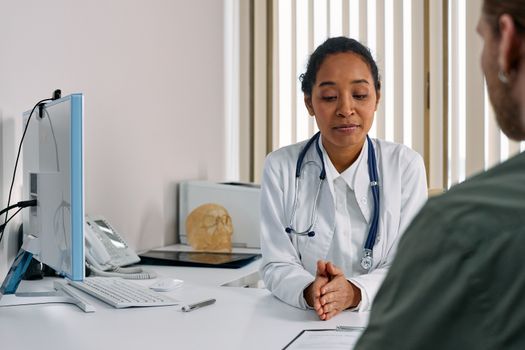 Photo: cottonbro studio / Pexels
Navigating Your Colonoscopy Prep Diet: From Low-Fiber to Clear Liquids
Mastering the Bowel Prep Solution: Tips for Easier Consumption
Crucial Medication Adjustments and What to Expect on Procedure Day
Comparison
| Feature | PEG-based Prep (e.g., GoLYTELY) | Low-Volume Saline Prep (e.g., Suprep) | Tablet-based Prep (e.g., SUTAB) |
|---|---|---|---|
| Volume to Drink | Large (2-4 liters) | Moderate (2 x 16oz mixed solution + water) | Small (24 tablets + water) |
| Taste | Often described as salty/medicinal | Salty, often fruity flavor | Minimal taste, but many pills |
| Effectiveness | ✓ (Excellent) | ✓ (Excellent) | ✓ (Excellent) |
| Nausea Risk | Moderate | Moderate | Low to Moderate |
| Electrolyte Balance | Generally well-maintained | Good, but monitor | Good, but monitor |
| Ease of Use | Can be challenging due to volume | Easier due to lower volume | Requires swallowing many pills |
What Readers Say
"I was dreading my colonoscopy prep, but this guide really helped me mentally prepare. Knowing what to expect and the tips for the clear liquid diet made a huge difference. The chilling solution trick was a game-changer!"
Sarah J. · Austin, TX"As a diabetic, I was worried about managing my blood sugar during the prep. This article's emphasis on discussing meds with my doctor was spot on. My doctor gave me a great plan, and the procedure went smoothly."
Mark D. · Miami, FL"I followed the advice to apply petroleum jelly, and it saved me from a lot of discomfort. The prep itself wasn't fun, but knowing these small details ahead of time made it so much more tolerable, leading to a successful colonoscopy."
Emily R. · Denver, CO"The article was very thorough, especially on the dietary restrictions. I still struggled a bit with the taste of the solution, but the tips like using a straw and taking breaks definitely helped me get through it all."
Robert L. · Chicago, IL"This guide covers everything! My doctor's office gave me instructions, but this filled in all the gaps about the 'why' and practical tips, making me feel much more confident and less anxious about the whole process."
Jessica M. · Seattle, WAFrequently Asked Questions
What is the most important thing to remember when preparing for a colonoscopy?
The most important thing is to ensure your colon is completely clean. This means strictly following all dietary restrictions and consuming the entire bowel preparation solution as prescribed by your doctor. A clean colon allows for accurate visualization and detection of polyps or abnormalities.
Is the colonoscopy prep painful?
The colonoscopy prep is generally not painful, but it can be uncomfortable due to frequent bowel movements, bloating, and sometimes nausea. Pain is rare, and if experienced, should be reported to your doctor. Many find the taste of the solution to be the most challenging aspect.
How do I make the colonoscopy prep solution taste better?
To improve the taste, chill the solution thoroughly before drinking. You can also try mixing it with approved clear, light-colored liquids like clear apple juice or lemon-lime soda (if allowed by your doctor), or using a straw to bypass taste buds. Sucking on a lemon wedge or clear hard candy between doses can also help.
How much does a colonoscopy cost in the US?
The cost of a colonoscopy in the US can vary widely based on insurance coverage, facility fees, doctor's fees, and geographic location. For screening colonoscopies, many insurance plans cover 100% of the cost under preventive care. For diagnostic colonoscopies, costs can range from a few hundred to several thousand dollars before insurance.
What are the alternatives to a colonoscopy for colon cancer screening?
Alternatives include stool-based tests (like FIT or Cologuard), virtual colonoscopy (CT colonography), and flexible sigmoidoscopy. While these options are less invasive, they may not be as comprehensive as a colonoscopy, and abnormal results often require a follow-up colonoscopy.
Who should get a colonoscopy?
Individuals aged 45 and older should discuss colonoscopy screening with their doctor. Those with a family history of colorectal cancer, personal history of polyps, inflammatory bowel disease, or certain genetic syndromes may need to start screening earlier or more frequently.
Are there any risks associated with colonoscopy preparation?
Risks of colonoscopy preparation are generally low but can include dehydration, electrolyte imbalance, nausea, vomiting, and abdominal discomfort. Rarely, severe reactions or complications can occur. Always follow your doctor's instructions and report any concerning symptoms immediately.
How is colonoscopy prep evolving?
Colonoscopy prep is evolving with ongoing research into smaller-volume solutions, more palatable formulations, and split-dose regimens (drinking half the prep the evening before and half on the morning of the procedure) to improve patient tolerance and effectiveness. Future innovations may include even gentler, more targeted cleansing methods.
Preparing for a colonoscopy can feel overwhelming, but with the right information and a proactive approach, you can ensure a successful and effective procedure. Remember to communicate openly with your healthcare provider and follow all instructions meticulously. Your diligence in how to prepare for a colonoscopy is a vital step in safeguarding your long-term health.