
How to Lower Blood Pressure Naturally: Your Comprehensive Guide
how to lower blood pressure naturally

How to Lower Blood Pressure Naturally: Your Comprehensive Guide

Unlock the power of lifestyle changes to effectively manage and reduce your blood pressure for a healthier life.

Start Your Journey

Key Takeaways

  • ✓ High blood pressure affects nearly half of all adults in the US.
  • ✓ Lifestyle changes are often the first line of defense against hypertension.
  • ✓ Dietary modifications, like the DASH diet, can significantly lower blood pressure.
  • ✓ Regular physical activity is crucial for maintaining healthy blood pressure levels.

How It Works

1
Assess Your Current Health

Understand your baseline blood pressure readings and discuss your health history with a healthcare professional. This initial assessment helps tailor a personalized natural approach.

2
Implement Dietary Changes

Focus on a diet rich in fruits, vegetables, whole grains, and lean proteins, while reducing sodium, saturated fats, and processed foods. This forms the cornerstone of natural blood pressure management.

3
Integrate Regular Physical Activity

Aim for at least 150 minutes of moderate-intensity aerobic exercise or 75 minutes of vigorous-intensity exercise per week. Consistent movement strengthens your heart and improves circulation.

4
Manage Stress and Prioritize Sleep

Incorporate stress-reduction techniques like meditation or yoga, and ensure you get 7-9 hours of quality sleep nightly. Chronic stress and sleep deprivation can elevate blood pressure.

Understanding Hypertension: The Silent Killer
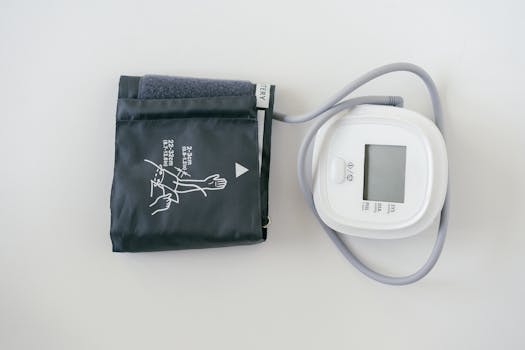
A digital sphygmomanometer on a white background, used for measuring blood pressure. Photo: Mikhail Nilov / Pexels
High blood pressure, or hypertension, is a pervasive health concern affecting millions of Americans. Often dubbed the 'silent killer' because it typically presents no symptoms, it can lead to severe health complications if left unmanaged. These complications include heart disease, stroke, kidney disease, and even vision loss. Understanding what constitutes high blood pressure is the first step towards managing it effectively. A normal blood pressure reading is generally considered to be less than 120/80 mmHg (millimeters of mercury). The top number, systolic pressure, measures the pressure in your arteries when your heart beats. The bottom number, diastolic pressure, measures the pressure in your arteries between beats. When these numbers consistently rise above normal thresholds, typically 130/80 mmHg or higher for stage 1 hypertension, it indicates a need for intervention. While medication is a common and often necessary treatment, a significant number of individuals can achieve substantial reductions in their blood pressure through natural, lifestyle-based interventions. This article delves deep into these natural strategies, offering a comprehensive guide to empower you to take control of your cardiovascular health. It's crucial to remember that any changes to your health regimen, especially concerning blood pressure, should always be discussed with your doctor. They can provide personalized advice and monitor your progress, ensuring your safety and the effectiveness of your chosen approach. The journey to lower blood pressure naturally is a commitment to a healthier lifestyle, one that can yield profound and lasting benefits for your overall well-being. Recognizing the risk factors, such as family history, age, obesity, and an unhealthy diet, is also vital in proactively addressing this condition. By understanding the 'why' behind hypertension, you can better appreciate the 'how' of natural management. Learn more about the risks of untreated hypertension and how early intervention can prevent serious health outcomes. This proactive approach is not just about avoiding disease; it's about embracing a vibrant, energetic life free from the constraints of uncontrolled blood pressure. We will explore each natural strategy in detail, from dietary adjustments to stress management, providing actionable steps you can integrate into your daily routine. The goal is to equip you with the knowledge and tools to make informed decisions about your health, fostering a sustainable path towards optimal blood pressure levels.

Dietary Interventions: Eating Your Way to Lower Blood Pressure

One of the most powerful tools in your arsenal for naturally lowering blood pressure is your diet. What you eat, and perhaps more importantly, what you don't eat, can have a profound impact on your cardiovascular system. The Dietary Approaches to Stop Hypertension (DASH) diet is specifically designed to lower blood pressure without medication. This eating plan emphasizes fruits, vegetables, whole grains, lean protein, and low-fat dairy, while significantly reducing sodium, saturated fat, and cholesterol. Studies have consistently shown that individuals who adhere to the DASH diet can see significant reductions in their blood pressure within weeks. Beyond DASH, focusing on potassium-rich foods is crucial. Potassium helps to balance sodium levels in your body, which can directly impact blood pressure. Excellent sources include bananas, avocados, spinach, sweet potatoes, and white beans. Magnesium, another essential mineral, also plays a role in blood pressure regulation. Incorporate foods like leafy greens, nuts, seeds, and legumes to boost your magnesium intake. Conversely, reducing sodium intake is paramount. The average American consumes far too much sodium, largely from processed foods, canned goods, and restaurant meals. Aim for no more than 2,300 milligrams of sodium per day, and ideally, closer to 1,500 milligrams if you have high blood pressure. Reading food labels carefully and choosing fresh, unprocessed foods are key strategies. Limiting saturated and trans fats found in red meat, full-fat dairy, and many baked goods is also important for heart health. Instead, opt for healthy fats found in olive oil, avocados, and fatty fish like salmon, which are rich in omega-3 fatty acids known for their cardiovascular benefits. Furthermore, moderating alcohol consumption is vital. While a small amount of alcohol might have some heart benefits, excessive drinking can significantly raise blood pressure. For men, this means no more than two drinks per day, and for women, no more than one. Incorporating specific foods known for their blood pressure-lowering properties can also be beneficial. Beetroot juice, for instance, is rich in nitrates, which the body converts into nitric oxide, a compound that relaxes blood vessels and lowers blood pressure. Berries, with their high antioxidant content, and dark chocolate (in moderation, with high cocoa content) have also shown promise. The key is consistency and making sustainable changes. It's not about a temporary diet, but a permanent shift towards a healthier eating pattern that supports optimal blood pressure and overall well-being. Consulting with a registered dietitian can provide personalized guidance and help you navigate these dietary changes effectively, ensuring you meet your nutritional needs while working towards your blood pressure goals.

The Power of Movement: Exercise and Stress Reduction

Physical activity is a cornerstone of any natural approach to managing blood pressure. Regular exercise strengthens your heart, making it more efficient at pumping blood, which in turn reduces the force on your arteries. This can lead to a significant and sustained drop in blood pressure. The American Heart Association recommends at least 150 minutes of moderate-intensity aerobic activity, such as brisk walking, swimming, or cycling, or 75 minutes of vigorous-intensity activity, like running or high-intensity interval training, per week. It's also beneficial to incorporate strength training exercises at least twice a week. Consistency is more important than intensity when you're starting out. Even short bursts of activity, like 10-minute walks throughout the day, can add up and contribute to your overall health. Before starting any new exercise regimen, especially if you have existing health conditions, it's essential to consult with your doctor. They can help you determine a safe and effective plan tailored to your individual needs. Beyond structured exercise, simply increasing your overall physical activity throughout the day can make a difference. Taking the stairs instead of the elevator, parking further away, or standing more often can contribute to better blood pressure control. The benefits of exercise extend beyond just blood pressure; it also helps with weight management, improves cholesterol levels, and boosts mood, all of which indirectly support cardiovascular health. Alongside physical activity, managing stress is incredibly important for blood pressure. Chronic stress can lead to elevated blood pressure by triggering the release of hormones that constrict blood vessels and increase heart rate. While it's impossible to eliminate all stress from life, developing healthy coping mechanisms can make a significant difference. Techniques such as meditation, deep breathing exercises, yoga, and mindfulness can help calm the nervous system and promote relaxation. Even simple activities like spending time in nature, listening to music, or engaging in hobbies can be effective stress reducers. Prioritizing quality sleep is another often-overlooked aspect of stress management and blood pressure control. Lack of sleep can contribute to high blood pressure, as your body doesn't get the necessary time to rest and repair. Aim for 7-9 hours of uninterrupted sleep per night. Establishing a consistent sleep schedule, creating a relaxing bedtime routine, and ensuring your sleep environment is dark, quiet, and cool can significantly improve sleep quality. Explore more strategies for effective stress management to enhance your overall well-being. By combining regular physical activity with effective stress reduction techniques, you create a powerful synergy that supports healthy blood pressure levels and fosters a more balanced, resilient lifestyle. These natural interventions are not quick fixes, but rather sustainable habits that contribute to long-term health and vitality.

Lifestyle Adjustments: Other Key Factors for Blood Pressure Control

While diet and exercise are foundational, several other lifestyle adjustments play a crucial role in how to lower blood pressure naturally. One significant factor is maintaining a healthy weight. Excess body weight, particularly around the waist, can increase blood pressure. Losing even a small amount of weight can have a profound impact on your blood pressure readings. For every 20 pounds lost, systolic blood pressure can drop by 5 to 20 mmHg. This reduction is directly linked to decreased strain on your heart and blood vessels. Focus on sustainable weight loss through a combination of healthy eating and regular physical activity, rather than restrictive fad diets. Quitting smoking is another non-negotiable step for anyone looking to improve their blood pressure and overall cardiovascular health. Every cigarette you smoke temporarily increases your blood pressure. The chemicals in tobacco can damage the lining of your artery walls, leading to narrowing and hardening of the arteries (atherosclerosis), which directly contributes to high blood pressure and heart disease. Quitting smoking is one of the most impactful changes you can make for your health, yielding immediate and long-term benefits. Reducing caffeine intake might also be beneficial for some individuals. While the effect of caffeine on blood pressure is often temporary, some people are more sensitive to it and may experience a sustained increase. Monitoring your blood pressure after consuming caffeinated beverages can help you determine if caffeine is a trigger for you. If it is, consider reducing your intake or switching to decaffeinated options. Incorporating certain herbs and supplements can also be part of a natural approach, but this must always be done under medical supervision. Some supplements, like garlic extract, hibiscus tea, and omega-3 fatty acids, have shown promise in blood pressure reduction. However, they can interact with medications or have side effects, so professional guidance is essential. Never replace prescribed medication with supplements without consulting your doctor. Monitoring your blood pressure at home is an empowering practice. Regular home monitoring can help you track your progress, identify patterns, and provide valuable information to your healthcare provider. Ensure you use a validated blood pressure monitor and follow proper measurement techniques for accurate readings. Finally, building a strong support system can make a significant difference in your journey. Whether it's family, friends, or a support group, having people who encourage your healthy habits and provide accountability can be incredibly motivating. Remember, managing blood pressure naturally is a holistic endeavor that encompasses various aspects of your daily life. It requires commitment and consistency, but the rewards of a healthier heart and a reduced risk of serious health complications are immeasurable. Here are some key lifestyle adjustments to consider: * **Maintain a Healthy Weight:** Aim for a Body Mass Index (BMI) between 18.5 and 24.9. Even modest weight loss can significantly impact blood pressure. * **Quit Smoking:** This is one of the most impactful changes for cardiovascular health. Seek support if needed. * **Limit Caffeine:** Observe how caffeine affects your blood pressure and adjust intake accordingly. * **Consider Supplements (with caution):** Discuss potential benefits and risks of supplements like garlic, hibiscus, or omega-3s with your doctor. * **Monitor Blood Pressure at Home:** Regularly track your readings to stay informed and share data with your healthcare provider. * **Build a Support System:** Lean on friends, family, or support groups for encouragement and accountability.

Comparison

FeatureBest OptionAlternative 1Alternative 2
Dietary ApproachDASH DietMediterranean DietVegetarian/Vegan Diet
Exercise TypeAerobic (Brisk Walking)Strength TrainingYoga/Pilates
Stress ManagementMindfulness MeditationDeep BreathingNature Walks
Sodium Intake<1500mg/day<2300mg/dayModerate Reduction

What Readers Say

"Following these natural strategies has been a game-changer. My doctor is thrilled with my progress, and I feel so much more energetic. Learning how to lower blood pressure naturally has truly transformed my health."

Sarah J. · Austin, TX

"I was hesitant at first, but committing to a healthier diet and regular walks really worked. My blood pressure numbers are consistently lower now, and I've even lost some weight."

Mark D. · Chicago, IL

"After implementing the DASH diet and daily meditation, my systolic pressure dropped by 15 points in just two months. It's amazing what consistent effort can achieve for how to lower blood pressure naturally."

Emily R. · Seattle, WA

"While some changes were challenging, particularly reducing sodium, the overall benefits are undeniable. My blood pressure is much better controlled, though I still have to be mindful of my diet."

David L. · Miami, FL

"As a busy professional, I thought I had no time. But even small, consistent changes like walking during lunch and cooking more at home have made a huge difference in my blood pressure readings."

Jessica M. · Denver, CO

Frequently Asked Questions

What is the fastest way to lower blood pressure naturally?

While there's no instant 'fastest' way, significant and rapid improvements can often be seen by drastically reducing sodium intake, adopting the DASH diet, and engaging in daily moderate exercise. Consistency is key for lasting results, and always consult your doctor before making major changes.

Can high blood pressure be reversed naturally without medication?

For many individuals with prehypertension or stage 1 hypertension, lifestyle changes can effectively lower blood pressure to healthy levels, potentially avoiding or reducing the need for medication. However, this depends on the individual's specific situation, severity, and adherence to lifestyle changes. Always work with your doctor.

How much exercise is needed to lower blood pressure?

Aim for at least 150 minutes of moderate-intensity aerobic activity (like brisk walking) or 75 minutes of vigorous-intensity activity (like running) per week, spread throughout the week. Incorporating strength training at least twice a week also provides benefits.

Are there any costs associated with lowering blood pressure naturally?

While there aren't direct 'costs' like medication, implementing natural strategies might involve expenses for healthier groceries, gym memberships, or home exercise equipment. However, these are often investments in long-term health that can reduce future medical costs.

How do natural methods compare to prescription medications for blood pressure?

Natural methods are often the first line of defense for mild to moderate hypertension and can be highly effective. For severe hypertension or when lifestyle changes aren't enough, medication may be necessary. Often, a combination of both approaches yields the best results, with natural methods potentially reducing medication dosage.

Who should consider lowering blood pressure naturally?

Anyone with elevated blood pressure, prehypertension, or stage 1 hypertension should consider natural methods. Even those on medication can benefit from lifestyle changes to improve overall heart health and potentially reduce their medication needs, always under medical supervision.

Are there any risks to trying to lower blood pressure naturally?

Generally, adopting a healthier diet, exercising, and managing stress have minimal risks and numerous benefits. However, it's crucial to consult your doctor before making significant changes, especially if you have existing health conditions or are on medication, to ensure safety and avoid potential interactions or adverse effects.

What role will technology play in future natural blood pressure management?

Future trends include advanced wearable devices for continuous blood pressure monitoring, AI-powered personalized dietary and exercise plans, and virtual reality tools for stress reduction. These technologies will empower individuals with real-time data and tailored interventions to manage their blood pressure naturally.

Taking charge of your health and learning how to lower blood pressure naturally is one of the most empowering steps you can take. By consistently applying these evidence-based lifestyle changes, you can significantly improve your cardiovascular health, reduce your risk of serious complications, and enjoy a more vibrant life. Start your journey towards a healthier heart today.

Topics: how to lower blood pressure naturallynatural blood pressure remedieshypertension natural treatmentdiet for high blood pressureexercise for blood pressure
Leo List
Brampton weed
Adultwork