✓ Florida requires a qualifying condition diagnosed by a state-approved physician.
✓ Patients must establish a bona fide physician-patient relationship for at least 90 days.
✓ The Office of Medical Marijuana Use (OMMU) issues patient identification cards.
✓ Renewal is required annually for both the physician's recommendation and the card.
How It Works
1
Determine Eligibility & Find a Qualified Physician
Confirm you have a qualifying condition recognized by Florida law. Locate a physician registered with the Office of Medical Marijuana Use (OMMU) to conduct your evaluation.
2
Undergo Physician Evaluation & Recommendation
Attend an in-person consultation with your chosen physician. They will review your medical history, diagnose a qualifying condition, and enter you into the Florida Medical Marijuana Use Registry.
3
Apply for Your Medical Marijuana Use Registry Card
Once your physician enters your information into the registry, you can complete the online or mail-in application. Provide necessary documentation and pay the state fee.
4
Receive & Utilize Your Card
Upon approval, you will receive your temporary or permanent medical marijuana card. This card permits you to purchase medical cannabis from licensed dispensaries across Florida.
Understanding Florida's Medical Marijuana Laws and Eligibility
Photo: Matt Fitz Gibaud / Pexels
Navigating the landscape of medical marijuana laws in Florida can initially seem complex, but with the right information, the process becomes much clearer. Florida's Medical Marijuana Use Act, initially passed as Amendment 2 in 2016 and subsequently refined, established a comprehensive framework for patient access to medical cannabis. The core principle of the law is to provide qualified patients with safe and legal access to medical marijuana for specific debilitating conditions. Understanding these conditions and the overarching legal requirements is the first critical step in how to get a medical marijuana card in Florida.
The Office of Medical Marijuana Use (OMMU), a division of the Florida Department of Health, is the regulatory body overseeing the entire program. They are responsible for registering qualified patients and caregivers, licensing physicians, and regulating Medical Marijuana Treatment Centers (MMTCs), commonly known as dispensaries. For a patient to be eligible, they must first be diagnosed with one of the state's qualifying medical conditions by a physician who is actively registered with the OMMU and has completed the required state training.
Qualifying conditions in Florida are explicitly defined and include, but are not limited to, cancer, epilepsy, glaucoma, HIV/AIDS, Crohn's disease, Parkinson's disease, multiple sclerosis, and chronic nonmalignant pain. The definition of chronic nonmalignant pain is particularly broad, often encompassing conditions like severe and persistent muscle spasms, severe arthritis, or neuropathic pain, provided it is caused by a qualifying medical condition or that originates from a qualifying medical condition and is debilitating. Additionally, patients with a terminal condition diagnosed by a physician other than the qualified physician issuing the marijuana recommendation may also qualify. The law also includes a provision for other debilitating medical conditions of the same kind or class as or comparable to the others listed, or a chronic nonmalignant pain that is caused by or originates from a a qualifying medical condition or that originates from a qualifying medical condition and is debilitating. This flexibility allows physicians to exercise their medical judgment for conditions not explicitly named but that severely impact a patient's quality of life. Understanding these qualifying conditions is paramount for prospective patients.
Beyond the medical diagnosis, there are several other crucial eligibility requirements. Patients must be permanent or seasonal residents of Florida. A permanent resident is someone who has resided in Florida for at least 31 consecutive days and intends to make Florida their permanent home. A seasonal resident is someone who lives in Florida for at least 31 consecutive days each calendar year but does not intend to make Florida their permanent home and returns to another state or country at least once a year. Evidence of residency, such as a Florida driver's license or state ID, and utility bills or lease agreements for seasonal residents, will be required during the application process. Furthermore, patients must be at least 18 years old. Minors can qualify, but they require two physicians' recommendations and the consent of a parent or legal guardian to participate in the program. Establishing a bona fide physician-patient relationship is another foundational element, which typically means the physician has ongoing responsibility for the assessment, care, and treatment of the patient's qualifying condition. This relationship often involves an initial in-person visit and follow-up appointments to monitor the patient's progress and adjust their treatment plan as needed. The state mandates that the qualified physician must have conducted a physical examination of the patient and reviewed their medical records. The physician must also determine that the potential benefits of medical marijuana outweigh the health risks for the patient. This thorough approach ensures that medical marijuana is prescribed responsibly and appropriately, aligning with the therapeutic goals of the patient. The initial recommendation typically allows for a 70-day supply, with subsequent recommendations often covering 70-day periods. The physician must re-evaluate the patient's condition and enter new recommendations into the registry every 210 days to maintain active status. This regular review helps ensure continued medical necessity and patient safety, a key component of Florida's medical cannabis program. Understanding these prerequisites is vital for anyone looking into how to get a medical marijuana card in Florida.
The Physician Consultation: Your First Official Step
Photo: RDNE Stock project / Pexels
Once you've confirmed your eligibility, the next pivotal step in how to get a medical marijuana card in Florida is finding and consulting with a qualified medical marijuana physician. This isn't just any doctor; Florida law mandates that only physicians who have completed specific state-mandated training and are registered with the OMMU can recommend medical cannabis. These physicians understand the nuances of cannabis medicine, its potential benefits, and contraindications, ensuring that your treatment plan is both safe and effective. The state maintains a publicly accessible registry of qualified physicians, which is an excellent resource for locating a doctor near you. Many clinics specialize solely in medical marijuana evaluations, offering streamlined processes and experienced staff.
During your initial consultation, the physician will conduct a thorough review of your medical history. This involves examining previous diagnoses, current medications, treatment plans you've tried, and any relevant medical records. It's highly recommended to bring all pertinent medical documentation with you to this appointment, such as diagnosis reports, imaging results (X-rays, MRIs), medication lists, and summaries from previous doctors. This allows the physician to accurately assess your condition and confirm it meets Florida's qualifying criteria. Be prepared to discuss your symptoms in detail, how they impact your daily life, and any previous experiences you may have had with cannabis or other treatments. The physician will also conduct a physical examination to further evaluate your health status.
After a comprehensive evaluation, if the physician determines that you have a qualifying condition and that medical marijuana is an appropriate treatment option, they will create a personalized treatment plan. This plan includes specific recommendations for routes of administration (e.g., inhalation, edibles, tinctures, topicals), daily dosage limits, and the duration of the recommendation. Florida law currently allows for various forms of medical cannabis, but smoking flower requires a separate doctor's recommendation. The physician will explain the different product types available at dispensaries and help you understand how to use them effectively to manage your symptoms. They will also discuss potential side effects and interactions with other medications, ensuring you are fully informed.
Crucially, the physician will then enter your information into the Florida Medical Marijuana Use Registry. This registry is the state's official database for all qualified patients and their recommendations. Once your information is in the registry, you will receive an email from the OMMU with instructions on how to complete your application for the medical marijuana use registry card. This email typically arrives within a few days of your physician visit. It's important to note that the physician's recommendation is valid for 210 days, meaning you'll need to revisit your physician for a follow-up consultation and re-evaluation approximately every seven months to maintain active status in the program. This regular review ensures ongoing medical oversight and allows for adjustments to your treatment plan as needed. The physician consultation is more than just an appointment; it's the foundation of your legal access to medical cannabis in Florida, bridging the gap between your medical needs and the state's regulatory framework.
Applying for Your Florida Medical Marijuana Use Registry Card
Photo: RDNE Stock project / Pexels
With your physician's recommendation successfully entered into the Florida Medical Marijuana Use Registry, you're now ready for the administrative step of applying for your official Medical Marijuana Use Registry Card. This card is your legal proof of patient status and is essential for purchasing medical cannabis from licensed dispensaries throughout Florida. The application process is primarily managed by the Office of Medical Marijuana Use (OMMU) and can be completed either online or via mail.
Upon receiving the email notification from the OMMU, which confirms your physician has added you to the registry, you can proceed with the application. The online application is generally the fastest and most convenient method. You'll need to create an account on the OMMU's secure online portal if you haven't already. This portal will guide you through the necessary steps. You'll be required to upload several documents to verify your identity and Florida residency. For identity, a clear, color copy of your Florida driver's license or state identification card is usually sufficient. If you are a seasonal resident, you will need to provide two forms of proof of residency, such as a utility bill, lease agreement, or bank statement, along with a copy of your out-of-state ID. For minors, additional documentation including birth certificates and parental consent forms will be necessary.
One of the most critical components of the application is a recent, passport-style photograph. This photo must meet specific requirements: it should be a clear, color photo taken against a plain white or off-white background, showing your full face directly facing the camera, with a neutral facial expression and both eyes open. No hats, glasses (unless medically necessary), or glare are permitted. Ensuring your photo adheres to these guidelines will prevent delays in processing. You'll also need to provide your full legal name, date of birth, mailing address, and contact information. Accuracy in all submitted information is paramount to avoid rejection or delays.
A non-refundable application fee is required for processing your card. As of the most recent updates, this fee is typically $75.00, plus a convenience fee if paying online. This payment can usually be made online via credit or debit card, or by check or money order if submitting a mail-in application. It's crucial to confirm the current fee directly on the OMMU website, as it can be subject to change. After submitting your application and payment, the OMMU will begin its review process. This process can take anywhere from a few days to several weeks, depending on the volume of applications and the completeness of your submission. The OMMU typically aims to process applications within 10 business days of receiving all required documentation and payment. Understanding the renewal process for your card is also important for continuous access.
Once your application is approved, you will receive an email notification indicating that your card has been issued. You will also receive a temporary digital card via email, which you can use immediately at licensed dispensaries while you await the arrival of your physical card in the mail. The physical card typically arrives within a week or two after approval. It's important to keep both your temporary and physical cards secure. This card is valid for one year from the date of approval, and you'll need to renew it annually. The renewal process involves both a physician re-evaluation and a new application to the OMMU, along with another fee. Staying on top of these deadlines ensures uninterrupted access to your medical cannabis. This administrative step, though detailed, is a crucial gateway to legally obtaining and using medical marijuana in Florida, directly connecting your physician's recommendation to practical access.
Common Mistakes to Avoid When Getting Your Florida MMJ Card
Photo: Nataliya Vaitkevich / Pexels
While the process of how to get a medical marijuana card in Florida is designed to be straightforward, several common pitfalls can lead to delays or even rejection. Being aware of these mistakes can save you time, frustration, and ensure a smoother application journey. Avoiding these errors is key to successfully obtaining your Florida Medical Marijuana Use Registry Card.
* **Not Having Sufficient Medical Records:** One of the most frequent reasons for delays is a lack of comprehensive medical documentation. Physicians need proof of your qualifying condition. Simply stating you have a condition isn't enough; you need diagnostic reports, treatment histories, and physician notes. Always gather all relevant medical records *before* your consultation with a qualified medical marijuana physician.
* **Choosing an Unqualified Physician:** Not all doctors can recommend medical marijuana. Florida law requires physicians to complete specific training and register with the OMMU. Consulting a doctor who isn't registered will invalidate your recommendation. Always verify your physician's OMMU registration status.
* **Incorrect or Incomplete Application Information:** Errors in your online or mail-in application, such as misspelled names, incorrect dates of birth, or mismatched addresses, can lead to immediate rejection or significant delays. Double-check every field for accuracy before submission.
* **Submitting a Non-Compliant Photo:** The passport-style photo requirements are strict. Photos that are blurry, improperly cropped, have glare, include hats or glasses (unless medically necessary), or don't show a neutral expression are common reasons for rejection. Ensure your photo meets all OMMU guidelines.
* **Missing Residency Requirements:** For permanent residents, a valid Florida driver's license or state ID is sufficient. For seasonal residents, providing two acceptable proofs of residency (e.g., utility bill, lease agreement) along with an out-of-state ID is critical. Failure to prove Florida residency will result in a denied application.
* **Not Paying the Application Fee:** The state application fee is mandatory and non-refundable. Forgetting to pay it or using an invalid payment method will halt your application. Always confirm the current fee and ensure your payment goes through successfully.
* **Ignoring Follow-Up Appointments:** Florida law requires patients to be re-evaluated by their qualified physician approximately every 210 days (about every 7 months) to maintain an active recommendation. Missing these appointments will cause your registry entry to expire, meaning you can no longer legally purchase medical cannabis. Set reminders for these crucial follow-ups.
* **Waiting Until the Last Minute for Renewals:** Both your physician recommendation and your OMMU card have expiration dates. Procrastinating on renewals can lead to a lapse in your card's validity, leaving you unable to purchase medicine. Start the renewal process several weeks before your card is set to expire to allow for processing time.
* **Misunderstanding Dosage and Administration Limits:** While your physician will provide recommendations, understanding Florida's specific rules on dosage and routes of administration is important. For example, while edibles and tinctures are common, smoking whole flower requires a separate, specific recommendation from your physician. Be clear on what your recommendation permits.
* **Purchasing from Unlicensed Sources:** Only Medical Marijuana Treatment Centers (MMTCs), or licensed dispensaries, are legal sources for medical cannabis in Florida. Purchasing from any other source is illegal and can lead to severe penalties, even if you have a valid card. Always buy from OMMU-licensed dispensaries.
By being diligent and meticulous in each step of the process, from gathering medical records to submitting your application and adhering to renewal schedules, you can significantly increase your chances of a smooth and successful experience in obtaining and maintaining your Florida Medical Marijuana Use Registry Card.
Comparison
Feature
Florida Medical Marijuana Card
Recreational Cannabis (Illegal in FL)
CBD Products (Hemp-Derived)
Legality of THC
Legal for qualified patients
Illegal for all
Legal if <0.3% Delta-9 THC
Access to Dispensaries
✓ (Licensed MMTCs)
✗
✓ (Retail stores, online)
Physician Recommendation Required
✓
✗
✗
Qualifying Condition Needed
✓
✗
✗
Protection Under State Law
✓ (For registered patients)
✗
✓ (Within legal limits)
Product Potency & Variety
High potency, diverse forms (flower, oils, edibles)
N/A
Lower potency, often limited to specific cannabinoids
What Readers Say
★★★★★
"The process for how to get a medical marijuana card in Florida seemed daunting, but this guide broke it down perfectly. I found a great doctor and had my temporary card in hand within two weeks of my initial consultation. It's been life-changing for my chronic pain."
Sarah J. · Orlando, FL
★★★★★
"I was skeptical about the complexity, but following these steps made getting my medical marijuana card in Florida much easier than I anticipated. The online application was straightforward, and I appreciated the clear instructions on what documents to prepare."
Mark D. · Miami, FL
★★★★★
"After years of struggling with Crohn's disease, I finally decided to explore medical cannabis. This resource explained how to get a medical marijuana card in Florida thoroughly. I received my card and have seen a significant improvement in my symptoms, allowing me to resume daily activities."
Emily R. · Tampa, FL
★★★★★
"The information provided was extremely helpful, especially about the required documentation. The only slight delay I experienced was waiting for my physical card, but the temporary digital card allowed me to access dispensaries immediately, which was a huge plus. Definitely recommend reading this."
David L. · Jacksonville, FL
★★★★★
"As a seasonal resident, I was worried about the proof of residency requirements for how to get a medical marijuana card in Florida. This guide clarified everything, and I was able to compile the correct documents easily. The entire process was smooth, and I now have legal access during my stays."
Jessica M. · Fort Lauderdale, FL
Frequently Asked Questions
What are the most common qualifying conditions for a medical marijuana card in Florida?
The most common qualifying conditions include chronic nonmalignant pain, cancer, epilepsy, glaucoma, HIV/AIDS, Crohn's disease, Parkinson's disease, and multiple sclerosis. Many patients also qualify under the 'other debilitating medical conditions of the same kind or class' clause, especially for severe anxiety, PTSD, or other chronic conditions that significantly impact quality of life.
Is it difficult to find a qualified medical marijuana doctor in Florida?
No, it's generally not difficult. Florida has a robust network of physicians registered with the OMMU who specialize in medical marijuana evaluations. Many clinics are dedicated solely to this service, and the OMMU website provides a searchable registry of qualified physicians, making it easy to find one near you.
How long does it take to get a medical marijuana card in Florida after seeing a doctor?
After your physician enters your information into the registry, you typically receive an OMMU email within a few days. Once you submit your online application and payment, the OMMU aims to process it within 10 business days. You'll then receive a temporary digital card via email, with the physical card arriving by mail a week or two later.
What is the total cost involved in obtaining a Florida medical marijuana card?
The total cost typically includes two main components: the physician's consultation fee (which varies but is often $150-$250 for the initial visit, with lower fees for renewals) and the state application fee of $75.00 (plus a convenience fee if paid online). Some clinics may offer package deals for initial consultation and follow-ups.
Can I use my Florida medical marijuana card in other states?
Generally, no. Florida's medical marijuana card is only valid within the state of Florida. While some states have reciprocity laws, Florida does not currently recognize out-of-state medical marijuana cards, and other states typically do not recognize Florida's card. Always check the laws of any state you plan to visit regarding cannabis use.
Who should consider getting a medical marijuana card in Florida?
Anyone suffering from a debilitating medical condition recognized by Florida law, or a chronic nonmalignant pain that significantly impacts their life, and who has not found sufficient relief from conventional treatments, should consider exploring a medical marijuana card. It's a therapeutic option for individuals seeking alternative symptom management.
Are there any risks or side effects associated with medical marijuana use?
Like any medication, medical marijuana can have side effects, including dry mouth, dizziness, fatigue, altered perception, and potential interactions with other medications. A qualified physician will discuss these risks with you during your consultation to ensure medical marijuana is a safe and appropriate treatment for your specific condition.
What are the future trends for medical marijuana in Florida?
Florida's medical marijuana program is continuously evolving. Future trends may include an expansion of qualifying conditions, potential changes to possession limits, and ongoing discussions about allowing recreational adult-use cannabis, though the latter would require a separate legislative or ballot initiative. The OMMU also frequently updates its regulations and guidelines.
Ready to explore the therapeutic benefits of medical cannabis? Understanding how to get a medical marijuana card in Florida is your first step towards finding relief. Consult a qualified physician today and embark on your journey to wellness through Florida's regulated medical marijuana program.

 Photo: Matt Fitz Gibaud / Pexels
 Photo: RDNE Stock project / Pexels
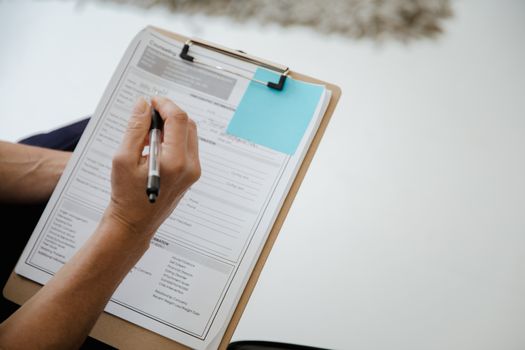 Photo: RDNE Stock project / Pexels
 Photo: Nataliya Vaitkevich / Pexels