How to become a registered nurse in California: Your Ultimate Guide
how to become a registered nurse in california

How to become a registered nurse in California: Your Ultimate Guide

Navigate the path to a rewarding nursing career in California with our expert, step-by-step guidance.

Start Your Journey

Key Takeaways

  • ✓ California is the largest employer of Registered Nurses in the U.S.
  • ✓ A minimum of an Associate Degree in Nursing (ADN) is required for licensure.
  • ✓ Passing the NCLEX-RN exam is mandatory for all applicants.
  • ✓ The California Board of Registered Nursing (BRN) oversees all licensing.

How It Works

1
Complete an Approved Nursing Program

Enroll in and successfully complete either an ADN or BSN program accredited by the California BRN. This foundational education is critical for your nursing journey.

2
Pass the NCLEX-RN Exam

After graduation, apply to the BRN for licensure and register for the National Council Licensure Examination for Registered Nurses (NCLEX-RN). This exam tests your competency.

3
Submit Licensure Application

Once you've passed the NCLEX-RN, submit a comprehensive application to the California BRN, including transcripts, fingerprints for a background check, and any required fees.

4
Receive Your California RN License

Upon successful review of your application and background check, the BRN will issue your Registered Nurse license. You are now officially ready to practice in California!

Understanding the California Registered Nurse Landscape

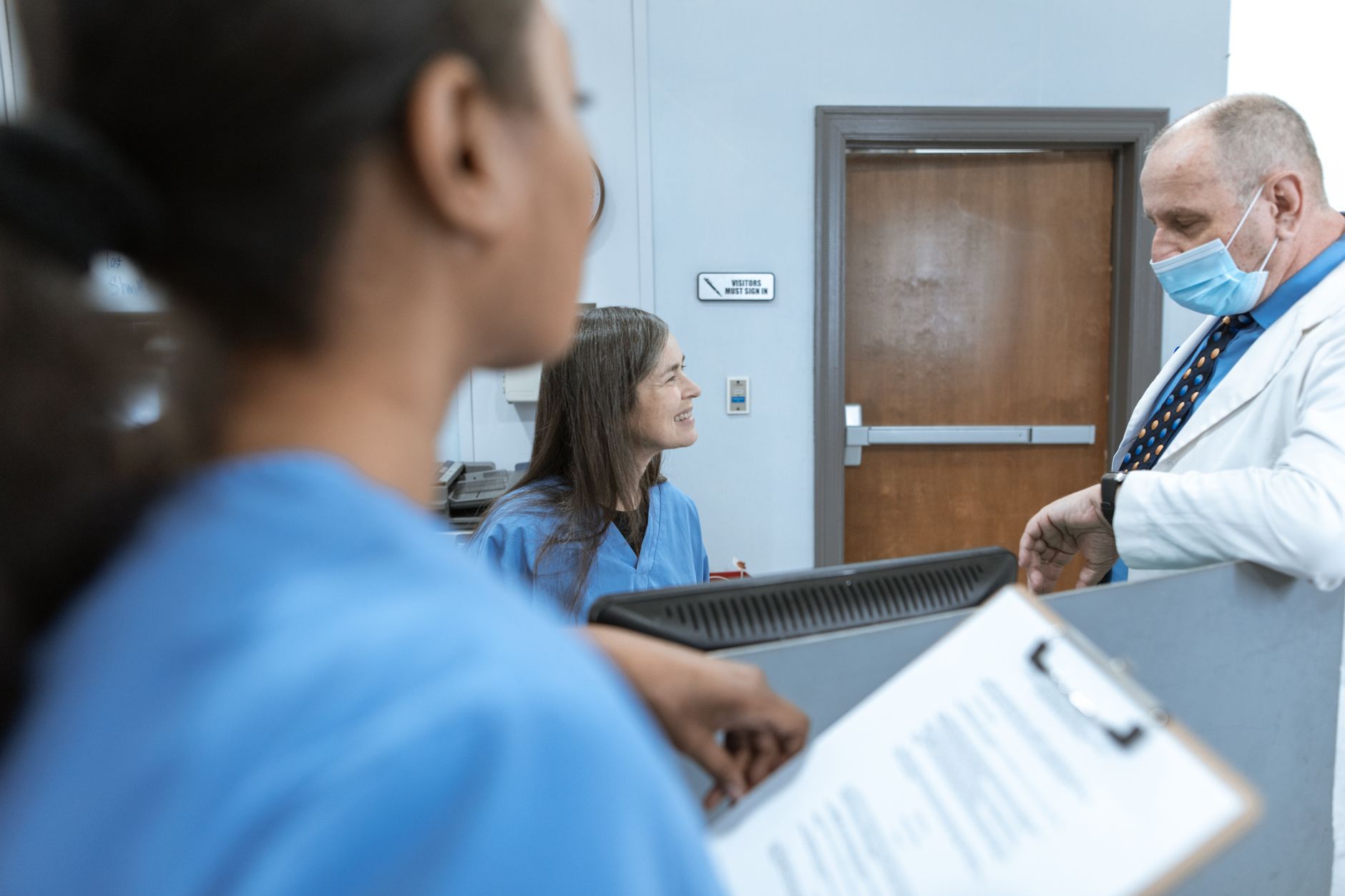
Thoughtful doctor in uniform and gloves showing diagnosis to African American female patient with short hair in blue medical robe in hallway of hospital in daytime Photo: Klaus Nielsen / Pexels
California boasts the largest and arguably one of the most competitive nursing markets in the United States. With a diverse population, cutting-edge medical facilities, and a strong emphasis on healthcare innovation, becoming a Registered Nurse (RN) in the Golden State offers unparalleled opportunities for professional growth and impact. The demand for qualified nurses remains consistently high across various specialties, from critical care and pediatrics to public health and psychiatric nursing. This robust demand is driven by several factors, including an aging population, advancements in medical technology, and ongoing healthcare reform initiatives. Consequently, California RNs often benefit from competitive salaries, comprehensive benefits packages, and a wide array of employment settings, including world-renowned hospitals, community clinics, educational institutions, and private practices. The journey to becoming an RN in California is structured and regulated by the California Board of Registered Nursing (BRN), the state agency responsible for protecting the public by ensuring that only qualified individuals are licensed to practice nursing. The BRN sets the educational standards, approves nursing programs, administers the licensure examination process, and enforces professional conduct. Aspiring nurses must navigate these regulations meticulously to ensure a smooth transition from student to licensed professional. Understanding the BRN's requirements from the outset is crucial, as any deviation can lead to delays or complications in obtaining licensure. This includes being aware of specific coursework requirements, clinical hour mandates, and background check protocols. The BRN's website is an invaluable resource, providing detailed information on all aspects of nursing licensure and practice in California. Beyond the regulatory framework, the culture of nursing in California is often characterized by a commitment to evidence-based practice, patient advocacy, and continuous professional development. Many healthcare organizations in California are Magnet-recognized, signifying excellence in nursing practice and patient care. This environment fosters a culture of learning and encourages nurses to pursue advanced degrees and specializations. Moreover, California's progressive stance on healthcare often means nurses are at the forefront of implementing new care models and technologies, providing a dynamic and intellectually stimulating work environment. For those considering a nursing career, California offers not just a job, but a pathway to a fulfilling and impactful profession where you can truly make a difference in people's lives. Delving into the specifics of nursing specialties and career paths can further illuminate the breadth of opportunities available in this vibrant state.

Educational Pathways to Becoming a California RN
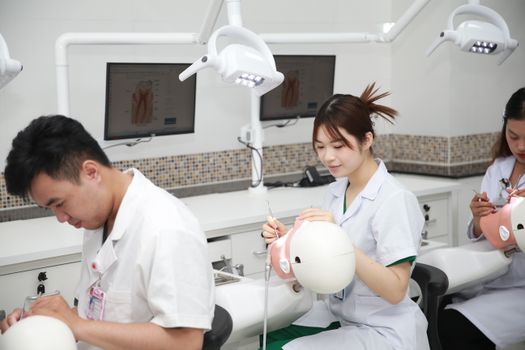
Dental students practicing procedures on training models in a classroom setting. Photo: Duy Tân Đại học / Pexels
To embark on your journey as a Registered Nurse in California, the first critical step is to complete an approved nursing education program. The California Board of Registered Nursing (BRN) recognizes two primary educational pathways that qualify candidates for licensure: the Associate Degree in Nursing (ADN) and the Bachelor of Science in Nursing (BSN). Both degrees prepare graduates to sit for the NCLEX-RN examination, but they differ significantly in their scope, duration, and long-term career implications. The ADN program is typically offered at community colleges and takes approximately two years to complete for full-time students. It provides a strong foundation in nursing theory and clinical practice, focusing on direct patient care in various settings. ADN graduates are well-prepared for entry-level nursing positions, particularly in acute care hospitals, long-term care facilities, and clinics. While the ADN is a quicker route to licensure, many healthcare institutions, particularly Magnet hospitals, increasingly prefer or even require a BSN for new hires, or mandate that ADN-prepared nurses complete a BSN within a certain timeframe after employment. This trend reflects a growing body of research suggesting that BSN-prepared nurses contribute to better patient outcomes and lower mortality rates. Conversely, the BSN program, usually offered at four-year universities, typically takes four years to complete. This curriculum not only covers fundamental nursing principles and clinical skills but also incorporates a broader education in leadership, research, community health, and public policy. BSN graduates are often seen as more desirable candidates for a wider range of positions, including management, education, and specialized roles. The BSN provides a more comprehensive understanding of healthcare systems and prepares nurses for greater autonomy and advanced practice roles in the future. Many ADN graduates choose to pursue an RN-to-BSN bridge program, which allows them to earn their bachelor's degree while continuing to work as RNs, often in a flexible online or hybrid format. Regardless of the chosen pathway, it is paramount to ensure that the nursing program is approved by the California BRN. Attending a non-approved program will render you ineligible for licensure in the state. Prospective students should meticulously verify accreditation status and program approval before enrolling. Furthermore, prerequisite courses, such as anatomy, physiology, microbiology, and chemistry, are typically required before admission to either an ADN or BSN program. These science courses are foundational to understanding the human body and disease processes, and strong performance in them is often a key factor in competitive admissions processes. Many programs also require a minimum GPA and may have specific entrance exams, such as the TEAS (Test of Essential Academic Skills), to assess academic readiness. Thorough research into specific program requirements and application deadlines is essential for successful admission. Understanding financial aid options for nursing school can also be a crucial step in planning your educational journey.

Navigating the NCLEX-RN and Licensure Application Process

A group of medical students in white coats studying together in a hospital hallway. Photo: Gustavo Fring / Pexels
Upon successful completion of an approved nursing program, the next pivotal hurdle on your path to becoming a Registered Nurse in California is passing the National Council Licensure Examination for Registered Nurses (NCLEX-RN). This standardized exam is administered nationwide and is designed to assess whether a candidate possesses the entry-level competencies required to safely and effectively practice nursing. The NCLEX-RN is a computer-adaptive test (CAT), meaning the difficulty of questions adjusts based on your performance, and it covers a wide range of nursing content areas, including client needs (safe and effective care environment, health promotion and maintenance, psychosocial integrity, and physiological integrity) and the nursing process. Preparing for the NCLEX-RN is a significant undertaking that typically begins during the final year of nursing school. Many students enroll in dedicated review courses, utilize comprehensive study guides, and practice with thousands of sample questions to familiarize themselves with the exam format and content. Effective preparation strategies often involve creating a structured study plan, identifying areas of weakness, and consistently reviewing core nursing concepts. It's crucial not just to memorize facts but to understand how to apply critical thinking and clinical judgment in various patient care scenarios, as the NCLEX-RN emphasizes these skills. Resources like UWorld, Hurst Review, Kaplan, and various online question banks are popular choices for NCLEX preparation. Simultaneously with your NCLEX preparation, you must initiate the licensure application process with the California Board of Registered Nursing (BRN). This involves several key steps. First, you will need to submit an application for licensure by examination, along with the required fees. This application typically includes providing official transcripts from your nursing program directly to the BRN, verifying your educational completion. Second, you must register with Pearson VUE, the testing vendor for the NCLEX-RN, and pay their examination fee. Once the BRN determines your eligibility, they will issue an Authorization to Test (ATT), which is necessary to schedule your NCLEX-RN exam. It's important to note that the BRN also requires a criminal background check, which involves submitting fingerprints via Live Scan. This step is critical for ensuring public safety and can sometimes take several weeks to process, so it's advisable to complete it as early as possible in the application timeline. Any past legal issues may require further explanation and review by the BRN. After successfully passing the NCLEX-RN and once all other application requirements, including the background check, have been met and reviewed by the BRN, your California Registered Nurse license will be issued. The BRN typically posts new licenses on its online verification system, and a physical license will be mailed to you. The entire process, from graduation to receiving your license, can vary in duration depending on how quickly you complete each step, the processing times at the BRN, and the availability of NCLEX testing slots. Diligence and prompt submission of all required documents are key to minimizing delays. Understanding the nuances of nursing licensure across state lines can also be beneficial if you foresee practicing outside of California in the future.

Essential Tips for Aspiring California RNs and Common Pitfalls to Avoid

Young male student explores bookshelves in university library for research. Photo: Jatin Chaudhary / Pexels
Embarking on the journey to become a Registered Nurse in California is a significant commitment that requires strategic planning and dedication. Here are some essential tips to help you succeed and common pitfalls to avoid: * **Choose the Right Program:** Don't just pick the closest or cheapest school. Research program accreditation (BRN approval is non-negotiable), NCLEX pass rates, clinical placement opportunities, and faculty-to-student ratios. A strong program foundation is critical for future success. * **Network Early and Often:** Connect with current RNs, nursing students, and faculty. Join professional nursing organizations. Networking can provide invaluable mentorship, job leads, and support throughout your education and career. Attend career fairs and professional development events. * **Master Time Management:** Nursing school is rigorous. Develop effective study habits, prioritize tasks, and learn to manage your time efficiently between classes, clinical rotations, and personal life. Procrastination is a common pitfall that can lead to overwhelming stress. * **Clinical Experience is Gold:** Treat every clinical rotation as a learning opportunity. Ask questions, volunteer for procedures, and actively participate. Strong clinical performance can lead to positive recommendations and even job offers post-graduation. Don't be a passive observer. * **Prepare Seriously for the NCLEX:** This isn't just another test. Dedicate ample time to NCLEX preparation using reputable resources. Practice critical thinking and application, not just memorization. Failing the NCLEX is a significant setback, so invest in thorough preparation. * **Understand BRN Requirements:** Read the California BRN website thoroughly. Know the application requirements, fingerprinting process, and background check implications. Any discrepancies or omissions can cause significant delays in receiving your license. * **Be Patient with the Process:** Licensure can take time, especially with background checks and BRN processing. Plan for this and avoid making job commitments that depend on an immediate license issuance. Follow up politely if there are delays, but understand the BRN handles a large volume of applications. * **Financial Planning:** Nursing school and the licensure process involve costs. Explore scholarships, grants, and student loans early. Budget for tuition, books, living expenses, application fees, and NCLEX review materials. Lack of financial planning can add unnecessary stress. * **Maintain Professionalism:** From day one in nursing school, cultivate professional behavior, communication skills, and ethical conduct. This will serve you well in clinical settings and throughout your nursing career. Avoiding these common pitfalls and embracing these tips will significantly enhance your chances of a successful and timely transition from aspiring student to a licensed Registered Nurse in the dynamic healthcare landscape of California.

Comparison

FeatureBSN PathwayADN PathwayLVN-to-RN Bridge
Duration (Full-time)~4 years~2 years~1.5-2.5 years (after LVN)
Entry-Level Salary PotentialHigherModerateModerate to High
Career Advancement OpportunitiesExcellentGood (often requires BSN progression)Good (often requires BSN progression)
Employer PreferenceIncreasingly Preferred/RequiredAccepted (often with BSN requirement)Accepted
FocusComprehensive, Leadership, ResearchDirect Patient Care, FundamentalsBuilds on LVN knowledge, RN scope
CostHigher (university tuition)Lower (community college tuition)Moderate
Required PrerequisitesExtensive science/gen edStandard science/gen edLVN license + some gen ed

What Readers Say

"This guide was incredibly helpful in laying out the exact steps I needed to follow to become a registered nurse in California. The detailed breakdown of the BRN requirements and NCLEX prep really demystified the process for me. I feel much more confident about my journey now."

Sarah J. · Los Angeles, CA

"As someone transitioning careers, the information on educational pathways was a lifesaver. I wasn't sure whether to pursue an ADN or BSN, and this article clearly explained the pros and cons of each for a California RN license. Excellent resource!"

Mark T. · San Diego, CA

"Following the advice in this guide, especially regarding early NCLEX preparation and understanding the BRN's application process, allowed me to get my California RN license much faster than my peers. I started my first nursing job just two months after graduation!"

Jessica L. · San Jose, CA

"The guide provided a solid overview, though I wish there was a bit more detail on specific scholarship opportunities for California nursing students. Still, the breakdown of the licensure steps and the importance of clinical experience was spot on and very practical."

David R. · Sacramento, CA

"I'm an LVN looking to bridge to RN, and the comparison table was exactly what I needed. It clarified the LVN-to-RN pathway in the context of California's requirements. This article is a must-read for anyone serious about a nursing career here."

Emily K. · Oakland, CA

Frequently Asked Questions

What are the absolute minimum educational requirements to become a registered nurse in California?

To become a Registered Nurse (RN) in California, you must complete at least an Associate Degree in Nursing (ADN) from a program approved by the California Board of Registered Nursing (BRN). While a Bachelor of Science in Nursing (BSN) is increasingly preferred by employers and offers broader career opportunities, an ADN is the minimum educational prerequisite for sitting for the NCLEX-RN exam and obtaining your initial license.

Is the NCLEX-RN exam difficult to pass for California licensure?

The NCLEX-RN is a rigorous, comprehensive exam designed to assess entry-level nursing competence. Its difficulty is subjective, but with dedicated preparation, including review courses, practice questions, and understanding critical thinking application, most graduates of approved nursing programs are successful. California's first-time pass rates are generally in line with national averages, indicating that thorough preparation is key.

How long does it typically take to get an RN license after passing the NCLEX in California?

After passing the NCLEX-RN, the time it takes to receive your California RN license can vary. It largely depends on how quickly the California Board of Registered Nursing (BRN) processes your full application, including your official transcripts and the results of your criminal background check (Live Scan fingerprints). While some applicants may receive their license within a few weeks, it's not uncommon for the process to take several weeks to a couple of months. Ensure all documents are submitted promptly and correctly to avoid delays.

What are the estimated costs associated with becoming an RN in California?

The costs vary significantly based on your chosen educational pathway. An ADN program at a community college might range from $5,000 to $20,000 for tuition, while a BSN at a public university could be $20,000 to $80,000, and private universities even higher. Beyond tuition, you'll incur expenses for books, uniforms, clinical supplies, application fees to the BRN (around $300), NCLEX exam fee (around $200), and Live Scan fingerprinting (around $70). Factor in living expenses and potential lost income during your studies.

How does becoming an RN in California compare to other states?

California's RN licensure process is generally similar to other states in requiring an approved nursing education and passing the NCLEX-RN. However, California has unique aspects, including a robust demand for nurses, higher average salaries, and specific BRN regulations. The state does not participate in the Nurse Licensure Compact (NLC), meaning a separate California license is required even if you hold a compact license from another state. Its highly regulated environment ensures high standards of practice.

Who should consider becoming a registered nurse in California?

Individuals who are compassionate, detail-oriented, possess strong critical thinking skills, and are committed to lifelong learning should consider becoming an RN in California. Those seeking a challenging yet deeply rewarding career with excellent job prospects, competitive compensation, and the opportunity to work in diverse, innovative healthcare settings will find California an ideal place to pursue nursing.

Are there any risks or challenges unique to nursing in California?

While rewarding, nursing in California comes with challenges. The high cost of living, particularly in urban areas, can offset higher salaries. The competitive job market, especially for new graduates in highly sought-after specialties or locations, means strong academic performance and networking are crucial. Additionally, California's strict nurse-to-patient ratios, while beneficial for patient care, can lead to intense work environments and high expectations for efficiency and competency.

What are the future trends for registered nurses in California?

Future trends for RNs in California include an increasing demand for nurses in specialized areas like geriatrics, home health, and informatics due to an aging population and technological advancements. There's also a growing emphasis on BSN-prepared nurses and advanced practice roles (NP, CNS). Telehealth and remote patient monitoring are expanding, requiring nurses to adapt to new care delivery models. Continuous education and specialization will be key to staying competitive and advancing in the field.

Ready to transform your passion into a profession? Take the first step towards becoming a registered nurse in California today. Explore accredited programs and begin your journey to a fulfilling and impactful healthcare career.

Topics: how to become a registered nurse in californiaCalifornia RN licensenursing schools CaliforniaNCLEX CaliforniaRN career California
Leo List

DK Escorts LU Escorts AT Escorts SE Escorts FI Escorts CH Escorts DE Escorts HR Escorts IE Escorts GR Escorts CZ Escorts NO Escorts BE Escorts FR Escorts SI Escorts IL Escorts NL Escorts PL Escorts HU Escorts ES Escorts IT Escorts PT Escorts SK Escorts RO Escorts ZA Escorts UY Escorts US Escorts UK Escorts NZ Escorts AU Escorts
Brampton weed
Adultwork EstrelaBet Vai de Bet R7 Bet Betão Galera Bet Rainbet Bet9ja Shop SportyBet BetKing Sisal Loto Foot Hollywoodbets YesPlay Odibets RushBet Jugabet BetWarrior BetCity MSport betPawa Fortebet