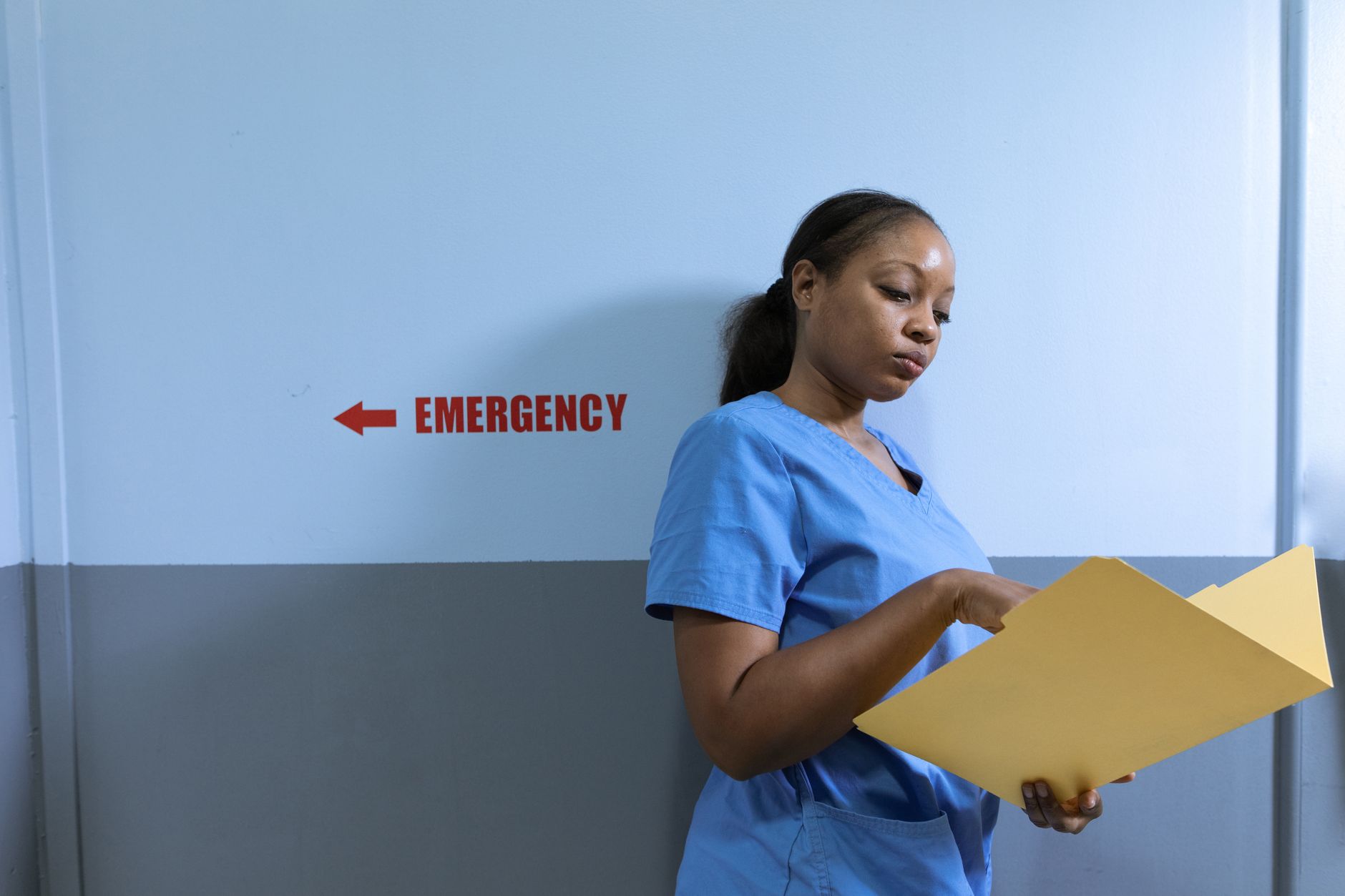
Navigating Emergency Room Wait Times New York
emergency room wait times new york

Navigating Emergency Room Wait Times New York

Gain critical insights and practical strategies to minimize your wait and access timely medical care in NYC.

Get Informed Now

Key Takeaways

  • ✓ Average ER wait times in NYC can range from 30 minutes to several hours, depending on the facility and time of day.
  • ✓ Triage systems prioritize patients based on severity, meaning those with life-threatening conditions are seen first.
  • ✓ Urgent care centers are a viable alternative for non-life-threatening conditions, often with shorter wait times.
  • ✓ Utilizing online tools and apps can help you check current wait times at various New York hospitals before you go.

How It Works

1
Assess Your Condition

Determine if your medical issue is truly an emergency requiring immediate ER attention or if an urgent care center or telehealth visit could suffice. This initial assessment is crucial for choosing the right path.

2
Research Nearby Facilities

Before heading out, use online resources, hospital websites, or specialized apps to check real-time emergency room wait times in New York. This proactive step can save you valuable time and reduce stress.

3
Prepare for Your Visit

Gather essential information like your insurance card, photo ID, a list of medications, and medical history. Being prepared can expedite the registration process once you arrive at the facility.

4
Communicate Effectively

Clearly articulate your symptoms and concerns to the triage nurse and medical staff. Providing a concise yet comprehensive overview of your condition helps them prioritize and provide appropriate care.

Understanding Emergency Room Wait Times in New York

Bright and clean medical waiting room with modern seating and decor. Photo: Los Muertos Crew / Pexels
Emergency room wait times in New York are a frequent concern for residents and visitors alike. The fast-paced, high-density environment of New York City, coupled with its status as a major global hub, places unique pressures on its healthcare system. Understanding the factors that contribute to these wait times is the first step toward navigating them more effectively. Several key elements play a significant role. Firstly, patient volume is a primary driver. Hospitals in densely populated areas like Manhattan, Brooklyn, or the Bronx often experience higher patient influxes, particularly during peak hours, flu seasons, or unforeseen public health crises. Weekends and evenings also typically see an increase in visits, as primary care offices may be closed, directing more patients to the ER. The severity of cases presenting at the ER is another critical factor. Emergency departments operate on a triage system, a medical process that sorts patients based on the urgency of their condition. This means that patients with life-threatening illnesses or injuries, such as heart attacks, strokes, or severe trauma, will always be seen before someone with a less critical condition, like a sprained ankle or a common cold. While this is medically necessary and ensures the most critical receive immediate attention, it inherently extends the wait for those with less severe issues. Resource availability also impacts wait times. This includes the number of available physicians, nurses, and support staff, as well as the capacity of beds, diagnostic equipment (like X-ray or CT scanners), and specialist consultations. A shortage in any of these areas can create bottlenecks, leading to longer waits, even if patient volume isn't exceptionally high. Furthermore, the complexity of cases can prolong a patient's stay, occupying resources for extended periods. For instance, a patient requiring extensive diagnostic testing, observation, or admission to a specialized unit will occupy ER resources longer than someone treated and discharged quickly. The discharge process itself can also contribute to delays if there's a lack of available beds upstairs or if complex discharge planning is required. Finally, administrative processes, while necessary, can add to the overall wait. Registration, insurance verification, and data entry all take time. While many New York hospitals strive for efficiency, these steps are integral to patient care and billing. Being aware of these contributing factors can help individuals set realistic expectations and make more informed decisions about when and where to seek emergency care in New York. While unpredictable, understanding these dynamics empowers patients to better prepare for the experience and consider alternatives when appropriate.

Strategies to Reduce Your Emergency Room Wait in NYC
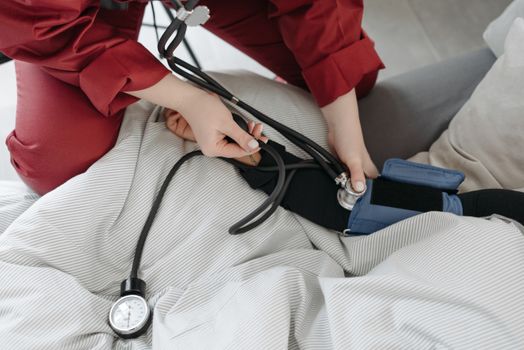
A medical professional checking a patient's blood pressure using a sphygmomanometer in a cozy setting. Photo: Pavel Danilyuk / Pexels
Given the potential for extended emergency room wait times in New York, adopting proactive strategies can significantly improve your experience and access to care. One of the most effective approaches is to differentiate between a true medical emergency and an urgent but non-life-threatening condition. A true emergency, such as severe chest pain, sudden weakness or numbness, uncontrolled bleeding, or difficulty breathing, warrants an immediate ER visit. For these critical situations, time is of the essence, and the ER is the only appropriate choice. However, for conditions like minor cuts, sprains, flu symptoms, or severe colds, an urgent care center can be a far more efficient and often less costly alternative. New York City boasts numerous urgent care facilities that are equipped to handle a wide range of non-emergency medical issues, typically with much shorter wait times than a hospital ER. Many urgent care centers also offer walk-in appointments and extended hours, providing accessible care without the typical ER burden. Leveraging technology is another powerful tool. Many New York hospitals and third-party healthcare apps now provide real-time or estimated emergency room wait times online. Before you leave your home, take a few moments to check these resources for hospitals in your vicinity. This allows you to compare wait times and potentially choose a facility with a shorter queue, provided it's safe and practical to travel there. Some platforms even allow you to 'check-in' online for certain conditions, streamlining the registration process upon arrival. Telehealth services have also emerged as a valuable option, particularly for minor ailments or questions that don't require an in-person examination. A virtual consultation with a doctor can often provide guidance, prescriptions, or a referral, saving you a trip to any physical facility. This can be especially useful for those who are unsure if their condition warrants an urgent care or ER visit. If an ER visit is unavoidable, being prepared can still make a difference. Have your insurance information, a list of current medications, known allergies, and relevant medical history readily available. This information will be requested during registration and triage, and having it organized can speed up the administrative process. Additionally, clearly and concisely communicate your symptoms and concerns to the triage nurse. Provide specific details about your pain, duration of symptoms, and any recent changes. This helps the medical staff accurately assess your condition and prioritize your care. While you cannot control the flow of patients or the severity of others' conditions, taking these strategic steps can empower you to navigate the emergency room system in New York more effectively and potentially reduce your personal wait time, leading to a less stressful and more efficient healthcare experience.

Navigating Specific New York Hospital ERs and Their Challenges

Ambulance parking area on a quiet street near a modern building with road access. Photo: Timothy Huliselan / Pexels
New York City's diverse hospital landscape means that emergency room wait times can vary significantly from one facility to another, even within the same borough. Each hospital system faces its own unique set of challenges and operational strengths that influence patient flow. For instance, large academic medical centers like NYU Langone Health, NewYork-Presbyterian, or Mount Sinai Hospital often serve as major trauma centers and specialized care hubs. This means they frequently receive the most critically ill or injured patients, which, while vital for specialized care, can lead to longer wait times for non-critical cases due to the intensive resources these patients demand. These institutions also tend to have residents and fellows in training, which can sometimes add layers to the diagnostic and treatment process, though it also ensures a high level of expertise. In contrast, community hospitals, while still offering comprehensive emergency services, might have a different patient demographic and fewer specialized units. Their wait times could be influenced more by general patient volume fluctuations or staffing levels. Understanding the typical patient load and specialization of a particular hospital can help in making an informed decision. For example, if you have a condition that is clearly not life-threatening but requires immediate attention, a smaller community hospital might offer a quicker turnaround than a major academic center. Geographic location within New York also plays a crucial role. Hospitals in highly populated areas or those adjacent to major transportation hubs (like Bellevue Hospital near Grand Central/Penn Station, or hospitals in downtown Brooklyn) may experience higher walk-in volumes or receive patients from accidents. Hospitals in more residential areas might have more predictable, though still variable, wait times. Public transportation accessibility can also indirectly affect ER traffic; facilities easily reached by subway or bus might see a broader range of patients. Moreover, the specific internal protocols and efficiency measures implemented by each hospital system can impact wait times. Some hospitals have invested heavily in advanced triage systems, rapid assessment units, or dedicated fast-track areas for minor injuries, which can significantly reduce processing times for certain patient groups. Others may still be optimizing their patient flow. It's also worth noting that hospital mergers and acquisitions in New York have reshaped the healthcare landscape, sometimes leading to consolidation of services or changes in patient routing that can affect wait times. For patients, this means that what was true for a particular hospital's ER wait a few years ago might not be the case today. Researching current information, whether through online hospital portals, patient advocacy groups, or local news, is essential for gaining the most up-to-date picture of emergency room wait times across New York's diverse healthcare network. Being aware of these distinctions empowers patients to choose the most appropriate and potentially quickest ER for their specific needs, though in true emergencies, proximity remains the primary concern.

Avoiding Common Mistakes and Maximizing Your ER Visit

Doctors and nurses conversing near emergency room in a hospital setting. Photo: RDNE Stock project / Pexels
When faced with a potential emergency, making the right decisions can significantly impact your experience with emergency room wait times in New York. Avoiding common mistakes is as crucial as knowing what to do. One of the biggest pitfalls is rushing to the ER for a condition that could be effectively treated at an urgent care center or even via a telehealth consultation. Overcrowding in ERs is often exacerbated by non-emergency cases, which not only lengthens waits for everyone but also diverts critical resources. Always ask yourself: Is this truly life-threatening? If not, explore alternatives first. Another mistake is arriving unprepared. Without your insurance card, a list of medications, allergies, and your medical history, the registration process can become unnecessarily prolonged. This information is vital for accurate and safe care, so having it readily accessible, perhaps in a dedicated folder or on your phone, can save valuable time. Not communicating effectively with the triage nurse is another common error. Patients sometimes downplay symptoms or are too vague. Be direct, honest, and provide specific details about your pain level, when symptoms started, and any changes you’ve noticed. This helps the medical team accurately assess your condition and prioritize your care appropriately. Conversely, being overly aggressive or demanding will not speed up your wait and can hinder effective communication. Remember, medical staff are working under immense pressure. Lastly, neglecting to utilize available technology is a missed opportunity. Many New York hospitals and healthcare platforms offer online wait time estimates. Failing to check these before you leave can lead you to a facility with significantly longer waits when a nearby alternative might be less busy. Make it a habit to check these resources when a non-critical ER visit is being considered. By avoiding these common mistakes and actively preparing for your visit, you can streamline your experience and potentially reduce your time spent waiting in the emergency room in New York.

Comparison

FeatureEmergency RoomUrgent Care CenterTelehealth/Virtual Visit
Condition SeverityLife-threatening/SevereNon-life-threatening/UrgentMinor ailments/Consultation
Wait Times (NYC Avg)1-4+ hours15-60 minutesImmediate-30 minutes
CostHighestModerateLowest
Services OfferedFull diagnostics, surgery, ICUX-rays, labs, minor proceduresDiagnosis, prescriptions, referrals
Availability24/7Extended hours, walk-in24/7 (varies by provider)
Best ForHeart attack, stroke, traumaSprains, flu, infectionsColds, rashes, medication refills

What Readers Say

"I used an online tool to check emergency room wait times in New York before heading out. It saved me hours! Ended up going to a hospital further away but was seen much faster, which was crucial for my child's high fever."

Sarah Chen · Queens, NY

"My experience at NewYork-Presbyterian's ER was surprisingly efficient. While I still waited, the triage was quick and the staff kept me informed about my place in line, which made the emergency room wait times in New York more bearable."

David Rodriguez · Manhattan, NY

"After a minor accident, I opted for an urgent care center instead of the ER, based on online advice. My wait was less than 30 minutes, and I received excellent care. This was a game-changer for avoiding long emergency room wait times in New York."

Emily White · Brooklyn, NY

"The ER wait at Montefiore was long, as expected, but the medical staff were incredibly attentive once I was in. They apologized for the delay and explained the process. It's clear they're doing their best with the high volume of patients."

Michael Lee · Bronx, NY

"Being prepared with all my medical documents significantly streamlined my registration process at Richmond University Medical Center. Even with a busy ER, having everything ready felt like it cut down on my overall emergency room wait times in New York."

Jessica Brown · Staten Island, NY

Frequently Asked Questions

What is the average emergency room wait time in New York?

Average emergency room wait times in New York can range widely, from 30 minutes to over 4 hours, depending on the specific hospital, time of day, day of the week, and the severity of your condition. Major academic centers often have longer waits due to higher patient volumes and more critical cases.

How can I check real-time emergency room wait times in New York?

Many New York hospitals provide estimated ER wait times on their official websites. Additionally, several third-party apps and healthcare platforms aggregate this data, allowing you to compare wait times across different facilities in real-time. Always check multiple sources for the most accurate information.

When should I go to an urgent care center instead of a New York ER?

You should choose an urgent care center for non-life-threatening conditions that still require prompt attention, such as colds, flu, minor cuts, sprains, infections, or allergic reactions. Save the emergency room for severe, life-threatening conditions like chest pain, severe bleeding, difficulty breathing, or neurological symptoms.

Are emergency room visits more expensive than urgent care in NYC?

Yes, emergency room visits are generally significantly more expensive than urgent care visits in NYC, even for the same condition. ERs are equipped for complex, critical care, and their billing reflects this. Urgent care centers offer a more cost-effective option for less severe medical issues.

Does my insurance cover emergency room visits in New York?

Most health insurance plans cover emergency room visits, especially for true medical emergencies. However, coverage details, deductibles, and co-pays can vary widely depending on your specific plan. It's always best to understand your policy's emergency care coverage before a situation arises.

Who should use emergency room wait times new york?

Anyone in New York City or the surrounding areas facing a medical emergency, or those seeking information to make informed decisions about where to seek care, should utilize resources about emergency room wait times. This includes residents, visitors, and caregivers of individuals needing immediate medical attention.

Is it safe to delay going to the ER if wait times are long?

It is never safe to delay going to the ER if you are experiencing a true medical emergency or life-threatening symptoms. While wait times can be frustrating, the triage system ensures that the most critical patients are seen first. For non-emergencies, exploring urgent care or telehealth is a safer alternative than delaying necessary care.

How might technology impact future emergency room wait times in New York?

Future emergency room wait times in New York could be significantly improved by advancements in technology. This includes more sophisticated AI-driven triage systems, better integration of telehealth for initial assessments, enhanced data sharing between facilities to balance patient loads, and personalized digital health tools that guide patients to the most appropriate level of care, thereby reducing unnecessary ER visits.

Navigating emergency room wait times in New York doesn't have to be a source of overwhelming stress. By understanding the system, utilizing available resources, and making informed choices, you can improve your access to timely and appropriate medical care. Be prepared, be proactive, and prioritize your health.

Topics: emergency room wait times new yorkNYC ER waitsNew York urgent careER alternatives NYChealthcare access New York
Leo List

DK Escorts LU Escorts AT Escorts SE Escorts FI Escorts CH Escorts DE Escorts HR Escorts IE Escorts GR Escorts CZ Escorts NO Escorts BE Escorts FR Escorts SI Escorts IL Escorts NL Escorts PL Escorts HU Escorts ES Escorts IT Escorts PT Escorts SK Escorts RO Escorts ZA Escorts UY Escorts US Escorts UK Escorts NZ Escorts AU Escorts
Brampton weed
Adultwork EstrelaBet Vai de Bet R7 Bet Betão Galera Bet Rainbet Bet9ja Shop SportyBet BetKing Sisal Loto Foot Hollywoodbets YesPlay Odibets RushBet Jugabet BetWarrior BetCity MSport betPawa Fortebet