The Key Difference Between Urgent Care and Emergency Room
difference between urgent care and emergency room

The Key Difference Between Urgent Care and Emergency Room

Knowing where to go for medical care can save lives, reduce costs, and ensure you get the right treatment.

Find Your Best Option

Key Takeaways

  • ✓ Emergency Rooms (ERs) are for life-threatening conditions; Urgent Care centers are for non-life-threatening but immediate needs.
  • ✓ ER wait times are often significantly longer than urgent care, especially for non-critical issues.
  • ✓ The cost of an ER visit is substantially higher than an urgent care visit for similar conditions.
  • ✓ Both facilities can treat a wide range of illnesses and injuries, but their scope and resources differ dramatically.

How It Works

1
Assess Your Symptoms

Before heading out, take a moment to evaluate the severity and nature of your symptoms. Is it a sudden, severe pain or a persistent but manageable discomfort?

2
Identify Life-Threatening Indicators

Look for signs like severe chest pain, difficulty breathing, major bleeding, sudden numbness, or loss of consciousness. These unequivocally point to an ER visit.

3
Consider Urgent, Non-Emergency Needs

For conditions like minor cuts, sprains, flu symptoms, or urinary tract infections, urgent care offers immediate attention without the ER's intensity or cost.

4
Consult Your Primary Care Provider (PCP) If Possible

If your PCP is available and your condition isn't dire, they are often the best first point of contact for guidance or direct treatment. They know your medical history best.

Understanding the Role of the Emergency Room (ER)

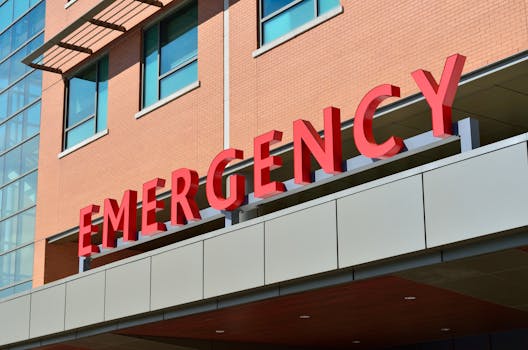
The Emergency Room (ER) is a vital component of our healthcare system, designed specifically to handle severe, life-threatening conditions that require immediate medical intervention. Think of the ER as the frontline for critical care, equipped with advanced diagnostic tools, specialized medical personnel, and the capacity for complex procedures and admissions. When you experience symptoms such as sudden and severe chest pain, difficulty breathing, signs of stroke (e.g., sudden numbness or weakness on one side of the body, slurred speech, confusion), major trauma (e.g., severe car accident injuries, deep wounds with uncontrolled bleeding, significant burns), or loss of consciousness, the ER is unequivocally the correct destination. These are situations where every minute counts, and delaying care can have dire consequences, potentially leading to permanent disability or death. ERs operate 24 hours a day, seven days a week, ensuring that critical care is always accessible. They are staffed by emergency physicians, nurses, and a wide array of specialists who can be called upon as needed. The triage process in an ER prioritizes patients based on the severity of their condition, meaning that someone with a life-threatening injury will be seen before someone with a less critical ailment, even if the latter arrived first. While this system is essential for saving lives, it often results in long wait times for non-emergent conditions. The comprehensive nature of ER care, including extensive diagnostic testing (MRI, CT scans, advanced lab work) and potentially complex treatments, contributes to significantly higher costs compared to other healthcare settings. Understanding the ER's primary function—to stabilize and treat acute, life-threatening emergencies—is crucial for making informed decisions about where to seek medical help. For a deeper dive into medical emergencies, explore our guide on recognizing critical symptoms.

Navigating Urgent Care Centers: When and Why

Urgent Care Centers fill a crucial gap between your primary care physician's office and the emergency room. They are designed to treat illnesses and injuries that require prompt attention but are not life-threatening. These centers offer a convenient, cost-effective alternative for conditions that can't wait for a regular doctor's appointment but don't warrant an ER visit. Common reasons to visit an urgent care center include colds, flu, sore throats, ear infections, minor cuts that might need stitches, sprains, strains, urinary tract infections, rashes, and mild asthma attacks. Unlike ERs, urgent care centers typically have shorter wait times and operate on a walk-in basis, often with extended hours into the evenings and weekends. This accessibility is a major benefit for those unexpected illnesses or injuries that arise outside of standard office hours. The staff at urgent care centers usually includes physicians, physician assistants, and nurse practitioners who are experienced in treating a broad spectrum of common medical conditions. They have diagnostic capabilities such as X-rays for suspected fractures and basic lab tests (e.g., strep throat tests, urinalysis), allowing for immediate diagnosis and treatment of many conditions. The cost of an urgent care visit is considerably less than an ER visit, making it a financially prudent choice for appropriate conditions. This difference in cost is a significant factor for many patients, especially those with high-deductible insurance plans or no insurance. Choosing urgent care for non-emergent issues not only saves money but also helps reduce the burden on ERs, allowing them to focus their resources on true emergencies. It's important to remember that while urgent care centers provide excellent immediate care for many conditions, they do not replace the ongoing relationship you have with your primary care provider for chronic condition management or preventative care. They are an episodic care solution for acute, non-critical needs.

Cost, Convenience, and Quality of Care: A Comparative Analysis

When deciding between an urgent care center and an emergency room, three key factors often come into play: cost, convenience, and the perceived quality of care. Understanding how these elements differ can guide you to the most appropriate and beneficial healthcare setting. **Cost:** This is perhaps the most significant differentiator for many patients. ER visits are, without exception, more expensive than urgent care visits. The billing structure in an ER accounts for the readiness to handle any critical condition, 24/7 staffing with a wide range of specialists, and access to advanced diagnostic equipment. Even for what might seem like a minor issue, an ER visit can incur facility fees, physician fees, and charges for every test or procedure, quickly escalating into hundreds or even thousands of dollars. Urgent care centers, on the other hand, have a more streamlined operational model, focusing on a specific range of non-life-threatening conditions. Their overhead is lower, and their services are priced accordingly, often comparable to a specialist co-pay. This cost difference can be substantial, making urgent care a financially savvy choice for appropriate conditions. **Convenience:** Urgent care centers are typically designed for convenience. Many operate on a walk-in basis, have extended hours (evenings, weekends, and holidays), and are often located in easily accessible community settings. Wait times are generally shorter than in an ER, where patients are triaged based on the severity of their condition, not their arrival time. While ERs are open 24/7, their focus on critical care means that patients with less severe conditions may endure long waits. This aspect of convenience can be a deciding factor when you need prompt attention but aren't facing a life-threatening situation. **Quality of Care:** Both urgent care and ER facilities provide high-quality medical care, but their scope and specialization differ. ERs are equipped and staffed to handle the most complex and life-threatening medical emergencies, offering a broader range of diagnostic tools and specialist consultations. For true emergencies, the ER's comprehensive capabilities are unmatched. Urgent care centers provide excellent care for their specific scope of practice, which includes common illnesses and minor injuries. The physicians, physician assistants, and nurse practitioners in urgent care are highly skilled in diagnosing and treating these conditions effectively. However, they are not equipped for major trauma, complex surgical interventions, or intensive care. Choosing the right facility ensures you receive care appropriate to your condition's severity, optimizing both your health outcomes and your financial outlay. For more on navigating healthcare costs, see our article on understanding medical billing.

Making the Right Choice: Tips and Common Mistakes to Avoid

Deciding where to seek medical attention can be stressful, especially when you're feeling unwell or are concerned about a loved one. Making the right choice is crucial for your health, your wallet, and the efficiency of the healthcare system. Here are some tips to help you navigate this decision and common mistakes to avoid: **Tips for Making the Right Choice:** * **Know Your Symptoms:** Before anything else, assess the severity of your symptoms. Is it sudden, severe, and potentially life-threatening (e.g., crushing chest pain, severe difficulty breathing, sudden loss of vision)? If so, call 911 or go to the nearest ER immediately. * **Consider Your Primary Care Provider (PCP) First:** For non-urgent issues, your PCP is always the best starting point. They know your medical history, current medications, and can provide continuity of care. Many PCPs offer same-day appointments or telehealth options for minor concerns. * **Use Telehealth for Minor Ailments:** For very minor issues like cold symptoms, allergies, or medication questions, a telehealth visit can be incredibly convenient and cost-effective, saving you a trip altogether. * **Have a Plan:** Discuss with your family what constitutes an ER visit versus an urgent care visit. Knowing this in advance can reduce panic and improve decision-making during a medical event. * **Check Insurance Coverage:** Understand your insurance plan's co-pays and deductibles for ER and urgent care visits. This knowledge can help you make a financially informed decision when appropriate. **Common Mistakes to Avoid:** * **Going to the ER for Minor Issues:** This is perhaps the most common mistake. Using the ER for conditions like a common cold, minor sprain, or ear infection not only incurs significantly higher costs but also contributes to longer wait times for true emergencies. It also diverts resources from those who need them most. * **Delaying ER Care for Serious Symptoms:** Conversely, don't delay going to the ER if you suspect a serious or life-threatening condition. Waiting to see if symptoms improve or going to urgent care first for something like severe abdominal pain or signs of a stroke can be dangerous and worsen outcomes. * **Not Knowing Your Urgent Care Options:** Be aware of the urgent care centers in your area, their hours, and what services they offer. Some urgent cares specialize or have different diagnostic capabilities. * **Self-Diagnosing and Self-Treating Without Professional Advice:** While some minor issues can be managed at home, relying solely on internet searches for severe or persistent symptoms can be risky. Always seek professional medical advice when in doubt. * **Ignoring Follow-Up Care:** Regardless of where you receive initial care, always follow up with your PCP or specialists as recommended. This ensures continuity of care and proper management of your condition.

Comparison

FeatureUrgent CareEmergency RoomPrimary Care Provider (PCP)
Condition TypeNon-life-threatening illnesses/injuriesLife-threatening emergenciesRoutine care, chronic conditions
Wait TimesTypically shorter (minutes to 1-2 hours)Can be very long (hours), triage-basedScheduled appointments, sometimes same-day
CostLower (similar to specialist co-pay)Highest (significant facility fees)Lowest (standard office visit co-pay)
Hours of OperationExtended hours, weekends, holidays24/7Standard business hours
Diagnostic CapabilitiesX-rays, basic lab testsAdvanced imaging (CT, MRI), extensive labs, specialistsBasic lab tests, referrals for imaging
StaffPhysicians, PAs, NPsEmergency Physicians, specialists, nursesPCPs, PAs, NPs
Best ForColds, flu, sprains, minor cutsHeart attack, stroke, major traumaPreventative care, chronic disease management
After-Hours Care✗ (usually)

What Readers Say

"I had a nasty cut on my hand that needed stitches. I knew it wasn't an emergency, so I went to urgent care instead of the ER. The difference in wait time and cost was incredible – I was in and out in under an hour and paid a fraction of what I would have at the hospital."

Sarah J. · Austin, TX

"My son woke up with a high fever and difficulty breathing. We rushed him to the emergency room immediately, and they were incredible. They quickly stabilized him, and knowing the difference between urgent care and ER in that moment probably saved us from a much worse outcome."

Mark D. · Orlando, FL

"I used to go to the ER for everything, even a bad cold. After learning the difference between urgent care and emergency room, I now choose urgent care for things like UTIs or minor sprains. It's so much more efficient and less stressful, and my insurance bills are way lower."

Emily R. · Denver, CO

"While urgent care is great for many things, I did go once for what I thought was a bad sprain, and they ended up sending me to the ER for a suspected fracture. It was an extra step, but I appreciate that they recognized the need for more specialized imaging and didn't try to treat it beyond their scope. It highlights the importance of making the right initial call."

David L. · Seattle, WA

"I moved to a new city and didn't have a PCP yet. When I got a really bad sinus infection, I found an urgent care clinic. It was so helpful to get immediate treatment without having to navigate the ER for something non-life-threatening. Understanding the difference between urgent care and emergency room truly empowered me."

Jessica M. · Chicago, IL

Frequently Asked Questions

What is the primary difference between urgent care and emergency room?

The primary difference lies in the severity of the condition they treat. Urgent care centers handle non-life-threatening illnesses and injuries that require prompt attention, while emergency rooms are equipped for severe, life-threatening conditions that demand immediate medical intervention and advanced resources.

Can urgent care treat broken bones?

Urgent care centers can often diagnose and treat *minor* fractures and sprains, especially those that don't involve significant displacement or require surgery. They typically have X-ray capabilities. However, complex fractures or those requiring immediate surgical consultation will be referred to an emergency room.

When should I call 911 instead of going to urgent care or the ER?

You should call 911 for any situation where immediate medical transport is needed, or if the person's condition is life-threatening and they cannot be safely transported by private vehicle. This includes severe chest pain, signs of stroke, major bleeding, unconsciousness, severe allergic reactions, or major trauma.

Is an urgent care visit always cheaper than an ER visit?

Yes, almost without exception, an urgent care visit will be significantly cheaper than an ER visit for the same or similar condition. ERs have higher facility fees and charges due to their comprehensive, 24/7 critical care capabilities, regardless of the actual treatment received.

Can urgent care centers prescribe medication?

Yes, urgent care centers are staffed by licensed medical professionals (physicians, PAs, NPs) who can diagnose conditions and prescribe medications, including antibiotics, pain relievers, and other necessary treatments, within their scope of practice.

Who should use urgent care instead of the ER?

Individuals experiencing non-life-threatening conditions like colds, flu, minor infections, sprains, rashes, or minor cuts should opt for urgent care. It's also a good option when your primary care doctor isn't available and you need prompt attention but aren't in a dire emergency.

Are there any risks in choosing urgent care over the ER for a serious condition?

Yes, a significant risk exists if you misjudge the severity of your condition and choose urgent care for a true emergency. Delaying critical care by going to urgent care first for a life-threatening issue can lead to worse outcomes, permanent damage, or even be fatal. When in doubt, err on the side of caution and go to the ER or call 911.

Will urgent care replace my primary care physician?

No, urgent care centers are not meant to replace your primary care physician (PCP). Your PCP provides ongoing, comprehensive, and preventative care, manages chronic conditions, and has a complete understanding of your medical history. Urgent care is for episodic, acute needs when your PCP is unavailable.

Empower yourself with knowledge. Understanding the difference between urgent care and emergency room is not just about convenience; it's about making informed decisions for your health and well-being. Choose wisely to ensure you receive the right care, at the right time, and at the right cost.

Topics: difference between urgent care and emergency roomurgent care vs ERwhen to go to urgent carewhen to go to emergency roommedical care options
Leo List
Brampton weed
Adultwork