✓ MRI costs without insurance can range from $400 to $10,000+ depending on facility, body part, and region.
✓ Cash-pay discounts and payment plans are often available for uninsured patients.
✓ Shopping around and comparing prices from different imaging centers is crucial.
✓ Financial assistance programs and charity care can significantly reduce out-of-pocket expenses.
How It Works
1
Understand Your MRI Needs
Confirm with your doctor which specific type of MRI is required (e.g., brain, knee, with or without contrast). This precision helps in getting accurate quotes.
2
Research and Compare Providers
Contact multiple freestanding imaging centers, hospital outpatient departments, and even university hospitals. Ask for their self-pay or cash price upfront.
3
Negotiate and Inquire About Discounts
Don't hesitate to negotiate the price. Many facilities offer significant discounts for upfront cash payments or have financial assistance programs for uninsured individuals.
4
Confirm All Inclusions and Exclusions
Ensure the quoted price includes the radiologist's reading fee and any contrast material if needed. Unexpected bills for these services can quickly inflate the total cost.
Understanding the True Cost of MRI Scans for the Uninsured
Photo: sirmudi_photography / Pexels
Navigating the healthcare system without insurance can feel like an uphill battle, especially when faced with diagnostic imaging like an MRI. The phrase "cost of MRI scan without insurance" often conjures images of exorbitant bills and financial strain. However, while it's true that an MRI can be expensive, understanding the factors that influence its price and knowing where to look for savings can significantly reduce your out-of-pocket burden. It's not uncommon for the sticker price of an MRI to vary wildly, from a few hundred dollars to several thousand, even within the same city. This variability is due to a multitude of factors, including the type of facility, the specific body part being scanned, whether contrast dye is required, and even the geographical location within the United States. Freestanding imaging centers, for instance, often have lower overheads than hospital-based radiology departments, translating to more competitive pricing for self-pay patients. Hospitals, while offering comprehensive services, may have higher list prices.
Beyond the facility type, the complexity and duration of the scan play a crucial role. A simple knee MRI without contrast will almost always be less expensive than a multi-sequence brain MRI with contrast, which requires more specialized equipment, technician time, and a radiologist's expertise for interpretation. The radiologist's fee, often billed separately, is another critical component to consider when asking for a comprehensive quote. Many patients are surprised by a second bill for the professional interpretation after paying for the scan itself. Therefore, when you inquire about the "cost of MRI scan without insurance," it's imperative to ask for an all-inclusive price that covers both the technical component (the scan itself) and the professional component (the radiologist's interpretation). Some facilities might also charge separately for the contrast material if it's used, adding another layer to the cost structure.
Furthermore, geographical location within the US can dramatically impact pricing. Major metropolitan areas with higher costs of living and more competitive healthcare markets might see different price ranges compared to rural areas. State regulations and the local healthcare landscape also contribute to these disparities. For someone without insurance, the initial quoted price can be daunting, but it's important to remember that this is often a starting point. Many facilities are willing to negotiate, especially for cash-paying patients, offering significant discounts. Exploring these options and understanding the full scope of potential costs upfront is the first critical step in managing the financial aspect of an MRI without insurance. This proactive approach can transform a potentially overwhelming expense into a manageable one. For more information on general medical costs, consider reading about understanding healthcare billing.
Strategies for Finding Affordable MRI Options When Uninsured
Photo: mehmetography / Pexels
Finding an affordable MRI without insurance requires a strategic approach and a willingness to do some research. The good news is that numerous avenues exist for uninsured individuals to access necessary diagnostic imaging without breaking the bank. One of the most effective strategies is to actively shop around and compare prices. Do not settle for the first quote you receive. Begin by contacting freestanding outpatient imaging centers in your area. These facilities typically have lower administrative costs and often pass those savings on to patients, especially those paying out-of-pocket. When calling, be explicit that you are an uninsured, self-pay patient and ask for their best cash price. It's crucial to get a comprehensive quote that includes all potential charges, such as the scan, contrast material (if needed), and the radiologist's reading fee, to avoid surprise bills later.
Another powerful tool is negotiation. Many healthcare providers, including imaging centers, have some flexibility in their pricing, particularly for uninsured patients who can pay upfront. Don't be afraid to ask if they offer a discount for immediate payment in full. You might be surprised at the percentage they are willing to knock off the total bill. Some facilities offer discounts ranging from 20% to 50% or even more for cash payments. If a lump sum payment isn't feasible, inquire about payment plans. Many centers are willing to set up interest-free installment plans, making the cost more manageable over time. Understanding your financial limitations and openly discussing them with the billing department can often lead to a mutually agreeable solution.
Leveraging online price comparison tools and resources can also be invaluable. Websites and apps specifically designed to compare healthcare procedure costs, including MRIs, can provide a good starting point for identifying facilities with lower prices in your region. These platforms often aggregate data from various providers and can give you an estimate of what others have paid. However, always verify these prices directly with the facility, as rates can change. Additionally, consider asking your referring physician if they have any recommendations for affordable imaging centers. Doctors often have relationships with various facilities and might be able to guide you towards those known for transparent and reasonable pricing for uninsured patients. Sometimes, even university hospitals or teaching facilities may have programs or clinics that offer reduced rates, especially if you qualify for certain income thresholds. Being proactive and persistent in your search is key to uncovering the most affordable MRI options available to you.
Navigating Financial Assistance and Payment Plans for MRI Costs
Photo: RDNE Stock project / Pexels
Even after exploring discounts and comparing prices, the cost of an MRI scan without insurance can still be a significant financial hurdle for many. Fortunately, several avenues for financial assistance and structured payment plans exist to help make these essential diagnostic tests accessible. One of the primary resources to investigate is the financial assistance program offered directly by hospitals and larger imaging networks. Most non-profit hospitals, by law, are required to have a financial assistance policy (sometimes called charity care) for eligible low-income, uninsured patients. These policies can significantly reduce or even eliminate the cost of services, including MRIs, based on your income, family size, and assets. You'll typically need to fill out an application and provide documentation of your financial situation, such as tax returns, pay stubs, and bank statements. Don't assume you won't qualify; it's always worth applying, as eligibility criteria can vary widely.
Beyond institutional programs, many imaging centers offer in-house payment plans. These plans allow you to pay off the total cost of your MRI over several months, often without interest, making a large upfront expense more manageable. It's crucial to discuss these options with the billing department before your procedure to understand the terms, minimum monthly payments, and any potential penalties for missed payments. Having a clear agreement in place can prevent future financial stress.
Another option to consider is medical credit cards, such as CareCredit. These cards are specifically designed for healthcare expenses and often offer promotional periods with 0% interest if the balance is paid in full within a certain timeframe (e.g., 6, 12, or 18 months). While they can be a useful tool for managing costs, it's vital to read the fine print carefully, as high-interest rates can apply if the balance isn't paid off within the promotional period. Always weigh the pros and cons and ensure you have a solid plan to repay the debt.
Non-profit organizations and patient advocacy groups can also be valuable resources. Some organizations provide direct financial aid for medical expenses or can connect you with programs that offer assistance. For example, groups dedicated to specific conditions might have funds available for diagnostic tests related to those conditions. Your doctor's office or a social worker at a hospital might be able to provide referrals to such organizations. Finally, consider if you qualify for state or federal programs. While not always directly covering an MRI for every uninsured individual, some programs offer broader healthcare assistance that might indirectly help. For information on managing other medical costs, see this guide on negotiating hospital bills.
Common Pitfalls and Essential Tips for Uninsured MRI Patients
Photo: cottonbro studio / Pexels
Navigating the process of getting an MRI without insurance can be fraught with potential pitfalls, but being aware of them can help you avoid costly mistakes. One of the most common errors is not asking for an all-inclusive price. Many patients receive a quote for the technical component of the MRI (the scan itself) only to be hit with a separate, often substantial, bill from the radiologist for interpreting the images. Always confirm that the quoted price covers both the facility fee and the professional reading fee. If contrast dye is required, ensure that charge is also included in the total.
Another pitfall is assuming that all facilities charge the same. Price variations can be enormous, sometimes hundreds or even thousands of dollars for the exact same procedure. Failing to shop around can easily lead to overpaying. Call at least three to five different imaging centers, including freestanding facilities and hospital outpatient departments, to compare their self-pay rates. Don't be shy about mentioning you're comparing prices – this can sometimes motivate centers to offer their best possible rate.
**Essential Tips for Uninsured MRI Patients:**
* **Get everything in writing:** Once you've agreed on a price, ask for a written quote or a good faith estimate that details all included services and costs. This provides a clear record and protects you from unexpected charges.
* **Understand your prescription:** Clarify with your doctor the exact type of MRI needed, including the body part, whether contrast is required, and any specific sequences. This ensures you're getting quotes for the correct procedure.
* **Ask about payment plans:** Even if you can't pay upfront, many facilities offer interest-free payment plans. Inquire about these options to break down the cost into manageable monthly payments.
* **Consider direct-pay clinics:** Some clinics specialize in offering discounted rates for self-pay patients, often streamlining the process and providing transparent pricing upfront.
* **Check for charity care:** If your income is low, apply for financial assistance or charity care programs, especially at non-profit hospitals. These can significantly reduce or eliminate your bill.
* **Don't wait until the last minute:** Begin your research and inquiries as soon as your doctor recommends an MRI. This gives you ample time to compare prices, negotiate, and apply for assistance without added pressure.
By being diligent, asking the right questions, and understanding your options, you can significantly reduce the financial burden of an MRI scan without insurance.
Comparison
Feature
Freestanding Imaging Center
Hospital Outpatient Dept.
Direct-Pay Clinic
Typical Cost (Uninsured)
$400 - $2,000
$1,000 - $5,000+
$350 - $1,500
Negotiation Potential
High
Moderate
Low (already discounted)
Access to Charity Care
Less Common
High (for non-profits)
Not Applicable
Speed of Scheduling
Often Faster
Can be Slower
Often Very Fast
All-inclusive Pricing
Often Available
Less Common (separate bills)
Typically Standard
What Readers Say
★★★★★
"I was so worried about the cost of an MRI for my knee without insurance. After calling several places, I found a freestanding center that offered a cash price almost 60% less than the hospital. It was still a lot, but manageable thanks to their upfront pricing."
Sarah J. · Austin, TX
★★★★★
"My doctor ordered a brain MRI, and without insurance, I was looking at thousands. I negotiated with a local imaging center, paid upfront, and got a substantial discount. Don't be afraid to ask!"
Mark D. · Phoenix, AZ
★★★★★
"The hospital offered a payment plan for my MRI, which was a lifesaver. I couldn't afford the full cost upfront, but breaking it into monthly payments made it possible to get the diagnostic care I needed."
Emily R. · Orlando, FL
★★★★★
"It took a lot of phone calls, but I found a direct-pay clinic that offered a very transparent and reasonable price for my shoulder MRI. While not as cheap as I hoped, there were no hidden fees, which was a huge relief."
David L. · Denver, CO
★★★★★
"As an uninsured student, I thought an MRI was out of reach. My university health services referred me to a clinic with a special program, reducing the cost significantly. Always check with your referring physician for options!"
Maria G. · Los Angeles, CA
Frequently Asked Questions
What is the average cost of an MRI scan without insurance in the US?
The cost of an MRI without insurance in the US can vary significantly, typically ranging from $400 to $10,000 or more. This wide range depends on factors such as the body part being scanned, whether contrast dye is used, the type of facility (hospital vs. freestanding imaging center), and geographical location.
Will I get a separate bill for the radiologist's interpretation?
Yes, it is very common to receive a separate bill from the radiologist for interpreting your MRI images. When inquiring about the cost, always ask for an 'all-inclusive' price that covers both the technical component (the scan) and the professional component (the radiologist's fee) to avoid surprise bills.
How can I negotiate the price of an MRI if I don't have insurance?
To negotiate, directly ask the billing department of imaging centers for their 'self-pay' or 'cash price.' Many facilities offer significant discounts (20-60%) for uninsured patients who can pay upfront. Be polite but firm, and always compare prices from multiple providers.
Is it cheaper to get an MRI at a hospital or a freestanding imaging center?
Generally, it is cheaper to get an MRI at a freestanding outpatient imaging center compared to a hospital outpatient department. Freestanding centers often have lower overheads and are more competitive with their pricing for uninsured patients, offering better cash-pay discounts.
What alternatives are there if an MRI is too expensive?
If an MRI is prohibitively expensive, discuss alternatives with your doctor. Depending on your condition, less costly diagnostic tests like X-rays, ultrasounds, or CT scans might provide sufficient information. However, these do not always offer the same level of detail as an MRI.
Who should consider getting an MRI without insurance?
Anyone needing a diagnostic MRI and currently lacking health insurance should explore options for an MRI without insurance. This includes individuals between jobs, those whose insurance doesn't cover the specific procedure, or those with high deductibles who find cash prices more affordable than their out-of-pocket maximums.
Are there risks associated with getting a cheaper MRI?
The primary risk with a 'cheaper' MRI isn't usually the quality of the scan itself, but rather ensuring the facility is accredited and the radiologist is board-certified. Always verify the credentials of the facility and medical staff. A lower price doesn't necessarily mean lower quality, especially from reputable freestanding centers.
What future trends might impact MRI costs for the uninsured?
Future trends may include increased price transparency laws, more direct-pay imaging centers offering bundled services, and potentially greater use of AI in diagnostics to streamline processes, which could lead to more predictable and potentially lower costs for uninsured patients over time.
Understanding the cost of an MRI scan without insurance can be daunting, but with the right information and strategies, you can find affordable options. Don't let the lack of insurance deter you from getting necessary diagnostic care. Empower yourself with knowledge, compare prices, and explore all available financial assistance to ensure your health comes first.

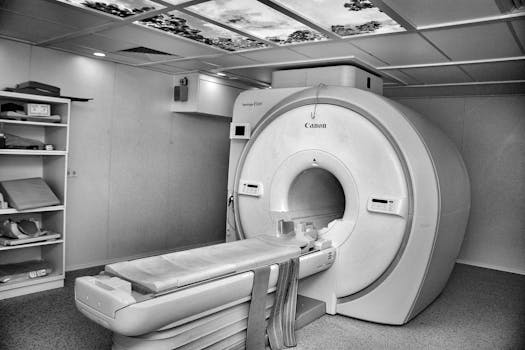 Photo: sirmudi_photography / Pexels
 Photo: mehmetography / Pexels
 Photo: RDNE Stock project / Pexels
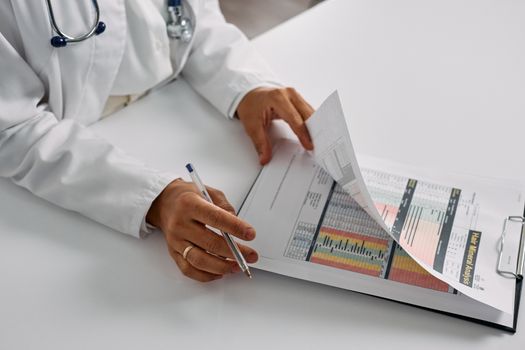 Photo: cottonbro studio / Pexels