Navigating the Cost of MRI Scan Without Insurance

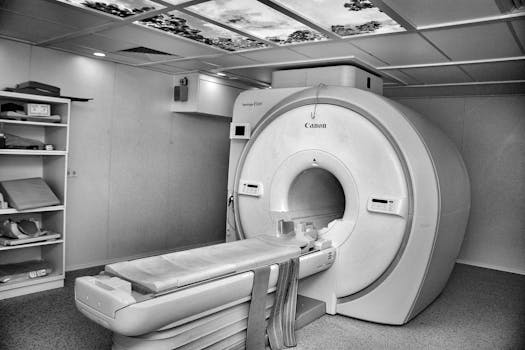
Black and white image of a modern MRI machine in a hospital room with overhead ceiling art.Photo: sirmudi_photography / Pexels

Navigating the Cost of MRI Scan Without Insurance

Unlock strategies to find affordable MRI scans in the US, ensuring quality diagnostics without the burden of high costs.

Find Affordable MRI Now

Key Takeaways

  • ✓ MRI costs without insurance can range from $400 to over $10,000.
  • ✓ Prices vary significantly based on location, facility type, and body part scanned.
  • ✓ Comparing cash prices and utilizing imaging centers can lead to substantial savings.
  • ✓ Financial assistance programs and payment plans are often available for uninsured patients.

How It Works

1
Understand Your MRI Needs

Consult with your doctor to determine the specific type of MRI required. This clarity helps in getting accurate quotes for the right procedure.

2
Research and Compare Prices

Contact multiple imaging centers, hospitals, and freestanding clinics. Ask for their 'cash pay' or 'self-pay' rates for the exact MRI you need.

3
Negotiate and Seek Discounts

Don't hesitate to negotiate the price. Many facilities offer discounts for upfront payment or have programs for uninsured individuals.

4
Consider Payment Plans or Assistance

Inquire about interest-free payment plans directly with the facility. Explore non-profit organizations or state programs that may offer financial aid.

Understanding the Varied Cost of MRI Scans Without Insurance
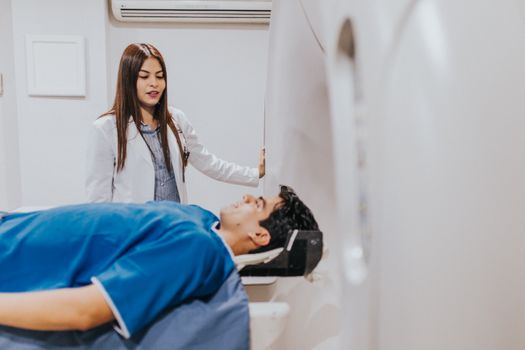
A doctor stands beside a patient in an MRI room, ensuring a smooth examination process.Photo: Charlss GonzHu / Pexels
Magnetic Resonance Imaging (MRI) is a crucial diagnostic tool, offering detailed images of organs, soft tissues, bone, and virtually all other internal body structures. For those without health insurance, understanding the true cost of an MRI scan without insurance can feel like navigating a labyrinth. The price can fluctuate dramatically, influenced by a multitude of factors, making it challenging to pinpoint an exact figure without thorough research. On average, an MRI scan without insurance in the United States can range anywhere from $400 for a basic scan at a standalone imaging center to upwards of $10,000 for a complex study at a major hospital, especially in metropolitan areas or for specialized procedures. This vast discrepancy underscores the importance of being an informed consumer. Several key elements contribute to this wide range in pricing. Firstly, the location plays a significant role. MRI costs tend to be higher in urban centers and regions with a higher cost of living, such as New York or California, compared to rural areas or states with lower healthcare costs. Secondly, the type of facility matters immensely. Large hospital systems often have higher overheads and, consequently, higher prices than independent, freestanding imaging centers. These specialized imaging centers frequently offer more competitive 'cash pay' or 'self-pay' rates, as their business model is often geared towards high-volume, lower-cost services. Thirdly, the specific body part being scanned and the complexity of the procedure directly impact the cost. A brain MRI, for instance, might be more expensive than a knee MRI due to the expertise and scanning time required. Furthermore, whether contrast dye is used (e.g., Gadolinium) will add to the overall expense, as it involves additional materials and medical supervision. The need for sedation, especially for claustrophobic patients or children, also contributes to the final bill. Finally, the radiologist's fee for interpreting the images is typically billed separately from the technical cost of the scan itself, adding another layer to the overall expense. Being aware of these variables is the first step in demystifying the cost of an MRI scan without insurance and finding an affordable option. Patients should not assume that all facilities charge similar rates; proactive inquiry is essential. Understanding medical billing can further empower patients in this process, allowing them to ask targeted questions about what their quote includes.

Strategies for Finding Affordable MRI Options for the Uninsured

A doctor stands beside a patient in an MRI room, ensuring a smooth examination process.Photo: Charlss GonzHu / Pexels
For individuals facing the cost of an MRI scan without insurance, adopting a strategic approach to finding affordable options is paramount. The good news is that significant savings are often achievable with a bit of effort and research. One of the most effective strategies is to directly compare cash prices from multiple providers. Do not rely on the first quote you receive. Begin by contacting various facilities: hospitals, outpatient imaging centers, and even university medical centers. When calling, explicitly state that you are an uninsured patient seeking a 'cash price' or 'self-pay rate.' Many facilities have different pricing structures for insured versus uninsured patients, and the cash price is almost always lower than the inflated rates often billed to insurance companies. It's crucial to be specific about the type of MRI needed (e.g., 'MRI of the lumbar spine without contrast') to ensure you're comparing apples to apples. Another powerful strategy is to prioritize freestanding outpatient imaging centers over hospital-based facilities. As mentioned, these centers typically have lower overheads and are often more willing to offer competitive cash prices. They specialize in diagnostic imaging, making them efficient and often more patient-friendly in terms of scheduling and cost. Online tools and healthcare marketplaces can also be invaluable resources. Websites and apps exist that allow you to compare prices for medical procedures, including MRIs, in your local area. These platforms aggregate pricing data from various providers, giving you a transparent overview of potential costs. Some even facilitate direct booking at discounted rates. Furthermore, consider asking your referring physician if they have recommendations for affordable imaging centers. Physicians often have relationships with facilities that offer good care at reasonable prices and might even be able to advocate on your behalf or provide a referral to a lower-cost option. Negotiation is another key tactic that many uninsured patients overlook. Healthcare prices are often negotiable. Once you have a few quotes, don't be afraid to call back your preferred facility and see if they can match or beat a competitor's price. Explain your financial situation and express your willingness to pay upfront. Many facilities are open to negotiation, especially if it means securing payment for their services. Additionally, inquire about prompt-pay discounts; paying the full amount upfront (if you can) often results in a further reduction in cost. Finally, explore financial assistance programs. Some hospitals and imaging centers have charity care policies or financial aid programs for low-income or uninsured individuals. Non-profit organizations may also offer assistance. These proactive steps can significantly reduce the overall burden of the cost of an MRI scan without insurance, making essential diagnostic imaging accessible.

Navigating Payment Plans, Financial Aid, and Discount Programs

Polish 100 złoty notes with pills and blister packs, illustrating medical costs.Photo: Pixabay / Pexels
Beyond direct negotiation and price comparison, several avenues exist to further alleviate the burden of the cost of an MRI scan without insurance. Understanding and utilizing payment plans, financial aid, and discount programs can make a significant difference in managing these often-unforeseen expenses. Many hospitals and larger imaging centers recognize the financial strain that medical procedures can place on uninsured individuals and are willing to work with patients to establish manageable payment arrangements. When discussing costs, always inquire about interest-free payment plans. These plans allow you to spread the cost of the MRI over several months, making it more digestible than a single lump sum payment. Be sure to clarify the terms, including the duration of the plan, the minimum monthly payment, and whether any interest will be applied. It's crucial to get these agreements in writing to avoid future misunderstandings. Financial assistance programs, often referred to as charity care, are another vital resource. Most non-profit hospitals are legally required to offer some form of financial assistance to eligible low-income patients. Eligibility is typically based on federal poverty guidelines and varies by institution, but it's always worth asking if you qualify. You may need to provide documentation of your income, assets, and household size. These programs can significantly reduce, or even completely cover, the cost of an MRI scan without insurance. Similarly, some state and local government programs, as well as disease-specific foundations, offer grants or aid for diagnostic imaging. For instance, organizations focused on cancer research or neurological disorders might have funds available for patients needing specific types of MRIs. Your physician's office or the facility's billing department can often provide information on available programs. Furthermore, discount medical programs and networks can offer pre-negotiated rates. These are not insurance plans but rather membership-based programs that provide access to a network of providers who have agreed to offer services at a reduced rate. While there's usually a small monthly or annual fee, the savings on an MRI scan can often outweigh this cost, especially for high-cost procedures. Research reputable discount medical programs and confirm that the imaging center you plan to use is part of their network before enrolling. Lastly, for those facing extreme financial hardship, some community health clinics or medical schools may offer reduced-cost or free imaging services as part of their community outreach or training programs. While these options might have longer waiting lists or specific eligibility criteria, they can be a lifeline for those unable to afford even discounted rates. Proactively exploring these options is a critical step in managing the cost of an MRI scan without insurance, ensuring that necessary medical care remains within reach. Understanding patient advocacy can help you navigate these complex systems more effectively.

Common Mistakes to Avoid and Tips for Saving on Your MRI

Doctor in gloves holding pill bottle and cash, highlighting medical expenses.Photo: Towfiqu barbhuiya / Pexels
When facing the cost of an MRI scan without insurance, it’s easy to feel overwhelmed. However, avoiding common pitfalls and implementing smart strategies can lead to significant savings. Here are crucial mistakes to avoid and practical tips to ensure you get the best possible price for your diagnostic imaging: **Common Mistakes to Avoid:** * **Accepting the First Quote:** Never assume the first price you receive is the final or best offer. Always shop around and compare rates from multiple facilities. * **Not Asking for the 'Cash Price':** Simply asking for the price often results in being quoted the higher, standard rate. Explicitly state you are uninsured and need the 'cash pay' or 'self-pay' rate. * **Ignoring Outpatient Centers:** Automatically going to a hospital for an MRI can be a costly mistake. Outpatient imaging centers are almost always more affordable. * **Forgetting About Separate Bills:** Remember that the facility fee, radiologist's fee, and potentially an anesthesiologist's fee (if sedation is used) are often billed separately. Get a comprehensive quote that includes all professional fees. * **Not Negotiating:** Many people are uncomfortable negotiating healthcare costs, but it's a standard practice. Don't leave money on the table by not asking for a discount. * **Delaying the Scan Due to Cost:** While cost is a factor, delaying a necessary diagnostic scan can lead to worsening conditions and potentially higher costs in the long run. Seek solutions rather than postponement. **Tips for Saving on Your MRI:** * **Get a Written Quote:** Always request a written estimate that details all included services (e.g., scan, contrast, radiologist interpretation) to avoid surprises. * **Inquire About All-Inclusive Packages:** Some facilities offer bundled pricing for uninsured patients that covers all associated costs in one transparent fee. * **Travel if Necessary:** If you live in a high-cost urban area, consider if driving to a nearby suburban or rural imaging center could offer substantial savings. The cost of gas and time might be negligible compared to the price difference. * **Check for Open MRI Options:** For some conditions, an 'open MRI' might be sufficient. These can sometimes be less expensive than traditional closed MRIs and are also a good option for claustrophobic patients. * **Utilize Telehealth for Referrals:** If you need a referral for an MRI, a telehealth consultation with a doctor might be a more affordable initial step than an in-person visit, especially if you lack primary care insurance. * **Document Everything:** Keep a record of who you spoke with, when, what was discussed, and the prices quoted. This documentation can be invaluable for negotiation or in case of billing discrepancies. By being proactive and informed, you can significantly reduce the financial impact of an MRI scan without insurance, ensuring you receive the necessary medical care without undue financial stress.

Comparison

FeatureFreestanding Imaging CenterHospital Outpatient Dept.University Medical CenterDiscount Program Network
Average Cash Price (No Insurance)$400 - $2,000$1,500 - $5,000+$2,000 - $10,000+$350 - $1,800
Negotiation PotentialHighModerateLowPre-negotiated
Convenience/SchedulingHighModerateModerateHigh (if in network)
Access to Financial AidLimitedHigh (often non-profit)High (often non-profit)N/A
Technology Latest GenOften GoodExcellentCutting-edgeVaries by facility
Separate Professional Fees✓ (often)✓ (often)✓ (often)✗ (often bundled)

What Our Readers Say

5 ★★★★★

"I needed an MRI of my knee without insurance and was dreading the cost. After calling several places, I found an outpatient center offering a cash price of $650, which was thousands less than hospital quotes. It made a huge difference!"

5 ★★★★★

"My doctor told me I needed a brain MRI. I didn't have insurance, so I researched online and found a discount program. For a small monthly fee, I got my MRI for $800, saving me over $2,000 compared to direct quotes."

5 ★★★★★

"When I needed a lumbar MRI, I negotiated with a local imaging center. They initially quoted $1200, but after I mentioned a competitor's price, they dropped it to $950 for upfront payment. Don't be afraid to ask!"

4 ★★★★☆

"The cost of an MRI scan without insurance for my shoulder was still high, even at an outpatient clinic. However, they offered an interest-free payment plan over six months, which made it manageable for my budget. It wasn't cheap, but it was fair."

5 ★★★★★

"My doctor recommended a specific hospital, but their MRI quote was astronomical without insurance. I found a highly-rated freestanding clinic where the radiologist's fee was included in their cash price, simplifying everything and saving me money."

Frequently Asked Questions

What is the average cost of an MRI scan without insurance in the US?
The average cost of an MRI scan without insurance in the US varies widely, typically ranging from $400 to $10,000 or more. This broad range depends on factors such as the facility type, location, the specific body part being scanned, and whether contrast dye is required. Freestanding imaging centers generally offer lower prices than hospitals.
Can I negotiate the price of an MRI if I don't have insurance?
Yes, absolutely. Healthcare prices, especially for uninsured patients, are often negotiable. Many facilities are willing to offer discounts for upfront cash payments or if you can demonstrate financial hardship. It's always worth asking for the 'cash price' and attempting to negotiate a lower rate.
How can I find the most affordable MRI scan without insurance near me?
To find the most affordable MRI, start by contacting multiple freestanding outpatient imaging centers in your area and explicitly ask for their 'self-pay' or 'cash price.' Use online healthcare marketplaces or price comparison websites. Also, inquire with your referring physician for recommendations on cost-effective facilities.
Are payment plans available for uninsured MRI patients?
Many hospitals and imaging centers offer interest-free payment plans for uninsured patients. These plans allow you to spread the cost of the MRI over several months, making it more financially manageable. Always inquire about these options and clarify the terms before committing.
What's the difference in cost between a hospital MRI and an outpatient MRI for uninsured patients?
Outpatient imaging centers typically offer significantly lower costs for MRIs compared to hospital-based facilities. Hospitals often have higher overheads and administrative costs, which are reflected in their pricing. For uninsured patients, choosing a freestanding outpatient center can result in savings of hundreds to thousands of dollars.
Who should consider paying for an MRI out-of-pocket?
Individuals without health insurance, those with high-deductible plans who haven't met their deductible, or those whose insurance doesn't cover a specific MRI procedure should consider paying out-of-pocket. By comparing cash prices, they can often find rates that are more affordable than using their insurance or paying the full, undiscounted bill.
Is it safe to get an MRI at a lower-cost imaging center?
Yes, generally it is safe. Lower-cost imaging centers are often accredited by organizations like the American College of Radiology (ACR) and employ certified technologists and radiologists. A lower price does not necessarily mean lower quality or safety. Always check for accreditation and professional credentials to ensure a reputable facility.
Will the cost of MRI scans without insurance increase in the future?
While healthcare costs historically tend to rise, increased price transparency and competition among imaging providers may help moderate the increase in cash prices for MRIs. However, factors like new technology and inflation could still lead to higher costs. Proactive research and negotiation will likely remain crucial for uninsured patients.

Don't let the cost of an MRI scan without insurance deter you from getting the diagnostic care you need. Take control of your healthcare expenses by utilizing the strategies outlined here. Start comparing prices, negotiating, and exploring financial aid options today to find an affordable MRI solution that fits your budget and health needs.

Topics: cost of mri scan without insuranceaffordable MRI without insuranceMRI cash pricediscount MRI scanuninsured MRI cost