Comparing Cannabis Strain Information on Labels: Your Guide to Informed Choices
Comparing Cannabis Strain Information on Labels

Comparing Cannabis Strain Information on Labels: Your Guide to Informed Choices

Navigate complex cannabis labels with confidence to find the perfect strain for your medical needs.

Understand Your Labels

Key Takeaways

  • ✓ Cannabis labels are legally mandated to provide key information about the product.
  • ✓ Understanding cannabinoid percentages (THC, CBD, minor cannabinoids) is crucial for therapeutic effects.
  • ✓ Terpene profiles dictate aroma, flavor, and contribute significantly to a strain's overall effects (the 'entourage effect').
  • ✓ Harvest and testing dates indicate freshness and potency, vital for medical efficacy.

How It Works

1
Locate Key Cannabinoids

Identify THC, CBD, and any other listed cannabinoids like CBG or CBN. These percentages are central to predicting the strain's primary effects and potency.

2
Examine Terpene Profiles

Look for the dominant terpenes such as Myrcene, Limonene, or Caryophyllene. These compounds influence aroma, flavor, and synergize with cannabinoids to shape your experience.

3
Check Production and Testing Dates

Verify the harvest and packaging dates to ensure freshness. Review the testing date to confirm the data is recent and accurate, guaranteeing product integrity.

4
Review Safety & Compliance Info

Ensure the label includes state-mandated warnings, batch numbers, and dispensary information. This confirms product legitimacy and provides recourse if issues arise.

Deciphering Cannabinoid Percentages and Ratios on Cannabis Labels
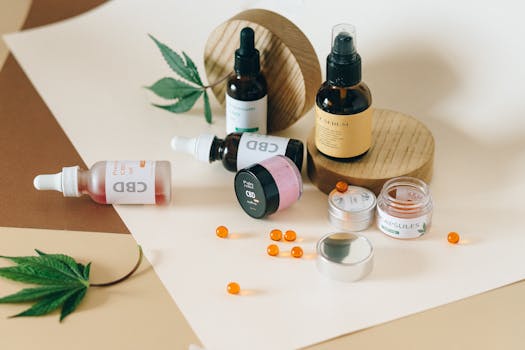
A collection of CBD products including oils and capsules on a neutral background with hemp leaves. Photo: Nataliya Vaitkevich / Pexels
For medical cannabis patients, the numbers on a product label are far more than just data points; they are a roadmap to potential relief and therapeutic outcomes. Understanding cannabinoid percentages, particularly THC and CBD, is paramount. THC (Tetrahydrocannabinol) is the primary psychoactive compound, known for its euphoric effects, but also for its analgesic, anti-inflammatory, and antiemetic properties. CBD (Cannabidiol), on the other hand, is non-psychoactive and celebrated for its anxiolytic, anticonvulsant, and neuroprotective qualities. The percentage listed for each cannabinoid indicates its concentration by weight in the product. For example, a flower with 20% THC means that for every gram of cannabis, there are 200 milligrams of THC. For tinctures or edibles, concentrations might be listed in milligrams per serving or per package. Beyond just THC and CBD, modern cannabis testing often reveals the presence of minor cannabinoids like CBG (Cannabigerol), CBN (Cannabinol), and THCV (Tetrahydrocannabivarin). While present in smaller quantities, these compounds can significantly influence the overall therapeutic profile. CBG, often called the 'mother of all cannabinoids,' shows promise for anti-inflammatory and neuroprotective effects. CBN is known for its sedative properties, making it potentially useful for sleep disorders. THCV might offer appetite suppression and blood sugar regulation. The ratio of THC to CBD is another critical piece of information. A 1:1 ratio, for instance, suggests a balanced experience where CBD can mitigate some of THC's psychoactive intensity, making it suitable for patients seeking therapeutic benefits with less impairment. High-THC strains (e.g., 20:1 THC:CBD) are often chosen for severe pain or nausea, while high-CBD strains (e.g., 1:20 THC:CBD) are preferred for anxiety, inflammation, or seizures, where psychoactivity is undesired. Comparing these ratios across different labels allows patients to fine-tune their selection based on their specific medical condition and desired effects. It’s not just about the absolute numbers, but how these compounds interact to create a unique therapeutic synergy, often referred to as the entourage effect. By meticulously comparing these cannabinoid profiles, patients can make more informed decisions, moving beyond generic strain names to select products tailored to their individual needs and sensitivities. This granular approach to label reading empowers patients to take control of their treatment, leading to more predictable and beneficial outcomes from their cannabis therapy. Always remember that individual responses can vary, and starting with a low dose and gradually increasing is a wise approach, especially when trying a new strain or cannabinoid ratio. Consulting with a medical professional familiar with cannabis is always recommended.

Understanding Terpene Profiles and Their Impact on Cannabis Effects
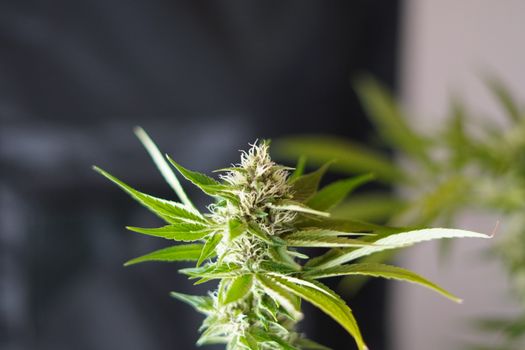
Vivid close-up of a cannabis plant showcasing its lush green leaves and blurred background. Photo: Juan Miguel Restrepo Barrera / Pexels
While cannabinoids like THC and CBD receive considerable attention, the unsung heroes of the cannabis plant are terpenes. These aromatic compounds, found in various plants, are responsible for the distinctive scents and flavors of different cannabis strains, from the earthy notes of Myrcene to the citrusy zest of Limonene. More importantly, terpenes play a crucial role in modulating the overall effects of cannabis, a phenomenon known as the entourage effect. By interacting with cannabinoids and other plant compounds, terpenes can enhance or diminish their therapeutic properties, influencing everything from mood to pain relief. When Comparing Cannabis Strain Information on Labels, pay close attention to the listed terpene profiles. Labels often highlight the dominant terpenes, which typically constitute the highest percentages. For example, a strain high in Myrcene (found in mangoes and hops) is often associated with sedative, muscle-relaxant, and anti-inflammatory effects. Limonene, prevalent in citrus rinds, is frequently linked to mood elevation, stress relief, and antifungal properties. Caryophyllene, found in black pepper and cloves, is unique because it can directly interact with the body's endocannabinoid system, offering anti-inflammatory and analgesic benefits without psychoactivity. Linalool, present in lavender, is known for its calming and anti-anxiety effects, making it a common choice for patients dealing with insomnia or stress. Beyond these, other significant terpenes include Pinene (pine trees), which may promote alertness and memory retention; Terpinolene, often associated with uplifting and stimulating effects; and Humulene (hops, coriander), which has anti-inflammatory and appetite-suppressant properties. The specific combination and concentration of these terpenes create a unique synergistic effect for each strain. Two strains with similar THC percentages might produce vastly different experiences due to their distinct terpene profiles. For medical patients, understanding these profiles allows for a more precise selection process. If a patient is seeking relief from anxiety, they might look for strains high in Limonene and Linalool. For pain management, strains rich in Myrcene and Caryophyllene could be more effective. Dispensaries are increasingly providing detailed terpene breakdowns on their labels, recognizing their importance. This shift empowers patients to move beyond the traditional 'Indica/Sativa/Hybrid' classifications, which are often unreliable predictors of effect, and instead focus on the chemical composition that truly dictates the experience. By actively comparing and noting the terpene concentrations on different labels, patients can begin to identify patterns that correlate with their desired therapeutic outcomes, leading to more consistent and effective treatment plans. This level of detail in label information is invaluable for personalized medical cannabis use.

You may also find MJ420 Delivery useful.

Evaluating Product Freshness, Testing Dates, and Cultivation Information
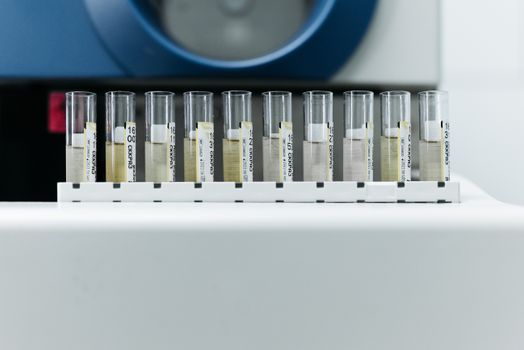
Row of labeled test tubes on a rack in a modern laboratory environment. Photo: Pavel Danilyuk / Pexels
The efficacy and safety of medical cannabis products are profoundly influenced by their freshness, the rigor of their testing, and the transparency of their cultivation practices. When you are Comparing Cannabis Strain Information on Labels, these details are as critical as cannabinoid and terpene data. First, always check the harvest date and packaging date. Cannabis, like any organic product, degrades over time. While properly stored cannabis can maintain potency for a significant period, older products may have reduced cannabinoid and terpene content, leading to a less effective and potentially less flavorful experience. The degradation of THC, for example, can lead to increased CBN, which has different effects. A recent harvest and packaging date ensures you're receiving a product at its peak freshness and potency. Equally important is the testing date. Cannabis products in legal markets are required to undergo comprehensive lab testing for potency, purity, and safety. This includes analysis for cannabinoids and terpenes, but also screening for contaminants such as pesticides, heavy metals, residual solvents (in concentrates), and microbial impurities (mold, bacteria). The testing date indicates when these analyses were performed. An outdated testing date might mean the product's current chemical profile differs from what's stated, or that it has been sitting on shelves for too long without re-evaluation. Reputable dispensaries and brands will provide recent testing dates, usually within a few months of the purchase date, ensuring the information is accurate and reliable. This transparency is crucial for patient safety, especially for those with compromised immune systems or specific sensitivities. Understanding cannabis lab results is an essential skill for any medical patient. Beyond dates, look for cultivation information. While not always as detailed, some labels or accompanying materials will indicate whether the cannabis was grown indoors, outdoors, or in a greenhouse. They might also mention cultivation methods (e.g., organic, hydroponic) or specific growing practices. This information can be valuable for patients who prioritize certain environmental standards or who believe specific cultivation methods yield superior products. For example, organically grown cannabis might be preferred by those looking to avoid synthetic pesticides and fertilizers. Knowing the source and cultivation practices can also provide insight into the potential quality and consistency of the product. By meticulously comparing these aspects across different labels, medical patients can ensure they are not only selecting a strain with the right chemical profile but also one that is fresh, safe, and produced according to their preferred standards, ultimately contributing to a more effective and trustworthy medical experience.

Common Mistakes to Avoid When Comparing Cannabis Strain Labels
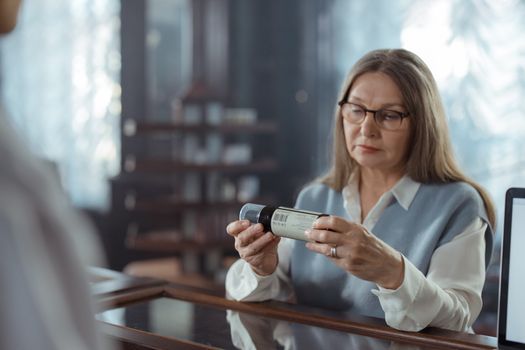
A senior woman with eyeglasses reviews a medicine bottle at a pharmacy counter indoors. Photo: cottonbro studio / Pexels
Navigating the world of cannabis labels can be complex, and several common pitfalls can lead medical patients to make less-than-optimal choices. Avoiding these mistakes is key to effectively Comparing Cannabis Strain Information on Labels for your specific needs. **Mistakes to Avoid:** * **Over-reliance on Indica/Sativa/Hybrid Classifications:** These terms are largely outdated and do not reliably predict effects. A 'Sativa' strain might produce sedative effects, and an 'Indica' might be energizing, depending on its unique cannabinoid and terpene profile. Focus on the chemical makeup, not just the classification. * **Ignoring Minor Cannabinoids and Terpenes:** While THC and CBD are important, dismissing the roles of CBG, CBN, THCV, and the diverse range of terpenes is a significant oversight. These compounds contribute immensely to the entourage effect and can dramatically alter the therapeutic experience. * **Not Checking Dates:** Failing to verify harvest, packaging, and testing dates can result in purchasing stale or less potent products. Always prioritize products with recent dates for optimal freshness and accurate information. * **Assuming All Labels Are Equal:** Regulatory standards vary by state and even by dispensary. Some labels are more comprehensive and transparent than others. Be wary of labels that lack detailed cannabinoid percentages, terpene profiles, or safety testing results. * **Focusing Only on THC Percentage:** A high THC percentage does not automatically equate to a 'better' or more effective product, especially for medical patients. An overly potent strain can lead to discomfort, anxiety, or unwanted side effects. The 'best' strain is the one that provides the desired therapeutic effects with minimal adverse reactions, often achieved through a balanced cannabinoid and terpene profile. * **Neglecting Batch Numbers and QR Codes:** These identifiers are crucial for traceability and verifying lab results. A QR code can often link directly to the full certificate of analysis (COA) from the testing lab, providing a complete breakdown of the product's composition and safety screenings. * **Not Considering Consumption Method:** The effects of cannabis can vary significantly based on how it's consumed. An edible with 10mg of THC will likely feel different and last longer than inhaling 10mg of THC from a flower, even if the strain information is identical. Always factor in your chosen consumption method when interpreting label data. * **Purchasing Without Specific Goals:** Going into a dispensary without a clear idea of what symptoms you want to address or what effects you are seeking makes comparing labels much harder. Define your therapeutic goals first, then use the label information to match products to those goals. This proactive approach ensures you're making an informed, patient-centric decision rather than a random selection.

Comparison

FeatureOptimal Label DetailAcceptable DetailInsufficient Detail
Cannabinoid ProfileTHC, CBD, CBG, CBN, THCV percentagesTHC & CBD percentages onlyOnly total THC/CBD listed
Terpene ProfileTop 3-5 terpenes with percentagesList of dominant terpenes (no percentages)No terpene information
DatesHarvest, package, and test datesPackage and test datesOnly package date
Safety TestingPesticides, heavy metals, microbial, solvents (all passed)General 'Tested for Purity'No mention of safety testing
Batch/QR CodeScannable QR code to COA & batch numberBatch number onlyNeither provided

What Readers Say

"Understanding how to read and compare cannabis strain information on labels has completely transformed my pain management. I can now pinpoint strains that truly work for my chronic migraines, not just guessing."

Sarah J. · Denver, CO

"This guide helped me stop relying on generic strain names. Comparing the terpene and cannabinoid profiles on labels allows me to select products that genuinely aid my anxiety without unwanted sedation."

Mark D. · Portland, OR

"Before, cannabis labels were just confusing numbers. Now, I confidently compare different options for my insomnia, focusing on CBN and specific terpenes. I'm finally getting consistent, restful sleep."

Emily R. · Boston, MA

"While the article is excellent, I wish all dispensaries provided the same level of detail on their labels. Still, knowing what to look for when comparing cannabis strain information has made a huge difference in my medical cannabis journey."

David L. · Los Angeles, CA

"As a medical patient with severe nausea, comparing specific cannabinoid ratios and terpene profiles on labels has been a game-changer. I can now choose strains that effectively combat my symptoms without excessive psychoactivity."

Jessica P. · Phoenix, AZ

Frequently Asked Questions

What is the most important information to look for when Comparing Cannabis Strain Information on Labels?

The most crucial information includes the percentages of major cannabinoids (THC, CBD), the dominant terpene profile, and the harvest, packaging, and testing dates. These elements together provide the clearest picture of a strain's potential effects, freshness, and safety, allowing for informed therapeutic choices.

Are all cannabis labels regulated the same way across the US?

No, cannabis label regulations vary significantly by state, and sometimes even by local jurisdiction. While most states require basic information like THC/CBD content and safety warnings, the level of detail regarding terpene profiles, minor cannabinoids, and cultivation practices can differ greatly. Always check your state's specific requirements.

How do I use a QR code on a cannabis label?

Most modern smartphones have a built-in QR code scanner in their camera app. Simply open your camera, point it at the QR code, and a link should appear on your screen. Tapping this link will typically take you to the product's Certificate of Analysis (COA) on the testing lab's website, providing comprehensive details.

Is it worth paying more for cannabis products with detailed label information?

For medical patients, yes, it is often worth investing in products with comprehensive label information. Greater transparency regarding cannabinoid, terpene, and safety testing allows for more precise dosing and selection, leading to more predictable and effective therapeutic outcomes. It minimizes guesswork and potential adverse reactions.

How do I compare labels if one only lists 'Total THC' and another lists 'THCA' and 'Delta-9 THC'?

Total THC is generally calculated as Delta-9 THC + (THCA * 0.877), as THCA converts to Delta-9 THC when heated (decarboxylation). If a label only lists 'Total THC,' it's giving you the potential maximum psychoactive effect. If it lists both THCA and Delta-9 THC, you can calculate the 'Total THC' yourself or understand that THCA is the acidic, non-psychoactive precursor.

Who should prioritize Comparing Cannabis Strain Information on Labels?

Anyone using cannabis for medical purposes should prioritize comparing label information. This includes patients managing chronic pain, anxiety, sleep disorders, epilepsy, or any condition where specific cannabinoid and terpene profiles can provide targeted relief and improve quality of life. It's essential for personalized treatment.

Are there any safety risks if I don't compare labels carefully?

Yes. Not comparing labels can lead to consuming products with unknown potency, unintended effects (e.g., too much sedation or anxiety), or even contaminants like pesticides or heavy metals if safety testing isn't transparent. Detailed labels empower you to make safer, more informed choices for your health.

What future trends can I expect in cannabis label information?

Future trends are likely to include even more detailed minor cannabinoid and terpene breakdowns, personalized recommendations based on genetic data, QR codes linking to augmented reality experiences, and potentially standardized national labeling regulations for greater consistency and easier comparison across state lines as the industry matures.

Empower yourself with knowledge. By diligently Comparing Cannabis Strain Information on Labels, you gain the confidence to select the perfect medical cannabis product for your unique health needs, ensuring effective and predictable relief. Start reading your labels like a pro today.

Topics: Comparing Cannabis Strain Information on Labelscannabis label understandingmedical cannabis dosageterpene profiles explainedcannabinoid ratios
Leo List

DK Escorts LU Escorts AT Escorts SE Escorts FI Escorts CH Escorts DE Escorts HR Escorts IE Escorts GR Escorts CZ Escorts NO Escorts BE Escorts FR Escorts SI Escorts IL Escorts NL Escorts PL Escorts HU Escorts ES Escorts IT Escorts PT Escorts SK Escorts RO Escorts ZA Escorts UY Escorts US Escorts UK Escorts NZ Escorts AU Escorts
Brampton weed
Adultwork EstrelaBet Vai de Bet R7 Bet Betão Galera Bet Rainbet Bet9ja Shop SportyBet BetKing Sisal Loto Foot Hollywoodbets YesPlay Odibets RushBet Jugabet BetWarrior BetCity MSport betPawa Fortebet