✓ Medical alert systems offer 24/7 access to emergency help at the push of a button.
✓ Modern systems include fall detection, GPS tracking, and caregiver apps.
✓ Costs vary based on features, from basic models to comprehensive packages.
✓ Evaluating lifestyle, health needs, and home environment is crucial for selection.
How It Works
1
Activate the Device
When an emergency occurs, the senior presses the help button on their pendant or wristband. This immediately connects them to a monitoring center.
2
Connect to Monitoring Center
A trained operator from the monitoring center answers the call, typically within seconds. They assess the situation and communicate directly with the senior.
3
Dispatch Help
Based on the assessment, the operator dispatches appropriate help. This could be emergency services (paramedics, police, fire) or a designated family member/friend from the contact list.
4
Ongoing Support
The monitoring center stays on the line until help arrives, ensuring the senior is not alone. Many systems also offer non-emergency check-ins and support.
Understanding the Need: Why Buy a Medical Alert System for Seniors?
Photo: Jsme MILA / Pexels
As our loved ones age, maintaining their independence while ensuring their safety becomes a paramount concern. The decision to buy a medical alert system for seniors is often driven by a desire to bridge this gap, offering a critical layer of protection that can make all the difference in an emergency. These systems, sometimes referred to as Personal Emergency Response Systems (PERS), provide a direct link to professional help 24 hours a day, 7 days a week, with just the press of a button. This peace of mind isn't just for the senior; it extends to family members and caregivers who can rest easier knowing assistance is always within reach.
The statistics underscore the urgency: falls are the leading cause of injury and death among older Americans. One in four Americans aged 65 and older falls each year, and many of these falls result in serious injuries like hip fractures or head trauma. The ability to quickly summon help after a fall can significantly reduce recovery time and prevent complications. Beyond falls, medical alert systems are invaluable for seniors managing chronic health conditions such as heart disease, diabetes, or epilepsy, where a sudden medical event could require immediate intervention. Imagine a scenario where a senior living alone experiences chest pain or a sudden dizzy spell. Without a medical alert system, they might struggle to reach a phone, or worse, be unable to communicate their distress. With a system, help is just a button press away, bypassing these critical delays.
Furthermore, the psychological benefits are immense. Knowing that help is readily available empowers seniors to continue living independently in their own homes, often their strongest desire. This enhanced sense of security reduces anxiety for both the senior and their family. It allows seniors to engage in daily activities with greater confidence, fostering a higher quality of life. For family members who may live far away or have busy schedules, a medical alert system acts as an invaluable extension of their care, providing a safety net when they cannot be physically present. It’s not about replacing personal care, but augmenting it with a reliable, always-on safety solution. When you consider senior care options, a medical alert system should be high on the list for its proven benefits in emergency situations.
Key Features to Look for When Choosing a System
Photo: SHVETS production / Pexels
When you decide to buy a medical alert system for seniors, navigating the myriad of options can be overwhelming. Understanding the key features available is essential to making an informed choice that best suits your loved one's needs and lifestyle. One of the most fundamental features is the 'Help Button' – typically a waterproof pendant worn around the neck or wrist. Ensure this button is easily accessible, comfortable, and durable enough for daily wear, even in the shower, where many falls occur.
Automatic Fall Detection is a game-changer for many seniors, especially those at high risk of falling or with conditions that might prevent them from pressing a button manually. These systems use accelerometers and other sensors to detect sudden changes in movement indicative of a fall, automatically alerting the monitoring center even if the senior cannot. While highly beneficial, it's important to note that no fall detection system is 100% foolproof, and false alarms can occur. Nevertheless, its potential to save lives makes it a highly sought-after feature.
GPS Tracking capabilities are crucial for active seniors or those who spend time outside their home. Mobile medical alert systems with GPS allow operators to locate the user in an emergency, whether they are at the park, grocery store, or on a walk. This feature is particularly vital for seniors with cognitive impairments, such as dementia, who might wander. The ability to pinpoint their location quickly ensures a faster response.
Two-Way Communication through the device itself (either a base unit or a mobile pendant) is another critical feature. This allows the senior to speak directly with the monitoring center operator, explaining their situation without needing to reach a phone. Clear audio quality and a strong microphone are important here, especially for seniors with hearing impairments. Some systems also offer caregiver apps, which allow designated family members to check the senior's location, device battery life, and even receive alerts if an emergency call is made. This transparency and connectivity provide an extra layer of reassurance for families.
Battery life is a practical consideration, especially for mobile units. Look for devices with long-lasting batteries, ideally those that can last for several days on a single charge or have convenient charging docks. Finally, consider the monitoring center itself. A reputable service will be UL-listed (Underwriters Laboratories) or hold similar certifications, indicating high standards of reliability and professionalism. They should have redundant monitoring centers to ensure continuous service even during power outages or natural disasters. The quality and responsiveness of the monitoring team are paramount, as they are the first line of defense in an emergency.
Comparing System Types: In-Home vs. Mobile vs. Hybrid Solutions
Photo: Rollz International / Pexels
When you're ready to buy a medical alert system for seniors, understanding the different types available is crucial for selecting the best fit. Broadly, systems fall into three main categories: in-home, mobile, and hybrid solutions, each designed to cater to varying lifestyles and needs. The traditional **In-Home System** is the most common and often the most affordable. It typically consists of a base unit that connects to a landline or cellular network, and a wearable help button (pendant or wristband). The base unit has a powerful speaker and microphone, allowing the senior to communicate with the monitoring center from anywhere within their home, usually within a range of 800-1500 feet from the base. These systems are ideal for seniors who primarily stay at home and have limited mobility outside. They offer reliable coverage within the residence and are generally straightforward to set up and use. However, their major limitation is that they do not provide protection once the senior leaves the house.
For seniors who maintain an active lifestyle, are prone to wandering, or frequently leave their home, a **Mobile Medical Alert System** is a far superior choice. These compact, portable devices incorporate GPS technology and cellular connectivity, allowing the user to call for help from virtually anywhere there is cellular service. They often resemble a small pager or a discreet pendant. Many mobile units also include automatic fall detection, making them incredibly versatile. While typically more expensive than in-home systems, the freedom and comprehensive protection they offer are invaluable for active seniors or those whose caregivers need to track their location. The trade-off often involves a slightly shorter battery life compared to in-home pendants, requiring more frequent charging.
**Hybrid Solutions** aim to offer the best of both worlds. These systems combine an in-home base unit with a mobile device, providing seamless protection whether the senior is at home or on the go. For example, a senior might use the in-home base unit for reliable coverage within their house, and then take a mobile device with them when they leave. This ensures continuous safety without having to switch between different providers or systems. Some advanced hybrid systems even allow the mobile unit to act as the primary communication device both inside and outside the home, connecting via Wi-Fi indoors and cellular outdoors. This integrated approach offers maximum flexibility and peace of mind, albeit at a potentially higher cost. When weighing these options, consider the senior's daily routine, their health conditions, and their comfort level with technology. For more insights on innovative health tech for seniors, exploring these system types is a crucial first step.
Tips for Choosing and Common Mistakes to Avoid
Photo: SHVETS production / Pexels
When you're looking to buy a medical alert system for seniors, a thoughtful approach can save you time, money, and ensure you get the most effective solution. Here are some essential tips and common mistakes to sidestep:
**Tips for Choosing:**
* **Assess the Senior's Lifestyle:** Is your loved one a homebody, or do they enjoy being out and about? This will directly influence whether an in-home, mobile, or hybrid system is best.
* **Consider Health Needs:** For individuals with a high fall risk, automatic fall detection is a must. For those with cognitive decline, GPS tracking is invaluable. Think about hearing or vision impairments when evaluating device size and audio quality.
* **Read Reviews and Compare Providers:** Don't just pick the first option you see. Look for reputable companies with transparent pricing and positive customer service reviews. Check for certifications like UL listing for monitoring centers.
* **Understand the Contract and Fees:** Be clear about monthly monitoring fees, activation fees, equipment costs, and any long-term contract requirements. Look for cancellation policies and money-back guarantees.
* **Test the System:** Once installed, perform test calls to ensure the system is working correctly and that the senior is comfortable using it. Practice pressing the button and speaking with the operator.
* **Check Coverage:** For cellular and mobile GPS systems, verify that there is adequate cellular coverage in the areas the senior frequents.
**Common Mistakes to Avoid:**
* **Underestimating the Need:** Waiting until an emergency occurs is a mistake. Proactive installation provides peace of mind before a crisis hits.
* **Choosing Based Solely on Price:** While budget is a factor, prioritizing the cheapest option over essential features or reliable service can be a costly mistake in the long run.
* **Ignoring User Comfort:** If the pendant is uncomfortable or too bulky, the senior might not wear it, rendering the system useless. Involve them in the selection process.
* **Forgetting About Waterproofing:** Many falls happen in bathrooms. Ensure the wearable device is fully waterproof and can be worn in the shower.
* **Not Setting Up a Comprehensive Contact List:** The monitoring center needs a clear list of who to call (family, friends, neighbors) in what order, in addition to emergency services.
* **Assuming All Fall Detection is Equal:** Research the accuracy rates and potential for false alarms with different fall detection technologies.
* **Skipping the Fine Print:** Always read the terms and conditions carefully, especially regarding warranties, upgrades, and service interruptions.
Comparison
Feature
In-Home Basic
Mobile w/ GPS
Hybrid Advanced
Coverage Area
Home only (base unit range)
Anywhere with cell service
Home (base) & Anywhere (mobile)
Fall Detection
Optional add-on
Often included
Often included
GPS Tracking
✗
✓
✓
Wearable Type
Pendant/Wristband
Pendant/Small Device
Pendant/Wristband & Mobile Unit
Battery Life (Wearable)
Months to years
1-5 days (rechargeable)
Months (in-home), 1-5 days (mobile)
Typical Monthly Cost
$20-$35
$35-$55
$45-$70
Ideal User
Home-bound, limited mobility
Active, independent, wander risk
Active & home-bound, maximum coverage
Installation
Self-install, plug & play
Self-install, charge & go
Self-install, charge & go
What Readers Say
★★★★★
"Deciding to buy a medical alert system for my mother was the best decision. She had a fall last month, and the automatic fall detection immediately alerted the monitoring center. They called me and dispatched paramedics, all within minutes. It truly saved her from lying there for hours."
Evelyn R. · Phoenix, AZ
★★★★★
"My father loves his mobile medical alert system. He's very active and enjoys his daily walks, and knowing he can get help anywhere gives us all immense peace of mind. The battery life is great, and he finds it easy to wear. It was a straightforward process to buy a medical alert system for him."
David L. · Orlando, FL
★★★★★
"After a scary incident where my aunt couldn't reach her phone, we decided to buy a medical alert system for her. The prompt response from the monitoring team during a test call was impressive. She feels much safer now, and we've noticed a positive change in her confidence."
Susan P. · Denver, CO
★★★★★
"The in-home system we purchased is very reliable, and the range covers their entire house and yard. My only minor gripe is that the base unit could have a slightly louder speaker, but my parents with some hearing loss can still hear it well enough to communicate. Overall, a solid choice for their needs."
Mark T. · Boston, MA
★★★★★
"My husband has early-stage dementia, and the GPS tracking on his mobile unit has been a lifesaver. We've had to use it once when he wandered further than usual, and the operators were incredibly helpful in guiding us to his location. It’s comforting to know we can always find him."
Patricia K. · San Diego, CA
Frequently Asked Questions
How much does it cost to buy a medical alert system for seniors?
The cost of a medical alert system varies significantly based on features. Basic in-home systems can start from $20-$30 per month, while mobile systems with GPS and fall detection typically range from $35-$60 per month. Some providers also have one-time equipment fees or activation charges, so it's important to clarify all costs upfront.
Will a medical alert system work if I don't have a landline?
Yes, absolutely! Many modern medical alert systems operate entirely on cellular networks, eliminating the need for a traditional landline. When you buy a medical alert system for seniors, you can choose cellular-based in-home units or mobile devices that use their own built-in cellular connection.
How do I test my medical alert system once it's installed?
Most providers recommend performing a test call shortly after installation and then periodically (e.g., monthly). To test, simply press the help button as you would in an emergency. When the operator answers, inform them you are conducting a test. They will confirm the signal and communication, ensuring your system is functioning correctly.
Are medical alert systems covered by Medicare or private insurance?
Generally, traditional Medicare (Parts A and B) does not cover the cost of medical alert systems. However, some Medicare Advantage (Part C) plans may offer partial or full coverage as an additional benefit. It's best to check with your specific Medicare Advantage plan or private insurance provider directly to understand any potential coverage.
What's the difference between a medical alert system and a smartphone app?
While some smartphone apps offer emergency contact features, a dedicated medical alert system provides a more robust and reliable solution. Medical alert systems are designed for simplicity and immediate connection to professional monitoring centers, often with features like automatic fall detection and waterproof wearables, which typical smartphone apps lack. They are purpose-built for emergencies, often with longer battery life and direct voice communication.
Who should buy a medical alert system for seniors?
A medical alert system is ideal for seniors who live alone, have a history of falls, manage chronic health conditions, are recovering from surgery, or simply want greater independence and peace of mind. It's also highly beneficial for family members who want to ensure their loved one's safety when they can't be physically present.
What if I accidentally press the button?
Accidental presses are common and not a problem. If you accidentally press your help button, simply tell the monitoring center operator that it was an accidental alarm when they respond. They will verify your safety and then close the call without dispatching emergency services. This ensures you're never hesitant to press the button when you genuinely need help.
Are there any future trends in medical alert systems?
The future of medical alert systems is moving towards even greater integration with smart home technology, advanced biometric monitoring (like heart rate or sleep patterns), and proactive health insights. We can expect more sophisticated AI-driven fall detection, expanded caregiver communication tools, and even more discreet, stylish wearables that blend seamlessly into daily life.
Empower your loved ones with safety and independence. Take the next step to buy a medical alert system for seniors that perfectly matches their needs and lifestyle. Invest in peace of mind today.

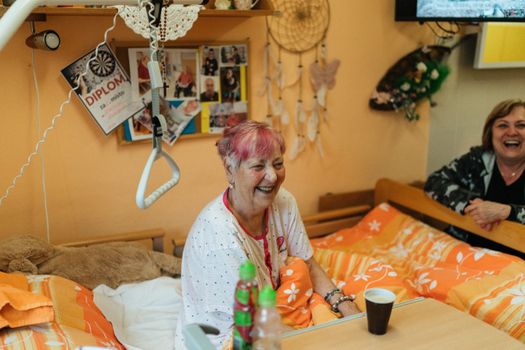 Photo: Jsme MILA / Pexels
 Photo: SHVETS production / Pexels
 Photo: Rollz International / Pexels
 Photo: SHVETS production / Pexels