✓ Cancer is the second leading cause of death globally, necessitating advanced treatment.
✓ The USA boasts some of the world's most innovative cancer research and treatment centers.
✓ Specialized cancer hospitals offer multidisciplinary teams and access to clinical trials.
✓ Factors like treatment approach, facility reputation, and patient outcomes are crucial for selection.
How It Works
1
Initial Diagnosis & Research
Upon diagnosis, gather all medical records and begin researching hospitals known for your specific cancer type. Leverage resources like the NCI and U.S. News & World Report.
2
Consultation & Second Opinion
Schedule consultations with specialists at your top-choice hospitals. Don't hesitate to seek a second opinion to ensure the proposed treatment plan aligns with your needs and expectations.
3
Evaluate Comprehensive Care
Look beyond just treatment success rates. Consider the availability of supportive care, clinical trials, patient support services, and the overall patient experience.
4
Financial & Logistical Planning
Understand the financial implications and logistical challenges (travel, accommodation) of treatment at your chosen facility. Discuss insurance coverage and financial assistance options.
Understanding Specialized Cancer Care Facilities
Photo: Andre / Pexels
When facing a cancer diagnosis, the choice of where to receive treatment is paramount. It’s not merely about finding a hospital; it’s about identifying a specialized cancer care facility that offers a comprehensive, multidisciplinary approach tailored to your specific condition. These institutions, often referred to as cancer centers or institutes, stand apart from general hospitals due to their exclusive focus on oncology. They house dedicated teams of oncologists, surgeons, radiation oncologists, pathologists, radiologists, and supportive care specialists who collaborate to devise individualized treatment plans. This collaborative model ensures that every aspect of a patient's care, from diagnosis to survivorship, is meticulously considered.
One of the primary benefits of specialized cancer centers is their access to cutting-edge research and clinical trials. Many of the best hospitals for cancer treatment in USA are also academic medical centers, deeply involved in pioneering new therapies and diagnostic tools. This means patients often have access to treatments that are not yet widely available, offering hope for those with complex or rare cancers. These centers are equipped with state-of-the-art technology for diagnostics, such as advanced imaging (PET/CT, MRI), molecular profiling, and genetic testing, which are crucial for precise cancer staging and personalized treatment strategies. Furthermore, their surgical departments are often at the forefront of minimally invasive techniques and complex resections, contributing to better outcomes and faster recovery times.
Beyond medical treatment, these centers excel in providing a holistic approach to patient care. They understand that a cancer diagnosis impacts every facet of a patient's life. Therefore, they integrate supportive services such as pain management, nutritional counseling, psychological support, social work, and rehabilitation. This comprehensive network of care addresses not only the physical manifestations of the disease but also the emotional, social, and spiritual well-being of the patient and their family. The environment itself is often designed to be healing and patient-centric, with dedicated oncology units, comfortable waiting areas, and resources for patient education. Choosing a specialized cancer facility means choosing a place where every resource is focused on fighting cancer and supporting the patient's journey to recovery and beyond. Learn more about cancer treatment options.
Key Factors for Evaluating Top Cancer Centers America
Photo: Tara Winstead / Pexels
Selecting the right cancer center involves a thorough evaluation of several critical factors beyond just a hospital's reputation. While accolades and rankings provide a good starting point, a deeper dive into their operational specifics is essential. Firstly, consider the center's specialization and expertise in your specific type of cancer. Some hospitals excel in treating breast cancer, others in lung, prostate, or rare cancers. A center with a high volume of patients for your particular cancer type often indicates greater experience and better outcomes. Research their departmental expertise, the number of successful cases, and the specific accreditations they hold from organizations like the National Cancer Institute (NCI) – NCI-designated comprehensive cancer centers are recognized for their scientific excellence and significant contributions to cancer research.
Secondly, assess the availability and integration of multidisciplinary care teams. The best cancer centers bring together a diverse group of specialists (medical oncologists, radiation oncologists, surgical oncologists, pathologists, genetic counselors, palliative care specialists, etc.) who collaborate on each patient's case. This team approach ensures that all angles of your diagnosis and treatment are considered, leading to a more robust and personalized treatment plan. Inquire about how these teams communicate and coordinate care, and if you will have a dedicated care navigator to guide you through the process.
Thirdly, investigate their clinical trial programs and research initiatives. Access to clinical trials can be life-changing, especially for advanced or rare cancers. Leading cancer centers are often at the forefront of medical research, offering access to novel therapies and experimental treatments. Understanding their involvement in clinical trials, and whether you might be eligible for any, is a significant consideration. Furthermore, look into their patient outcomes and survival rates, although it's important to interpret these statistics carefully, as they can be influenced by patient demographics and cancer stages.
Lastly, consider the supportive care services available. Comprehensive cancer care extends beyond medical treatment to include services like genetic counseling, nutritional support, psychological counseling, pain management, rehabilitation, and survivorship programs. These services are vital for managing side effects, improving quality of life, and supporting long-term recovery. A holistic approach to care can significantly impact a patient’s journey. Location, insurance coverage, and the overall patient experience, including communication with staff and access to information, also play crucial roles in making an informed decision. These factors collectively contribute to identifying the optimal environment for your cancer treatment.
Navigating Treatment Options and Personalized Care
Photo: Thirdman / Pexels
The landscape of cancer treatment is constantly evolving, with new therapies and personalized approaches emerging at a rapid pace. When you are seeking the best hospitals for cancer treatment in USA, it's crucial to understand the breadth of treatment options available and how a leading institution can tailor these to your unique needs. Modern cancer care has moved significantly beyond the traditional 'one-size-fits-all' approach, embracing precision medicine, which involves using genetic and molecular information about a patient's tumor to guide treatment decisions. This can include targeted therapies that specifically attack cancer cells with certain genetic mutations, or immunotherapies that harness the body's own immune system to fight cancer.
Top cancer centers are equipped to perform advanced diagnostic tests, such as comprehensive genomic profiling, which analyzes a tumor's DNA to identify specific mutations that can be targeted by particular drugs. This level of detail allows oncologists to select treatments that are most likely to be effective while minimizing side effects. Beyond drug therapies, these hospitals also offer state-of-the-art radiation oncology, including proton therapy, stereotactic body radiation therapy (SBRT), and intensity-modulated radiation therapy (IMRT), which deliver highly precise radiation doses to tumors while sparing surrounding healthy tissue. Surgical oncology departments in these centers often specialize in complex, minimally invasive procedures, including robotic surgery, which can lead to faster recovery times and reduced post-operative complications.
Personalized care extends beyond the choice of treatment modality to encompass the entire patient experience. This includes individualized nutritional plans to combat treatment-related side effects, physical therapy to aid in recovery and maintain strength, and robust psychological support services to address the emotional toll of cancer. Many leading centers also offer patient navigators or care coordinators who serve as a single point of contact, helping patients and their families navigate the often-complex healthcare system, schedule appointments, and understand treatment plans. They act as advocates, ensuring that patients receive timely care and have all their questions answered. This holistic, patient-centric approach ensures that every aspect of the patient's well-being is addressed, leading to better outcomes and a higher quality of life throughout and after treatment. Discover advanced medical technologies.
Essential Tips for Choosing the Right Oncology Hospitals US
Photo: RDNE Stock project / Pexels
Choosing an oncology hospital in the US requires careful consideration and a proactive approach. Here are some essential tips to guide your decision-making process:
* **Get a Second Opinion:** Always seek a second opinion, especially for complex or rare cancers. Leading cancer centers often encourage this and can provide valuable alternative perspectives on diagnosis and treatment plans.
* **Verify NCI Designation:** Prioritize hospitals that are National Cancer Institute (NCI)-designated cancer centers, particularly 'Comprehensive Cancer Centers.' These institutions meet rigorous standards for research, education, and patient care.
* **Consider Subspecialization:** Look for centers that have specific expertise in your type of cancer. For example, a hospital renowned for lung cancer might not be the best choice for a rare pediatric cancer, and vice-versa. Subspecialization often correlates with higher patient volumes and more experienced teams.
* **Evaluate Clinical Trial Access:** Inquire about current clinical trials that might be relevant to your diagnosis. Access to innovative, experimental treatments can be a significant advantage, especially for cancers that are resistant to standard therapies.
* **Assess Supportive Services:** Beyond medical treatment, evaluate the availability of comprehensive supportive care. This includes palliative care, pain management, nutritional counseling, psychological support, social work, and survivorship programs. These services are crucial for overall well-being.
* **Understand Insurance Coverage:** Before committing, verify your insurance coverage with the hospital's financial counseling department. Understand out-of-pocket costs, deductibles, and any potential financial assistance programs available.
* **Read Patient Reviews and Testimonials:** While not the sole factor, patient experiences can offer insights into the hospital's culture, communication, and overall quality of care. Look for patterns in feedback regarding staff responsiveness and patient satisfaction.
* **Consider Logistics:** Factor in the practical aspects like travel distance, accommodation options for family members, and the ease of navigating the hospital campus. Long-term treatment can make these logistical details very important.
* **Ask About Patient-to-Staff Ratios:** A lower patient-to-nurse or patient-to-doctor ratio can indicate more personalized attention and better care coordination.
* **Trust Your Gut:** Ultimately, the best hospital is one where you feel comfortable, respected, and confident in your care team. Don't underestimate the importance of your personal comfort level.
By diligently researching and applying these tips, you can make an informed decision and find the best cancer care facility to meet your needs.
Comparison
Feature
NCI-Designated Comprehensive Cancer Center
Large Academic Medical Center (without NCI designation)
Community Hospital with Oncology Unit
Research & Clinical Trials
Extensive, cutting-edge
Moderate, some trials
Limited, standard treatments
Subspecialty Expertise
Highly specialized, deep expertise
Good, broader specialties
General oncology focus
Multidisciplinary Teams
Integrated, highly collaborative
Available, less integrated
Often individual specialists
Access to Advanced Technology
✓
✓
✗
Supportive Care Services
Comprehensive, holistic
Good, some services
Basic support services
Patient Volume (Complex Cases)
High
Moderate
Lower
Cost (Out-of-pocket)
Potentially higher, but often better outcomes
Varies
Often lower initial cost
What Our Readers Say
5★★★★★
"Dana-Farber provided exceptional care for my rare lymphoma. The team was incredibly knowledgeable, and I had access to a clinical trial that saved my life. Truly one of the best hospitals for cancer treatment in USA."
Sarah J.Boston, MA
5★★★★★
"MD Anderson Cancer Center exceeded all expectations for my prostate cancer treatment. The personalized plan and integrated support services made a huge difference during a challenging time."
Michael R.Houston, TX
5★★★★★
"Sloan Kettering's surgical team was phenomenal. They performed a complex tumor removal with incredible precision, and my recovery was much faster than anticipated. The care coordination was flawless."
Emily C.New York, NY
4★★★★☆
"While City of Hope offered excellent care for my colon cancer, the initial wait times for appointments were a bit long. Once I was in, the quality of treatment and the compassion of the staff were outstanding."
David L.Los Angeles, CA
5★★★★★
"My mother's experience at Penn Medicine's Abramson Cancer Center for pancreatic cancer was incredibly supportive. They focused not just on treatment but also on her quality of life, which was invaluable."
Jessica P.Philadelphia, PA
Frequently Asked Questions
What makes a hospital one of the best for cancer treatment in USA?
The best hospitals for cancer treatment in the USA are typically NCI-designated comprehensive cancer centers. They offer multidisciplinary teams, cutting-edge research and clinical trials, highly specialized expertise for specific cancer types, advanced technology, and extensive supportive care services, all contributing to superior patient outcomes and holistic care.
Is it worth traveling for cancer treatment to a specialized center?
For complex, rare, or aggressive cancers, traveling to a specialized cancer center often provides access to expertise, technologies, and clinical trials unavailable locally. While challenging, the potential for better outcomes and more advanced treatment options frequently outweighs the logistical difficulties, making it a worthwhile consideration for many patients.
How do I choose between multiple top-ranked cancer hospitals?
To choose between top-ranked hospitals, consider their specific expertise in your cancer type, the availability of relevant clinical trials, the integration of supportive care, and your personal comfort level with the care team. Obtaining second opinions from each can also help you compare treatment philosophies and approaches, aiding in your final decision.
What are the costs associated with treatment at a top cancer center?
Costs at top cancer centers can be significant, but they vary widely based on insurance coverage, treatment type, and duration. Most centers have financial counselors to help navigate insurance, discuss payment plans, and identify financial assistance programs. It's crucial to understand your out-of-pocket expenses upfront.
How do NCI-designated centers compare to other hospitals for cancer care?
NCI-designated centers, especially 'Comprehensive Cancer Centers,' are recognized for their scientific excellence and significant contributions to cancer research. They often lead in developing new therapies and offer a broader range of specialized services, clinical trials, and multidisciplinary care compared to non-NCI designated hospitals or community hospitals, which may offer more general oncology care.
Who should seek treatment at the best hospitals for cancer treatment in USA?
Anyone facing a cancer diagnosis, especially those with rare cancers, aggressive forms, or if standard treatments have been unsuccessful, should consider seeking treatment at the best hospitals. Patients seeking access to clinical trials, cutting-edge therapies, and comprehensive, multidisciplinary care will also benefit significantly from these specialized institutions.
Are there risks associated with highly specialized cancer treatments?
While highly specialized treatments offer significant benefits, they can also carry unique risks and side effects. For example, certain targeted therapies or immunotherapies can have specific adverse reactions, and complex surgeries have inherent risks. Top centers are adept at managing these, but open communication with your care team about potential risks and benefits is essential.
What is the future outlook for cancer treatment in the USA?
The future of cancer treatment in the USA is highly promising, with ongoing advancements in precision medicine, immunotherapy, gene editing (CRISPR), and AI-driven diagnostics. We can expect increasingly personalized treatments, earlier detection methods, and improved outcomes, driven by the continuous research and innovation at leading cancer centers.
Choosing the right facility for cancer treatment is one of the most critical decisions you'll make. By focusing on specialized expertise, comprehensive care, and patient-centered approaches, you can find the best hospitals for cancer treatment in USA that offer the highest chance for recovery and a better quality of life. Empower yourself with knowledge and make an informed choice for your health.

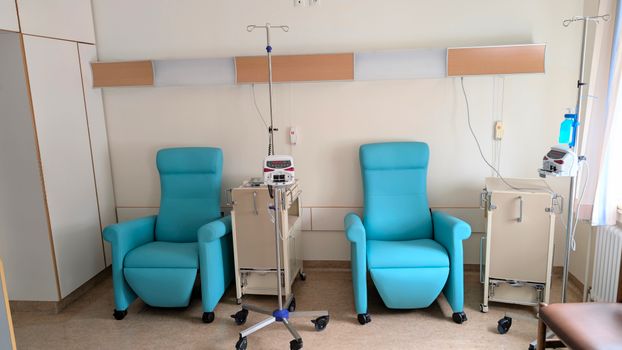 Photo: Andre / Pexels
 Photo: Tara Winstead / Pexels
 Photo: Thirdman / Pexels
 Photo: RDNE Stock project / Pexels